
Why Your Invisalign Trays Are Turning Yellow Even With Regular Cleaning
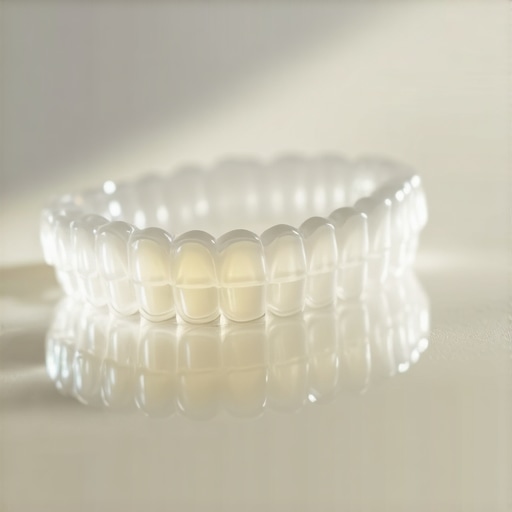
I remember the moment clearly—after months of diligently cleaning my Invisalign trays, I caught a glimpse of myself in the mirror and froze. Instead of the clear, almost invisible look I loved, my trays had a stubborn yellow tint. It was a lightbulb moment that made me question everything I thought I knew about oral hygiene and aligner care. If you’ve faced the same frustration, you’re not alone—and today, I promise to unravel why this happens and how you can keep your trays crystal clear.
Understanding the Hidden Culprits Behind Yellowing Invisalign Trays
Many people assume that regular brushing and rinsing are enough to maintain their aligners. However, the reality is a bit more nuanced. Invisalign trays are made of special plastic designed to be discreet, but they are also porous at a microscopic level. This means they can absorb stains, odors, and even bacteria if not cared for correctly. What caught me off guard early on was a simple mistake—using overly abrasive toothpaste or hot water, both of which can damage the plastic and set the stage for discoloration. This mistake is surprisingly common among those new to aligner care, and it can lead to those unsightly yellow stains despite efforts to keep everything clean.
Master the Cleaning Routine for Your Invisalign Trays
Use Gentle, Non-Abrasive Cleaners
My first attempt at cleaning my trays involved using regular toothpaste—big mistake. It was gritty and caused tiny scratches that trapped more stains. Instead, I switched to a mild soap or specially designed aligner cleansers, which cleaned effectively without harming the plastic. To visualize this, imagine washing delicate glass with a soft cloth—gentle yet thorough. Regular brushing with harsh toothpaste can damage your trays and lead to discoloration, similar to how abrasive scrubbers damage dishes. For a step-by-step, check out innovations in Invisalign care.
Deep Clean with Proper Techniques
Soak in a Vinegar Solution Weekly
To tackle stubborn stains, I started soaking my trays in a mixture of equal parts white vinegar and water for about 15 minutes once a week. This method breaks down mineral deposits and removes film buildup. Think of it like giving your trays a spa treatment—revitalizing the plastic. After soaking, rinse thoroughly with cold water. Be cautious with vinegar, as overly strong solutions can affect the material over time. This gentle, natural method effectively keeps trays clear and fresh, preventing unsightly yellowing. For more insights, visit how Invisalign is transforming family dentistry.
Maintain Consistent Cleaning Habits
Incorporate Daily Rinsing and Brushing
Every morning and night, I rinse my aligners with cold water immediately after removing them to wash away saliva and minor debris. Then, I brush them gently with a soft toothbrush dedicated solely to the trays, using mild soap. Think of it as flossing your teeth—small daily habits prevent larger issues. Avoid hot water, which can warp the plastic, leading to fit issues and discoloration. When I stopped neglecting this routine, my trays stayed clear much longer. For detailed tips on maintaining your aligners, see debunking Invisalign myths.
Avoid Habits That Cause Stains
Be Mindful of Food and Drink
I realized that drinking coffee, tea, or red wine with my aligners in would stain them overnight—much like how these drinks stain teeth and crowns. Using a straw helps minimize direct contact, similar to how a straw keeps soda from staining a white shirt. After indulging, I would rinse my trays immediately to prevent stains from setting. Also, avoid smoking or using colored mouthwashes that can discolor the plastic. For tips on maintaining a healthy and white smile overall, explore top oral health tips.
Schedule Regular Dental Check-Ups
Consult Your Family Dentist for Professional Advice
Finally, I learned that routine visits to my family dentist ensure my trays and teeth stay healthy. They can professionally clean and inspect your aligners for any damage or discoloration. Think of these visits as your maintenance tune-ups—preventing small issues from becoming bigger problems. For the latest in family dentistry trends, visit family dentistry trends.
Many people assume they know everything about maintaining oral health, especially when it comes to family dentistry, Invisalign, and crowns. However, beneath the surface lie subtle nuances and widespread myths that can undermine your efforts and even cause harm. For example, a common misconception is that frequent use of whitening products won’t damage restorations like crowns. In reality, some whitening agents, especially those containing peroxide, can weaken porcelain and composite materials, leading to discoloration or structural damage. Dentists often warn against overusing such products without professional guidance.
Is Your At-Home Care Sabotaging Your Smile’s Integrity?
Another trap pertains to DIY remedies. Many believe that natural solutions like baking soda or charcoal are safe for cleaning whitened teeth or restorations. While mild abrasives can be effective, excessive use can erode enamel and compromise the bond of crowns or veneers, increasing long-term risks. A study published in the Journal of Dentistry highlights how over-the-counter abrasives can cause surface roughness, trapping plaque and bacteria, ultimately accelerating decay or gum recession. This is why consulting your family dentist before trying new treatments is crucial.
Why Do Crowns and Inlays Sometimes Feel Sensitive Even Months Later?
Advanced patients often ask about persistent sensitivity. Many assume this indicates a failed restoration, but sometimes it’s due to minor nerve irritation or microleakage—issues that can be resolved with professional adjustment rather than complete replacement. Ignoring these signs or attributing them to normal wear can lead to more severe complications, including pulpal infections or the need for root canals. Regular check-ups help catch these issues early; learn more about why crowns might feel uncomfortable over time. ‘ alt=’Close-up of dental crown examination’ title=’Dentist examining a dental crown’/> Perhaps most importantly, many overlook the importance of personalized care tailored to their unique dental history. Treatments like Invisalign are touted as a one-size-fits-all solution but require customization to avoid pitfalls like uneven tooth movement or misfit attachments. The misconception that Invisalign is purely cosmetic neglects its profound impact on oral health—correct alignment reduces wear, prevents jaw pain, and improves periodontal health. Dive into the latest innovations in Invisalign to understand how personalized adjustments make all the difference.
Understanding these nuances helps you make informed decisions rather than falling prey to myths. Before embarking on new oral health routines, consult with your family dentist—long-term benefits depend on it. Have you ever fallen into this trap? Let me know in the comments.
Maintaining your dental health over time isn’t just about daily habits—it’s about using the right tools and methods that stand the test of time. Personally, I rely on a combination of high-quality equipment and digital technology to ensure my family’s smiles stay healthy and confident.
How do I maintain my dental tools and routines for lasting results?
First, investing in a reliable ultrasonic toothbrush like the Philips Sonicare DiamondClean Smart has transformed my oral hygiene regimen. Its integrated app tracks brushing habits, provides personalized feedback, and ensures I’m covering all areas effectively. Coupled with a water flosser such as the Waterpik Aquarius, I’ve significantly reduced plaque buildup, especially around crowns and bridges. These tools are scientifically proven to enhance cleaning efficacy and prevent long-term issues like gum recession or decay.
For maintaining crowns, inlays, and other restorations, I schedule regular professional check-ups. My dentist uses intraoral cameras and advanced imaging to detect microleakage or early signs of decay underneath restorations, which aren’t visible to the naked eye. Incorporating routine professional cleanings with ultrasonic scalers helps remove tartar that can’t be eliminated through home care alone.
Future trends suggest increasing integration of AI diagnostics and smart dental devices that alert you to early problems, even before symptoms appear. This proactive approach is vital as we move toward personalized, precision dental care.
To stay ahead, I highly recommend trying the latest in home dental monitoring—tools like the Grush smart toothbrush, which connects to an app that analyzes your brushing technique and provides tailored feedback. It’s a great way to ensure consistent, long-term results. Remember, your oral health is an ongoing journey—embrace these innovative tools today and enjoy a brighter, healthier smile tomorrow.
Interested in more advanced tips? Visit family dentistry trends to explore emerging technologies shaping the future of oral care. Ready to upgrade your routine? Schedule a professional dental check-up here and take the first step towards long-lasting oral health.
