
The Connection Between Grinding Your Teeth and Those Constant Morning Headaches

I’ll never forget the morning I woke up, my head pounding, feeling like a tiny drummer was practicing inside my skull. It was the kind of headache that made me dread the alarm ringing. As I stumbled out of bed, I realized my jaw felt tense and sore, a familiar tightness I had brushed off for months. That moment was a lightbulb flickering on—could my nighttime habits be the culprit behind those relentless morning headaches?
The Hidden Link Between Teeth Grinding and Morning Headaches
Discovering the connection between teeth grinding (bruxism) and morning headaches changed everything for me. For years, I suffered through these painful mornings, dismissing them as stress or dehydration. But the underlying cause was my subconscious clenching and grinding during sleep, which put unnecessary stress on my jaw muscles and nerves. Research shows that bruxism can be responsible for chronic headaches, neck pain, and even ear discomfort—yet many people overlook these signs (American Academy of Sleep Medicine, 2022). Understanding this link was the first step toward relief.
Have You Faced This Problem Too?
If you wake up with a sore jaw, a dull headache, or tension in your face, you’re not alone. Many don’t realize that their nightly grind is the root cause. I want to share how I identified my issue—and the simple yet effective solutions that brought me back to mornings free of pain. If this sounds familiar, keep reading. We’re about to unravel the steps to break free from morning headaches tied to teeth grinding, and how to protect your smile in the process.
Assessing Your Dental Needs Thoroughly
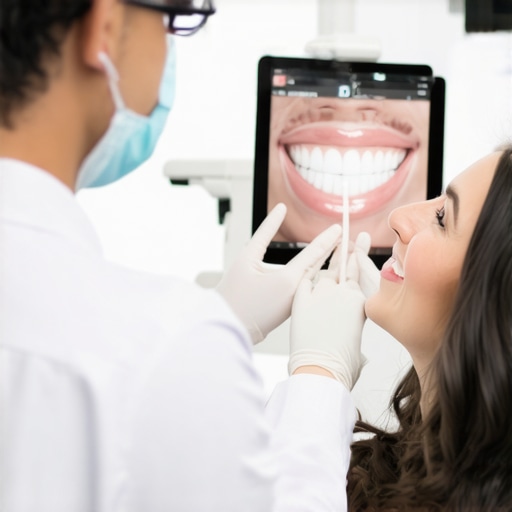
Begin by scheduling a comprehensive dental examination to identify issues like tooth decay, damage, or alignment problems. During my recent visit, the dentist used digital scans to analyze my teeth precisely, which helped determine if crowns or aligners suited my needs. This step ensures you avoid unnecessary treatments and focus on what benefits your oral health most.
Identify Specific Problems
Pinpoint whether you need a crown to strengthen a cracked tooth or Invisalign to straighten misaligned teeth. For example, my molar had a large filling that was compromised, making a crown the best choice. Understanding your unique issues guides your treatment plan effectively.
Choosing the Right Restorative or Orthodontic Solution
Research options such as dental crowns, veneers, or Invisalign aligners. Crowns serve as durable caps protecting damaged teeth, acting like a sturdy helmet for your tooth, while Invisalign gently guides teeth into proper position—like a clear, flexible guide for your smile. I read detailed comparisons on crowns versus veneers to understand which option fits best.
Consult with Your Dentist for Personalized Advice
Schedule a consultation through this contact page to discuss your findings and preferences. My dentist explained that for my cracked tooth, a crown would restore strength and prevent future damage, while Invisalign would address spacing issues seamlessly. Personalized advice ensures your treatment suits your lifestyle and oral health goals.
Preparing for Treatment Implementation
Before the procedure, follow pre-treatment instructions such as avoiding hard foods or certain medications. For instance, I was advised to avoid chewing on the damaged side and to maintain oral hygiene rigorously. Proper preparation minimizes risks and sets the stage for successful outcomes.
Understand Material Choices
Learn about crown materials like porcelain or metal, each with benefits and limitations. I opted for porcelain crowns for their natural appearance, akin to a perfectly painted ceramic piece. Discussing these options with your dentist, potentially referencing this article, helps tailor the choice to your aesthetic and functional needs.
Executing the Treatment with Precision
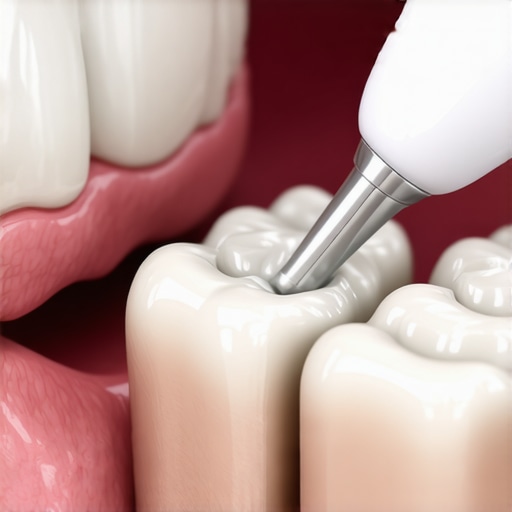
During procedures such as crown placement, ensure your dentist follows best practices: accurate tooth preparation, proper impression-taking, and secure fitting. I witnessed the technician meticulously adjust my crown, making sure it felt natural and comfortable—like fitting the last piece of a puzzle perfectly. Clear communication during this phase guarantees optimal results.
Post-Treatment Care
After the procedure, adhere to aftercare instructions: avoid hard foods initially, maintain excellent oral hygiene, and schedule follow-ups. I also learned that using fluoride toothpaste enhances the longevity of crowns and aligners, which I found easy to integrate into my daily routine.
Maintaining Long-Term Success
Regular dental visits and diligent at-home care extend the lifespan of crowns and Invisalign. Incorporate daily flossing, brushing, and possibly rinsing with antimicrobial solutions. Watching my smile improve over months confirmed that consistent maintenance is the key to lasting benefits.
For more insights on family-oriented dental solutions and effective oral health routines, explore this resource or consult with your local family dentist, reachable via this contact form.
 Many people believe they understand dental restorations and family dental care, but in reality, widespread myths and misconceptions can lead to suboptimal results and even long-term damage. One prevalent mistake is thinking that all crowns are the same, which isn’t true. Some assume that a porcelain crown is just for aesthetic purposes, but its true benefit lies in restoring tooth strength and preventing further decay—something many overlook when choosing between crown materials. To make the right decision, consult detailed resources such as the comprehensive crown guide.
A common myth about Invisalign is that it cures orthodontic issues instantly, much like braces. However, Invisalign’s effectiveness depends heavily on proper patient selection and compliance with wearing trays consistently. Advanced cases, such as significant misalignment, require more nuanced treatment plans, and expecting quick fixes can lead to disappointment. For a realistic understanding, it’s helpful to review Invisalign versus braces comparisons.
In family dentistry, many believe that regular brushing and flossing alone are enough for maintaining optimal oral health. While crucial, this overlooks the importance of routine dental check-ups and personalized care plans. Modern techniques in family dentistry include treatments that prevent issues before they develop, such as sealants or fluoride therapies, which are often underutilized. To stay ahead of potential problems, explore family dentistry secrets.
One advanced mistake that even informed patients make is ignoring the nuances of material compatibility with their lifestyle or medical conditions. For example, some believe that metal crowns are outdated, but in certain cases, they offer superior durability and are more cost-effective. Similarly, misjudging the importance of initial consultation can result in choosing solutions that don’t align with long-term goals. An in-depth discussion with your dentist, found at choosing the right crown expert, can reveal tailored strategies.
Have you ever fallen into this trap? Let me know in the comments. Getting your facts straight and understanding the true nuances can save you time, money, and most importantly, your oral health. Remember, knowledge is power—especially in dentistry where misconceptions can lead to irreversible changes outside your control.Maintaining your dental restorations and orthodontic devices like crowns and Invisalign requires precision, the right tools, and a proactive mindset. I personally swear by using ultrasonic toothbrushes equipped with soft brush heads; these gently but effectively remove plaque around crowns and aligners, preventing decay and discoloration. An example is the Sonicare ProtectiveClean series, which I prefer because of its adjustability and gentle cleaning modality. Regular use of a water flosser, such as the Waterpik Water Flosser, is another game-changer—I’ve integrated it into my routine to reach tricky spots around crowns and under orthodontic appliances, helping to prevent gum disease and prolong device lifespan.
How do I maintain my crowns and Invisalign over time?
Beyond daily routines, scheduling professional check-ups at least twice a year ensures that restorations and aligners remain in optimal condition. During these visits, I recommend requesting digital scans and inspections to catch micro-cracks or wear early, preventing costly repairs. Using adjunct therapies like fluoride varnishes during visits can strengthen enamel and shield vulnerable areas. As technology advances, I believe future innovations will incorporate AI-driven monitoring services that alert you to potential issues between dental visits, making maintenance even smarter.
Incorporating these tools and practices isn’t just about oral health—it’s about safeguarding your investment in your smile. I encourage you to try the ultrasonic toothbrush and water flosser combo; experience firsthand how they can simplify maintenance and extend the life of your dental work. Remember, consistent, proactive care is your best defense against long-term complications and costly replacements. Want personalized recommendations tailored to your unique dental setup? Reach out to a trusted family dentist through this contact page for expert advice tailored to your needs.

The Hardest Lessons I Learned About crowns,invisalign,oral health,family dentistry
- My biggest mistake was believing that a quick fix was enough—trusting outdated myths about crowns and Invisalign can lead to prolonged issues; personalized, updated advice from your dentist is crucial.
- Overestimating the durability of over-the-counter solutions made me ignore professional guidance, resulting in avoidable repairs—long-term success comes from expert insights and tailored care.
- I underestimated how vital consistent maintenance is—daily tools like ultrasonic toothbrushes and water flossers truly extend the lifespan of restorations and aligners, saving money and discomfort down the line.
- Realizing that oral health impacts entire family well-being was a game-changer—educating loved ones and adopting proactive routines enhances everyone’s quality of life and prevents future problems.
- The most valuable lesson was understanding that investing in proper treatment and routine check-ups is an act of self-care that pays dividends in confidence, comfort, and health—don’t cut corners on your smile.
Tools That Make a Difference in Your Dental Journey
- My trusted source for in-depth knowledge is the comprehensive ultimate crown guide, helping me choose materials that balance aesthetics and strength.
- Reputable brands like Sonicare for ultrasonic brushing and Waterpik for water flossing have revolutionized my routine—these tools deliver professional results at home, safeguarding my restorations and orthodontic devices.
- Books such as Family Dentistry Secrets broaden my understanding of modern techniques, empowering me to advocate effectively for my family’s oral health.
- Professional advice from my dentist, accessible via this contact page, ensures I stay updated on innovations that could benefit my smile and those I care for.
Keep Your Smile Bright and Strong—You’re Worth It
Embracing continuous improvement in oral health isn’t just about aesthetics; it’s a journey toward greater confidence and well-being. Every step you take, from selecting the right restorations to maintaining consistent routines, brings you closer to a lifetime of vibrant smiles. Remember, your smile is your best accessory—cherish it, nurture it, and never hesitate to seek expert guidance when needed. Starting today, make informed choices and invest in your long-term dental happiness. Your future self will thank you!
What have been your biggest lessons or surprises in managing crowns, Invisalign, or family dental care? Share your stories below—I’d love to hear about your journey!