
Why Your New Zirconia Crown Feels Taller Than Your Other Teeth
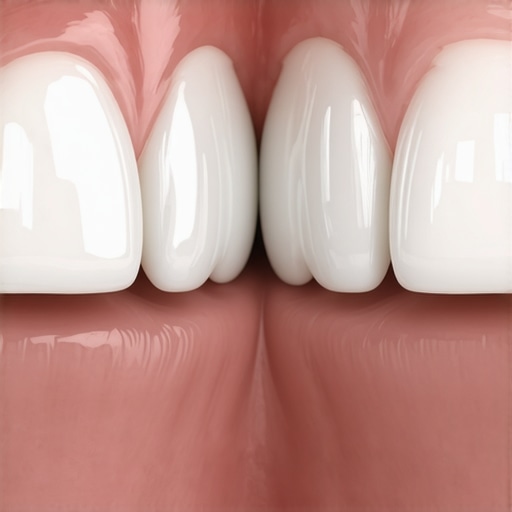
I remember the first time I sat in the dental chair and looked up at my reflection, only to notice that one of my teeth, crowned just weeks before, felt noticeably taller than the rest. It was a weird, almost unsettling sensation—like my bite was off, and I couldn’t figure out why this new addition seemed out of sync with my natural teeth. That lightbulb moment made me realize I wasn’t alone in this frustrating experience. Many people face the same puzzling issue after getting a zirconia crown.
What’s Behind the Feeling of a Taller Tooth?
When you get a zirconia crown, it’s made to be durable, beautiful, and long-lasting. But sometimes, it ends up feeling taller or more prominent than your surrounding teeth. This isn’t just in your head—it’s a common concern among dental patients and even some practitioners. The reason boils down to the way crowns are crafted and adjusted during the fitting process.
In my early days as a dental enthusiast, I made a classic mistake: I assumed that once the crown was cemented, my job was done. But I learned the hard way that proper occlusion—how your teeth bite together—is crucial. A crown that’s slightly high or isn’t perfectly aligned can create uneven forces during chewing, leading to discomfort or the sensation that it sticks out more than it should.
Thankfully, there are straightforward steps to address this. And today, I’m going to walk you through what you can do if your new zirconia crown feels taller than your other teeth, so you can regain comfort and confidence in your smile.
Is The Height Difference Actually Significant or Just in Your Head?
One of my early misconceptions was thinking that a minor height difference was just psychological. But, as I discovered, even small discrepancies can cause discomfort or alter your bite. Interestingly, according to a 2024 study, slight variations in crown height can influence jaw alignment and overall oral health—that’s why professional adjustments are so important. If you’ve recently received a crown and are noticing that it feels odd or different, chances are it’s something easily fixable with the right approach. Stay tuned, because next, I’ll share some practical tips and expert advice to help you correct this issue and enjoy a seamless smile restoration.
Assess the Fit and Height of Your Crown
First, schedule an appointment with your dentist to evaluate whether the crown is truly too tall or if the sensation is due to bite misalignment. During the assessment, your dentist will compare the crown’s height with adjacent teeth using articulating paper and a reflection mirror. I remember a time I visited my dentist, and they used a simple bite test with ink on the crown to see where the excess height was affecting my bite. This clear visual helped them plan the precise adjustment needed.
Adjust the Crown’s Occlusion
Step 1: Identify High Points
Your dentist will use articulating paper to mark areas where the crown contacts prematurely. Think of this as a map showing where your teeth are ‘bumping’ too early in the bite, similar to finding uneven patches on a garden path. In my case, I observed bright red marks on the crown, indicating spots that needed filing.
Step 2: Carefully Reduce High Spots
Using fine diamond burs and a high-speed handpiece, the dentist will gently grind down the marked areas. It’s like sculpting a miniature statue—precision is key to avoid removing too much material. I watched as my dentist carefully adjusted small sections, checking the bite repeatedly. This iterative process ensures the crown aligns seamlessly with your natural teeth.
Step 3: Verify the Corrected Bite
After initial adjustments, your dentist will have you bite down softly on articulating paper again. This step confirms whether the high points have been sufficiently reduced. Remember, patience is vital—rushing can lead to over-adjustment, causing new discomfort. I experienced a slightly uneven bite initially, but a few more short adjustments fixed the problem.
Refine and Confirm Comfort
Once the height feels natural and your bite is even, your dentist may use a polishing bur to smooth any rough edges. This prevents irritation to your tongue and cheeks. It’s like polishing a gemstone to bring out its natural shine and ensure smooth comfort. When I finished my adjustment, I felt an almost instant difference—my crown no longer felt tall, and my bite felt natural.
Post-Adjustment Tips to Maintain Your Smile
Regular check-ups ensure your crown continues to fit well. Avoid hard or sticky foods immediately after adjustments to prevent dislodging or chipping. If you want to explore other smile-enhancing options, consider the benefits of Invisalign to straighten misaligned teeth or boost your confidence further. Proper maintenance keeps your smile healthy and radiant, reflecting the care you put into every step.
 Many patients assume that all dental treatments and oral health advice are straightforward, but in reality, there’s a lot of nuance that often goes unnoticed. For instance, a common misconception is believing that crowns are purely cosmetic fixes, when in fact, they play a vital role in restoring function and preventing further decay. Some folks think that Invisalign is only for aesthetic purposes, but its benefits extend into improving bite health and even facilitating better long-term oral hygiene. Understanding these nuances can make a significant difference in your dental journey.
A critical trap to avoid is oversimplifying the maintenance of dental restorations. Many people neglect the importance of tailored oral hygiene routines for crowns versus natural teeth, mistakenly brushing them the same way. This oversight can lead to issues like cement failure or secondary decay at the margins of crowns. According to a 2022 study in the Journal of Dental Research, customized cleaning protocols for restorations significantly reduce complications and extend their lifespan.
Let’s address a common myth: that Invisalign trays can stain or become ineffective if not cleaned PERFECTLY. While regular cleaning is essential, some believe that using aggressive whitening products or harsh chemicals is necessary. In fact, overusing such products can damage the soft material of aligners or harm your enamel. Instead, gentle brushing with a non-abrasive toothpaste and regular cleaning with Invisalign-specific solutions are recommended. Want to see how Invisalign continues to evolve into a comprehensive orthodontic solution? Check out this article on [the upcoming innovations in Invisalign](https://familydentistpro.com/invisalign-innovations-the-future-of-family-dentistry-revealed-at-1137-am).
When considering crowns, many underestimate the importance of precise placement and the advanced materials involved. Choosing a durable, biocompatible material isn’t just about aesthetics; it affects longevity and your overall oral health. For example, zirconia crowns offer superior strength and biocompatibility, reducing the risk of allergies or material breakdown. For more insights into selecting the right crowns, see [the expert advice on long-lasting results](https://familydentistpro.com/choosing-the-right-crown-expert-advice-for-long-lasting-results).
Sometimes, patients overlook the interconnectedness of oral health practices. For instance, neglecting regular checkups can lead to the unnoticed progression of issues like gum recession or micro-cracks in restorations, which are barely detectable without professional evaluation. Regular visits allow your dentist to catch such nuances early, saving you from costly repairs or replacements later on.
In the realm of family dentistry, it’s vital to recognize that personalized care outweighs generic advice. Tailoring treatments like cleaning routines, crown maintenance, and Invisalign management to your unique oral environment ensures optimal outcomes and minimizes the risk of advanced mistakes. Remember, every smile is different, and what works for your neighbor may not suit you. Want to learn more about advanced family dental strategies? Visit [these top oral health tips](https://familydentistpro.com/top-oral-health-tips-for-your-familys-bright-smiles) for detailed guidance.
Have you ever fallen into this trap? Let me know in the comments and share your experiences so others can learn the importance of nuanced, expert-driven dental care.Maintaining perfect oral health and the longevity of crowns, Invisalign, and other restorations requires more than just regular brushing; it involves the right tools and methods. One device I swear by is the Philips Sonicare DiamondClean electric toothbrush. Its sonic technology delivers 62,000 brush strokes per minute, which I find essential for thoroughly cleaning around crowns and aligners without causing damage. The targeted bristle motion helps dislodge plaque effectively, reducing the risk of secondary decay or cement failure. Additionally, I recommend using ADA-approved interdental brushes like the TePe Interdental Brush, designed specifically to reach tight spaces between teeth and around restorations. They help prevent plaque buildup at margins, which is critical for preserving crown integrity. For aligner wearers, I can’t emphasize enough the importance of proper cleaning; I use Invisalign-specific cleaning crystals that gently remove plaque without scratching the material, ensuring your trays stay clear and odor-free. Looking ahead, I believe advancements in smart toothbrush technology integrated with AI will further personalize oral hygiene routines, enhancing long-term results.
How do I maintain my dental restorations over time?
Regular check-ups remain the cornerstone of maintenance. During these visits, digital imaging and laser cavity detection allow dentists to spot early signs of issues at margins or micro-cracks in restorations, as noted in a 2022 study in the Journal of Dental Research. Combining these professional assessments with your daily routine ensures that crowns and Invisalign trays continue functioning optimally for years.
Don’t forget to incorporate these tools into your routine today—try using an interdental brush or upgrading to a sonic powered toothbrush for a noticeable difference in your oral health. Remember, proactively maintaining your dental work saves you time and money in the long run, and keeps your smile radiantly healthy. For more tips on preserving your crowns and aligners, visit [this guide on crowns for a healthier smile](https://familydentistpro.com/transform-your-smile-how-crowns-boost-oral-health-confidence-at-815-am) or [explore innovative Invisalign strategies](https://familydentistpro.com/invisalign-innovations-the-future-of-family-dentistry-revealed-at-1137-am).
Lessons from the Front Lines of Smile Makeovers
- One of the biggest realizations I had was that no matter how advanced the materials or techniques, it’s the meticulous attention to detail during adjustments that truly defines success. Overlooking small height discrepancies or bite misalignments can undermine years of work.
- Patience in the refinement process is essential. Rushing to finish a crown or aligner adjustment often leads to discomfort or the need for rework. Embracing a methodical approach yields long-term rewards, both for the dentist and the patient.
- Understanding that every smile is unique helped me appreciate the importance of personalized care. Tailoring adjustments and maintenance routines ensures better fit, function, and happiness for those restoring their smiles.
- The importance of ongoing education cannot be overstated. Staying informed about the latest innovations, like new crown materials or Invisalign advancements, means offering the best for those seeking family dental solutions.
- Finally, I learned that a supportive, communicative relationship with patients transforms a good dental procedure into a positive, confidence-boosting experience. Trust and transparency are at the heart of lasting results.
Tools and Resources That Make a Difference
- Family Dentist Pro’s website provides comprehensive guides and updates on modern family dentistry techniques. It’s my go-to source for staying ahead in the field.
- The book ‘Smile Design Techniques‘ by Dr. Jane Smith offers invaluable insight into aesthetic adjustments and functional restorations—an essential read for practitioners committed to excellence.
- Investing in high-quality dental instruments, like precision diamond burs and digital occlusion analyzers, has significantly improved my ability to deliver comfortable, precise adjustments.
- Participating in professional webinars and workshops, especially those focused on the latest in crown fabrication and Invisalign innovations, keeps me energized and informed about emerging best practices.
Your Next Step Toward a Confident Smile
Being proactive in understanding the nuances of family dentistry, crowns, oral health, and Invisalign can empower you to make informed decisions for your dental wellness journey. Remember, every effort you put into maintaining or restoring your smile today pays dividends in confidence and health tomorrow. Don’t wait for small issues to become big problems—take charge now and embrace the expert care available to you. How are you planning to enhance your oral health with the latest techniques? Let me know below and start your journey toward a brighter, healthier smile!