
How to Tell if Your Gums are Receding from Brushing Too Hard
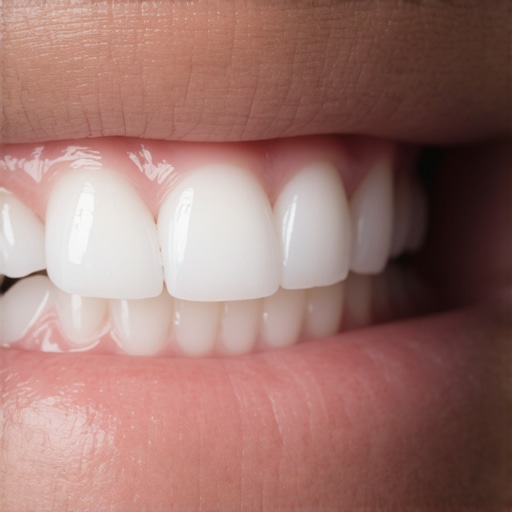
I remember the exact moment I realized I might be brushing too hard. It was a dull ache in my gums after a routine morning brush, and I felt a slight sensitivity whenever I had iced coffee. At first, I brushed it off as normal, but soon, the discomfort grew, and I noticed my gums looking a bit lower—not quite how they used to be. It was a lightbulb moment for me, realizing that even something as routine as brushing could be causing more harm than good.
Why Your Brushing Habit Could Be Undermining Your Smile
Many people think that scrubbing their teeth vigorously is the best way to keep their mouth clean. However, overbrushing or brushing with too much pressure can actually damage your gums and lead to recession. When gums recede, they pull back from the teeth, exposing the roots and increasing sensitivity. This not only affects your appearance but also makes your teeth more vulnerable to decay and other issues. Understanding how to tell if you’re receding from brushing too hard is crucial in maintaining oral health.
Is Overbrushing Really That Dangerous?
Absolutely. In fact, aggressive brushing can wear down the delicate tissue that keeps your teeth and gums healthy. I learned this early on and made a mistake by using a stiff-bristled toothbrush and brushing with a vengeance. That careless approach exacerbated my problem instead of preventing it. If you’re worried about your brushing technique, you’re not alone. Many underestimate the damage caused by brushing too hard, but recognizing the signs early can save you from complicated gum issues later. For more insights on preventing damage to your gums, check out how gentle techniques make a difference in [family dentistry trends](https://familydentistpro.com/family-dentistry-trends-improving-oral-health-for-all-ages).
Have you experienced gum discomfort or noticed your gums looking lower than usual? If so, don’t ignore these signs. The next step is learning how to identify if aggressive brushing is the culprit and what you can do to protect your smile. Let’s explore how to spot those early warning signs and maintain a gentle, effective routine.
Adjust Your Brushing Technique for Safety
Start by switching to a soft-bristled toothbrush and using gentle, circular motions. I once caught myself scrubbing vigorously and noticed increased gum sensitivity afterward. To correct this, I held my brush with light pressure, much like guiding a paintbrush delicately across canvas; this approach prevented further gum recession and improved my overall comfort. Remember, aggressive brushing isn’t a badge of cleanliness—it can be destructive. For more insights, see how gentle techniques boost oral health in family dentistry secrets.
Select the Right Tools for Your Smile
Choosing a toothbrush with the right size and bristle softness is crucial. Think of your toothbrush as a gentle gardener tending to delicate flowers: the right tools prevent damage while nurturing growth. If your current brush feels too harsh or is causing discomfort, consider upgrading to a model designed for sensitive gums. Regular replacement of your brush, about every three months, ensures maximum effectiveness and hygiene. This small change can make a significant difference in preventing gum recession and maintaining a healthy smile. To explore advanced options, check out Invisalign innovations.
Incorporate Gentle Flossing Practices
Flossing isn’t just about removing debris; doing it correctly protects your gums. Use a gentle back-and-forth motion rather than snapping the floss tightly between your teeth. I once tried to increase my flossing speed, but it led to bleeding and discomfort. After learning to floss slowly and carefully, I noticed my gums healed faster and no longer bled. Think of flossing as a delicate thread—tugging too hard can fray or damage tissue. For strategies on effective flossing, see tips in oral health tips.
Schedule Regular Dental Checkups
Visiting your dentist periodically is like bringing your car in for routine maintenance—key to catching issues early. During checkups, your dentist can identify signs of gum recession or starting problems before they worsen. Personal experience taught me that skipping appointments often leads to more invasive procedures later. Nowadays, I schedule visits every six months and communicate any discomfort as soon as it arises. This proactive approach keeps my oral health on track and saves me discomfort in the long run. Want to see how cutting-edge family dentistry can help? Explore crown technology for better health.
Limit Excessive Force During Daily Care
Imagine your gums as soft soil—compacting or scraping it with force hampers growth. I learned this lesson when I experienced sensitivity after trying to ‘super clean’ my teeth. Transitioning to a lighter touch, guided by mindful awareness, made a noticeable difference. Use the pad of your finger to gauge pressure while brushing; if your gums bleed or hurt, reduce force immediately. This simple step prevents further recession and keeps your gums healthy and resilient. For insights on maintaining oral health with the latest tech, see modern trends in family dentistry.
Many people assume that Invisalign is just another clear aligner system like countless others, but in reality, it involves advanced technology and meticulous planning to achieve precise results. A common misconception is that Invisalign is only suitable for minor corrections; however, with recent innovations, even complex cases can benefit from this discreet treatment option. It’s critical to understand that success hinges on proper case selection and patient compliance, which many overlook. For example, a study published in the Journal of Orthodontics highlights that patient adherence to wearing aligners as prescribed directly influences the trajectory of treatment outcomes. Therefore, trusting Invisalign blindly without expert guidance may lead to subpar results.
When it comes to family dentistry, some believe that routine cleanings and checkups are all that’s needed for lifelong oral health. But the truth is, modern family dentistry emphasizes tailored preventive strategies, including personalized advice on nutrition and specialized care for different age groups. This holistic approach can significantly reduce the risk of cavities, gum disease, and premature tooth loss. I’ve seen firsthand how integrating technology, such as digital X-rays and intraoral cameras, enhances early detection and patient engagement. To stay ahead, you need to recognize that a one-size-fits-all routine is a myth in comprehensive oral health care.
The realm of crowns is often misunderstood as a simple cosmetic fix. In fact, modern crowns do more than just improve appearance—they play a crucial role in restoring tooth functionality and preventing further damage. For instance, zirconia crowns offer a high strength-to-weight ratio and excellent biocompatibility, which make them ideal for both aesthetic and functional purposes. However, an advanced mistake many make is choosing the wrong type of crown for their specific situation, leading to issues like sensitivity, breakage, or color mismatch. Visiting a specialist for guidance can help you select the best option, as outlined in the article on crowns for a healthier smile.[1]
Are you aware that advanced technology in dentistry isn’t just about gadgets but about improving outcomes and longevity? For example, digital impressions and 3D printing are transforming crown fabrication, making treatments faster and more accurate. This innovation also minimizes patient discomfort from traditional impression materials. A typical trap is assuming that familiarity with basic procedures equates to understanding these nuanced advancements, which could compromise your treatment plans.
Navigating these misconceptions requires a discerning eye and an understanding that modern dentistry is continually evolving. Remember, choosing the right treatment, expert guidance, and staying informed about innovations can dramatically impact your oral health journey. Have you ever fallen into this trap? Let me know in the comments.Maintaining your oral health requires more than just good habits; it involves using the right tools and methods that stand the test of time. One of my personal favorites is the **Philips Sonicare DiamondClean** electric toothbrush. Its sonic technology delivers up to 62,000 brush movements per minute, effectively removing plaque without excessive force—crucial for preventing gum recession. I prefer it over manual brushes because it consistently cleans my teeth evenly and is gentle on sensitive gums, especially during Invisalign treatment, where precision maintenance is key. Additionally, I rely on the **Waterpik Aquarius Water Flosser** because traditional flossing can sometimes be inadequate, especially around crowded teeth or those with crowns. The pulsating stream dislodges debris thoroughly—I’ve found it to be gentle yet effective, reducing bleeding and inflammation over time. For scheduling and keeping track of appointments, I use the **Colgate Connect** app that syncs with my oral devices, providing reminders and personalized tips to enhance my routine. As dental technology advances, integrating smart tools like these ensures consistent results and prevents minor issues from escalating. Looking ahead, I predict that AI-powered oral health monitoring devices will become mainstream, offering real-time feedback and remote consultations, further simplifying long-term care.
How do I maintain my dental tools and routines over time?
Regularly replacing toothbrush heads every three months and descaling water flosser tips prolong their effectiveness. Cleaning your tools after each use helps prevent bacterial buildup. I also update my app settings quarterly to incorporate new recommendations from my dentist, ensuring my maintenance routine evolves with latest research. For more insights on preserving your dental investments, explore how crowns enhance long-term oral health. Remember, investing in quality tools paired with consistent habits is the foundation for a resilient smile. Make this small change today by switching to a sonic toothbrush with built-in timers—your future self will thank you.
What I Wish I Knew About Listening to My Gums
One of the most profound lessons I learned was the importance of paying attention to subtle signs like gum sensitivity and slight recession. Ignoring these led to bigger issues down the line, teaching me that early detection and gentle habits are crucial. Being attuned to my body’s signals helped me progress faster with treatments like Invisalign and maintain healthier gums overall.
How Small Changes Saved My Smile in the Long Run
Adjusting my brushing technique to use softer tools and gentler motions made a world of difference. These tiny shifts prevented further recession and kept my teeth stable, demonstrating that big results often come from simple habits. Investing in the right tools and routines turned what could have been a lifelong problem into manageable care.
The Power of Combining Modern Tech with Personal Care
Using advanced devices like sonic toothbrushes and water flossers, alongside regular professional checkups, created a resilient foundation for my oral health. I discovered that technology, when paired with mindful practices, empowers me to take control of my smile and avoid unnecessary procedures. Staying informed about innovations in family dentistry keeps me motivated to protect my investment in health and confidence.
My Secret Weapon for Confidence
Choosing quality crowns with high-tech materials and trusting expert guidance transformed my restorative experience. Recognizing that every detail matters—like crown color match and proper fit—boosted my confidence and ensured long-lasting results. Investing in the right expertise and tools turns dental care from a chore into a proactive lifestyle choice.
Why Embracing Gentle Practices Changed My Outlook
Shifting from aggressive to gentle oral care not only prevented further recession but also improved my comfort. It’s a reminder that caring for your gums and teeth requires patience, respect, and the right techniques. When I prioritized gentle brushing and flossing, my smile became healthier and brighter over time, proving that kindness in routine care yields powerful results.