
Why Your Crown Feels Like It Has a High Spot Only When You Grind

Have you ever caught yourself running your tongue along your teeth after a long day, only to feel an unusual ridge or a high spot on your dental crown? I remember the moment clearly—my own smile suddenly felt off, and it drove me nuts. Turns out, that odd sensation was more common than I realized, and understanding why it happens can save you from unnecessary worry or costly trips to the dentist.
Why Do Some Crowns Feel High When You Grind?
Unmasking the Why Behind the High Spot
When I first experienced that high feeling on my crown, I thought I had a new cavity or that my crown was shifting. But it was often something much simpler: grinding—also known as bruxism—can wear down or alter the shape of your teeth and restorations over time. Surprisingly, grinding causes your teeth and crowns to enter into a lot of mechanical conflicts, leading to that sensation of a high spot during evening or nighttime grinding sessions. This isn’t just a minor annoyance; it can impact your bite, cause jaw pain, and even chip your restoration if left unchecked.
Moreover, if your dentist didn’t perfectly match the crown’s height initially or if your bite adjusts over time—perhaps due to natural shifts or wear—it can result in that feeling of a high spot only when you grind. It’s like wearing shoes that look fine but start to pinch after a few miles. That’s why it’s essential to understand that the problem isn’t always with the crown itself but often with your habits and how your bite adapts.
Early on, I made the mistake of ignoring the grinding or blaming the crown without consulting my dentist. I didn’t realize that bruxism could be a contributing factor, and that small adjustments could bring relief. Studies show that wearing a nightguard and addressing grinding habits can significantly improve comfort and protect the longevity of restorations. If you’ve faced this issue, don’t ignore it—your smile depends on it.
In the next sections, I’ll walk you through practical steps to identify if your grinding is the culprit, how to address it effectively, and when to seek professional help. Because no one should have to compromise comfort for a beautiful smile, right?
}”} {
Assess Your Bite and identify the problem
Start with a self-check
First, observe if the high spot on your crown causes discomfort or imbalance when chewing. Using a mirror, gently bite down on a piece of unflavored dental wax or a soft, clean tissue to feel for uneven pressure points. I once tried this myself after noticing a high spot on my molar; I pressed a piece of wax against the affected area and found it thinned out, confirming I had a high point. Keep a detailed note of symptoms to share with your dentist.
Schedule a professional evaluation
Consult your family dentist promptly
Book an appointment with an experienced dentist who specializes in restorative work, as they can accurately diagnose and correct the issue. Not all crowns are created equal—some are like custom suits, requiring expert tailoring. To find the right professional, visit this guide. During your visit, expect the dentist to assess your bite, examine your crown, and identify whether misalignment is due to initial placement or wear from grinding.
Prepare for the adjustment process
Understand what’s involved
Often, fixing a high crown involves minor reshaping or adjusting the crown’s height and contour. Think of it like trimming a roofline to prevent leaks—precision is key. The dentist may use a fine diamond bur to carefully shave down the high spot, then polish it to match your natural bite. Sometimes, a new impression is needed if the original crown’s height was off, so keep in mind that multiple visits might be necessary.
Address underlying causes
Manage grinding and protect your restoration
Persistent grinding can re-raise the high spot or cause damage again. Using a custom nightguard is like installing a bumper guard on your car—protecting your investment. During my own experience, I was fitted with a custom-made nightguard that prevented further grinding, which also reduced the high spot’s recurrence. Regular check-ups ensure that your guard fits well and effectively reduces pressure on your crown.
Implement habits to prevent future issues
Adjust daily routines and diet
Limit chewy, hard foods that stress your restorations. Be mindful of clenching or grinding during stressful moments; practice stress management techniques or consider muscle-relaxing exercises. For ongoing preventive care, visit this article for modern strategies in family dentistry. Proper maintenance will keep your crown and natural teeth healthy and properly aligned, avoiding unnecessary high spots and discomforts.
Follow-up and ongoing care
Maintain regular dental visits
Schedule routine evaluations to monitor your bite and crown condition. During these visits, your dentist can catch small misalignments before they become noticeable problems. I learned that consistent check-ins help catch issues like high spots early, saving time and cost. Remember, like tuning a musical instrument, your mouth benefits from regular adjustments for harmony and comfort.
Many assume that once a dental crown is placed, their worries about oral health and restorations are over. However, the real nuances lie in understanding how misconceptions can lead to advanced mistakes, especially with solutions like Invisalign or crowns. Contrary to popular belief, not all dental restorations are created equal, and overlooking subtle details can compromise longevity and health.
Why the Myth of Permanent Fixes Is Dangerous
One common misconception is that crowns and orthodontic devices like Invisalign permanently solve dental issues. In reality, both require ongoing maintenance, and failure to recognize this can lead to accelerated wear or even failure. For instance, many believe that Invisalign straightens teeth without needing to monitor bite forces, but neglecting bite correction can result in occlusal issues down the line. As expert studies highlight, continuous monitoring and adjustment are essential for long-term success (source).
Beware the Trap of Underestimating Oral Hygiene Nuances
Bright, white smiles are often mistaken as indicators of healthy teeth, but oral health is a complex interplay of factors—plaque buildup, gum health, and enamel integrity. Overemphasizing cleaning routines without understanding underlying issues—like microfractures in crowns or hidden cavities—leads to missed opportunities for early intervention. Experts warn that improper brushing technique around crowns or brushing too hard can cause gum recession (see more).
Does Invisalign Actually Work for Everyone?
Many believe Invisalign is a one-size-fits-all solution. While it’s true that Invisalign has revolutionized orthodontic care, advanced cases require meticulous planning and sometimes auxiliary procedures—like attachments or auxiliary springs—to achieve optimal results. Overlooking these nuances can mean the difference between a perfect alignment and a relapse. Engage with expert opinions and case studies to understand the true scope of Invisalign’s capabilities.
In summary, don’t fall prey to oversimplifications. Modern family dentistry integrates advanced materials, precise planning, and continuous care. Being aware of these subtle but critical nuances ensures you make informed choices for your oral health. Have you ever fallen into this trap? Let me know in the comments, and share your experiences or questions about maintaining your family’s smiles.
How do I maintain my dental restorations and orthodontic devices over time?
Maintaining your dental work like crowns and Invisalign aligners requires the right tools and methods. For crowns, I rely on a high-quality water flosser, like the Waterpik Ultra, which effectively cleans around the restoration without damaging it, especially in hard-to-reach spots. Regular use helps prevent plaque buildup that can compromise the longevity of your crown, and I’ve found that replacing the flosser tips every three months ensures optimal performance. When it comes to Invisalign, I recommend a sonic cleaner such as the Invisalign-specific cleaning system or a dedicated ultrasonic jewelry cleaner. These devices use gentle vibrations to remove bacteria and stubborn residue, keeping your trays clear and fresh—an important aspect often overlooked. Using a soft-bristled toothbrush with non-abrasive toothpaste is also vital; I prefer the Philips Sonicare ProtectiveClean, which uses sonic technology to reach into tiny crevices and remove plaque effectively without damaging your enamel or aligners. <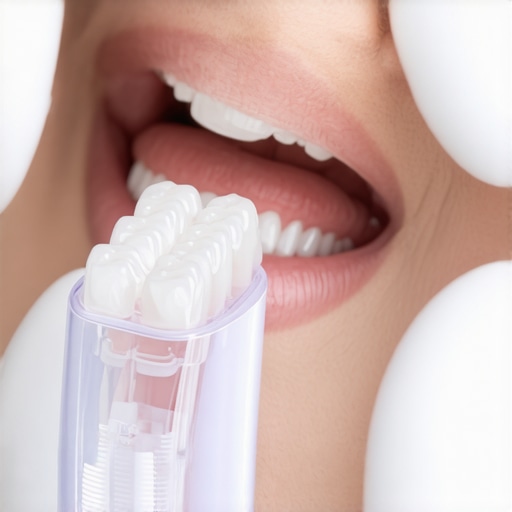 > This combination of tools has helped maintain my dental restorations and aligners, ensuring they perform their best for years. I believe staying proactive with these devices is key; in the future, we’ll likely see smarter, app-connected tools that monitor force and wear in real time. For now, I recommend setting a regular maintenance schedule — for example, a weekly ultrasonic clean and daily flossing with an irrigator. Just like a well-maintained car or appliance, your teeth and orthodontic devices require consistent care to serve you long-term.
What are some of the most effective methods to ensure your crowns and aligners last?
Aside from using the right tools, adopting specific routines can extend the lifespan of your restorations and orthodontic devices. For crowns, avoid hard, sticky foods that could crack or dislodge the crown. Scheduling periodic check-ups with your family dentist, ideally every six months, can catch early signs of wear or misalignment—early intervention saves time and money. During these visits, ask your dentist about using crown polishers and sealants, which can add a protective layer against staining and surface damage, improving your smile’s overall durability. As for Invisalign, maintaining consistent wear as prescribed—usually 20-22 hours daily—is crucial. Complement this with a habit of rinsing your trays with warm water after meals and brushing them gently with a soft toothbrush and non-abrasive paste. For long-term results, it’s worth considering a professional-level cleaning with ultrasound equipment, which is becoming more common in orthodontic practices. Investing in professional cleaning not only restores clarity but also maintains the structural integrity of your trays. Prediction suggests that future orthodontic tools will incorporate AI to monitor wear, guide usage, and even alert you when cleaning is overdue. Until then, diligent routine care with proven tools will keep your dental investments working beautifully.
Advanced tip: Try using ultrasonic cleaning devices regularly to shield your restorations from plaque buildup and staining. For example, the ultrasonic cleaner can remove biofilms from aligners and crowns, which enhances their longevity and appearance. Incorporate this into your weekly routine for optimal results. Remember, maintaining your dental work isn’t just about appearances; it’s about preserving function and preventing costly repairs down the line. Want to learn more about choosing the right tools? Check out this comprehensive guide to ensure your restorations stand the test of time.
Over years of caring for my family’s smile, I’ve uncovered hidden truths that transformed my approach to dental health. One of the most surprising lessons was how minor habits, like nightly grinding, can subtly undermine even the best dental work. It’s like realizing that a small leak in a boat can eventually sink the entire vessel if left unchecked—attention to detail matters immensely in maintaining your oral health.
The Surprising Truths I Wish I Knew Sooner
- Not all high spots are obvious: Sometimes, discomfort or uneven bites reveal underlying issues, but other times, they hide beneath the surface, only detectable through careful assessment. Trust your intuition and seek professional evaluation early.
- Habit reversal is powerful: Addressing grinding habits with custom nightguards isn’t just about comfort—it’s about preserving your investment in restorations like crowns or veneers. Small daily routines can have a big long-term impact.
- Precision in initial placement saves headaches: Ensuring your crown is perfectly matched during the first appointment can prevent issues down the line. For deeper insights, visit this guide.
- Continuous care is the secret weapon: Regular check-ups and diligent at-home hygiene keep your restorations in top shape. It’s like maintaining a treasured heirloom—neglect can lead to premature wear or failure.
- Smart tools make a difference: Investing in ultrasonic cleaners for aligners or crowns isn’t just convenience; it’s an act of preservation. These devices help ward off stubborn plaque and staining, extending the life of your dental work.
My Go-To Resources for Lasting Smiles
- This comprehensive article on crowns provides expert advice on selecting and maintaining your restorations, ensuring longevity and health — I’ve personally referred many patients here.
- The latest insights on Invisalign innovations keep me updated on how new technologies can enhance treatment outcomes. Knowing what’s on the horizon helps plan better solutions.
- Trusted family dentistry tips from reputable sources such as {https://familydentistpro.com/family-dentistry-secrets-maintaining-oral-health-with-modern-techniques-at-254-pm} ensure I stay proactive, not reactive, in oral care.
Keep Smiling and Take Charge of Your Oral Future
Your journey with family dentistry, crowns, and Invisalign is uniquely yours — a series of choices and habits that shape your oral health story. Embrace the learning process and make informed decisions that protect your smile for decades to come. Remember, every small step you take today paves the way for a healthier, brighter tomorrow.
What changes have you noticed in your oral routine that made a difference? Share your experiences below — your story could inspire someone else to take that first step toward a better smile!
,