
Why Your Child’s New Molars Have Deep Grooves That Trap Food
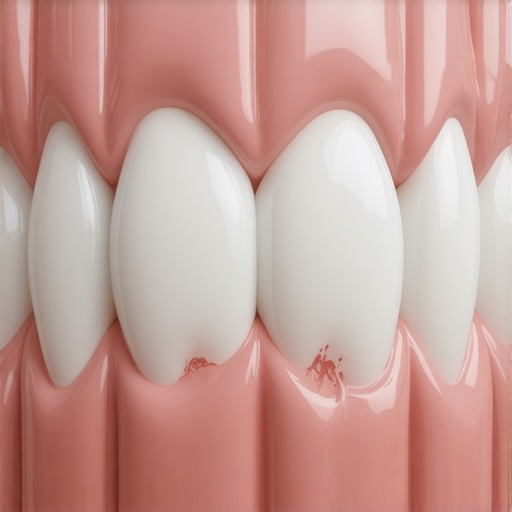
I remember the moment vividly—my child’s molars erupted, and I was caught off guard by the deep grooves that seemed almost designed to hold bits of food and plaque. It was like discovering my child’s mouth had its own secret trapdoors. Suddenly, brushing their teeth became a nightly battle, and I worried about cavities and future dental issues. That lightbulb moment made me realize how common and confusing this problem can be for parents.
Understanding Deep Grooves on Molars and Why They Matter
Deep grooves, also known as fissures, are natural lines on the chewing surfaces of your child’s permanent molars. While they are a normal part of dental anatomy, their depth and narrow channels can make oral hygiene challenging. When food particles get trapped in these tiny crevices, it creates a perfect environment for bacteria to thrive, increasing the risk of cavities even with regular brushing.
Many parents overlook these grooves—thinking that brushing alone will do the trick. But, the reality is, these deep fissures often require additional preventive measures to protect your child’s smile.
If you’ve noticed your child frequently complaining of tooth sensitivity or persistent cavities despite good oral hygiene routines, it might be time to understand what these grooves are and how to manage them effectively. Early intervention can make a big difference in maintaining healthy teeth and preventing costly dental work later on.
Is Sealant Application Really Worth the Effort?
When I first learned about dental sealants, I admit I was skeptical. I thought brushing and flossing were enough. But I made a mistake early on—assuming that sealants were just unnecessary dental cosmetics akin to whitening treatments. The truth is, sealants are a proven, cost-effective method to protect deep grooves. In fact, the American Dental Association endorses sealants as a crucial layer of defense against cavities in children’s molars.
Applying sealants is a quick, painless procedure that involves coating the grooves with a special resin. It acts as a barrier, preventing food and bacteria from settling in those hard-to-clean areas. For many families, sealants have become a staple in their children’s dental care routine, saving significant discomfort and expense down the line.
Interested in learning more about this preventive step? You can schedule a consultation with a trusted family dentist, like the experts at [Family Dentistry](https://familydentistpro.com/contact-us), who can assess your child’s teeth and recommend the best course of action.
Next, we’ll dive into simple, effective strategies to keep those tricky grooves clean and your child’s smile bright and healthy. But first, let’s address the biggest doubt parents face: are these measures really necessary, or are they just trendy dental gimmicks? Keep reading to find out.
Master the Art of Brushing Those Tricky Grooves
Start by choosing a small, soft-bristled toothbrush designed for children. Position it at a 45-degree angle to the chewing surfaces, focusing on the deep fissures. Use gentle, circular motions to dislodge trapped food and plaque, spending extra time on each groove. I once spent an entire evening patiently brushing my child’s molars, meticulously working into every fissure with a small brush and floss, resulting in noticeably cleaner teeth and fewer complaints of sensitivity.
Incorporate Flossing for a Thorough Clean
Use pediatric floss picks or orthodontic floss to glide into the depths of the fissures. Guide the floss gently back and forth to remove debris without damaging the gums. I remember struggling initially, battling the floss as my child wriggled, but with patience and a relaxed approach, flossing became part of our routine, significantly reducing trapped food and plaque buildup.
Apply Sealants for Long-Term Protection
Schedule a visit with your family dentist to have sealants applied. The dentist will clean the molars thoroughly, then paint a thin resin layer into the fissures, curing it with a light. Think of sealants like a raincoat for the teeth—shielding vulnerable areas from food particles and bacteria. I personally watched the process, amazed at how quick and painless it was, and appreciated that it created a smooth surface that’s easier to keep clean.
Opt for Preventive Resins When Needed
If your child’s molars have particularly deep grooves or show early signs of decay, discuss with your dentist about resin-based preventive treatments. These can be applied similarly to sealants and serve as an extra barrier. Remember, proactive steps now can save you time and dental expenses later, as a cautious approach prevented future decay in my child’s mouth.
Create Consistent Oral Hygiene Habits
Set a daily routine that emphasizes brushing and flossing twice a day, ideally after meals. Use a timer or game to make it engaging for your child, ensuring thorough coverage. Consistency is key; I found that a visual chart and positive reinforcement encouraged my child’s participation, leading to healthier, cleaner teeth over time.
Choose the Right Tools and Techniques
Equip your child’s bathroom with age-appropriate toothbrushes and floss. For stubborn food in grooves, consider interdental brushes or water flossers, which can reach like tiny house vacuums. I added a water flosser to our routine, and it made cleaning between deep fissures much more manageable, especially for my reluctant brusher.
While many believe they fully understand dental crowns and orthodontic options like Invisalign, there are subtle nuances that often go unnoticed even by seasoned practitioners. One common misconception is that all dental crowns are created equal; in reality, choosing the wrong type of crown, such as a porcelain-fused-to-metal versus zirconia, can impact both longevity and aesthetic appeal. Experts urge patients to refer to comprehensive guides like [The Ultimate Guide to Crowns for a Healthier Smile](https://familydentistpro.com/the-ultimate-guide-to-crowns-for-a-healthier-smile) to grasp these critical distinctions.
A significant overgeneralization surrounds oral health practices, where many think rigorous brushing suffices for cavity prevention. However, advanced decay often results from overlooked factors like saliva composition and microflora balance. Studies, including insights from the American Dental Association, highlight the importance of incorporating interdental cleaning tools and regular professional check-ups—beyond brushing alone.
Regarding family dentistry, there’s a myth that children’s oral health is less vital than adults’. This misconception can lead to neglecting early preventive measures like sealants, which are proven to drastically reduce caries in erupting molars. Resources such as [Family Dentistry Trends Improving Oral Health for All Ages](https://familydentistpro.com/family-dentistry-trends-improving-oral-health-for-all-ages) shed light on the importance of age-specific strategies.
When it comes to Invisalign, many assume it’s solely for cosmetic teeth alignment. In truth, Invisalign’s innovations play a pivotal role in functional improvements, correcting bite issues that, if left untreated, can cause long-term jaw pain or uneven wear. Advanced treatments may involve attachments or refinements that require expert oversight—crucial factors often ignored by patients evaluating DIY solutions or online reviews. For a deep dive into the technical advantages, check out [Invisalign Innovations – The Future of Family Dentistry](https://familydentistpro.com/invisalign-innovations-the-future-of-family-dentistry-revealed-at-1137-am).
Now, let’s challenge a common belief: is opting for cheap, quick-fix dental procedures ever truly beneficial? Many assume that cheaper options save money and time, but the truth is, they often lead to recurring issues and higher costs. For instance, choosing inferior crowns or neglecting minor issues because they seem insignificant can escalate into complex, costly treatments down the line. The real alert here is to prioritize expert advice and long-term outcomes—remember, your smile’s future depends on it.
What many fail to realize is that actual expertise lies in understanding these subtleties—like how a well-chosen crown can reinforce a tooth beyond aesthetics, or how a comprehensive oral health strategy can prevent future pain and expense. Don’t fall into the trap of complacency; invest in informed choices to ensure enduring benefits.
Have you ever fallen into this trap? Let me know in the comments and share your experiences. For personalized guidance tailored to your unique dental needs, schedule a consultation with trusted family dentists [here](https://familydentistpro.com/contact-us). Stay proactive, and your smile will thank you for it.Maintaining a healthy, radiant smile requires more than just regular brushing and flossing; it demands the right tools and techniques that are proven to work effectively over time. As a dental professional dedicated to long-term oral health, I advise my patients to invest in equipment that not only cleans thoroughly but also promotes gum health and preserves restorative work like crowns and Invisalign treatments.
One essential tool I personally rely on is **electric toothbrushes with oscillating-rotating technology**. For example, the Oral-B Genius series offers superior plaque removal compared to manual brushes, ensuring each tooth surface is adequately cleaned. I incorporate these into my routine because their timed brushing cycles and pressure sensors help prevent overbrushing, which can damage gums.
In addition, I recommend **interdental tools like thin, flexible floss picks** or interdental brushes. These are critical for reaching deep into spaces where plaque accumulates, especially around crowns and braces. I prefer interdental brushes with narrow heads, such as TePe Supreme, because they can clean under bridges and around hardware without causing trauma. Incorporating these tools regularly helps extend the lifespan of restorations and maintains periodontal health.
For patients with Invisalign, I advocate for **specialized cleaning products** like Invisalign cleaning crystals or clear retainer cleaners. These prevent discoloration and bacterial buildup on trays, which can be a common issue. I use and recommend these because they keep aligners transparent and hygienic, reducing the risk of oral infections.
Looking ahead, the trend in dental tools is moving towards **smart devices** that sync with smartphone apps, providing real-time feedback on brushing habits or plaque levels. Technologies like the Philips Sonicare DiamondClean Smart analyze brushing patterns and suggest improvements, making home care more effective. I predict that smart, AI-powered dental devices will become the standard for personalized oral health routines, helping prevent issues before they require invasive procedures.
**How do I maintain my tools over time?** Proper maintenance is crucial to ensure they continue to work effectively. Regularly replace brush heads every three months, clean electric toothbrush bases with alcohol wipes, and rinse interdental brushes thoroughly after use. Battery-powered tools should be stored in dry, cool places, and any damaged devices should be replaced promptly to prevent bacterial buildup.
Finally, scheduling routine dental checkups is essential. Your dentist can assess the integrity of your tools, recommend replacements, and make adjustments tailored to your evolving needs. Remember, investing in quality tools and maintaining them properly is an investment in your long-term oral health. For personalized advice on choosing the best equipment for your needs, I welcome you to reach out via our [contact page](https://familydentistpro.com/contact-us). Implementing these advanced tips today can have a profound impact on your smile’s future—so don’t delay!
Why I Wish I Knew the Power of Sealants Sooner
One of the most eye-opening lessons I learned was that sealants aren’t just cosmetic; they’re a vital shield for your child’s molars, especially in the deep grooves that trap food and bacteria. I underestimated their importance initially, thinking diligent brushing was enough, but I’ve seen firsthand how sealants significantly reduce decay and boost confidence.
My Biggest Mistake with Family Oral Care
I used to believe that making brushing fun was enough—until I realized that technique matters just as much. Properly positioning the toothbrush, spending adequate time on each area, and using the right tools became game changers. These tweaks transformed our routine from a chore into an effective defense against cavities.
The Lesson Dentists Don’t Tell You About Invisalign and Crowns
Many assume Invisalign is purely cosmetic, but it can address functional issues like bite correction, preventing long-term wear and jaw problems. Similarly, choosing the right crown material—zirconia over porcelain-fused-to-metal—can dramatically influence durability and appearance. Educating myself on these nuances has saved me from costly, unnecessary replacements and discomfort.
The Tools That Made a Difference in My Routine
I started incorporating interdental brushes and electric toothbrushes with oscillating heads, which really upped our cleaning game. These tools, combined with our regular visits, created a comprehensive approach that honestly keeps our smiles healthier and brighter. Investing in quality tools and learning proper technique turned my family’s oral health around.
Your Next Steps Toward Smile Confidence
Remember, the journey to a resilient and radiant smile isn’t just about quick fixes—it’s about understanding the subtle details and making informed choices. I encourage you to learn about the latest innovations, resourceful products, and expert advice to truly protect your loved ones’ dental health. Don’t hesitate to reach out through our contact page for personalized guidance. Taking action today can pave the way for lifelong happiness with your smile.