
The Truth About Alcohol-Based Mouthwashes and Chronic Dry Mouth
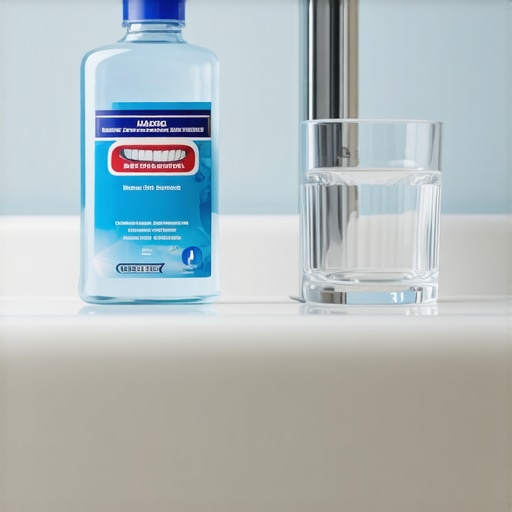
It was late one evening, and I was brushing my teeth after a long, exhausting day. As I rinsed with my favorite mouthwash, I suddenly felt an unsettling dryness creeping through my mouth. Just like that, the fresh breath I expected was replaced with a gritty, uncomfortable sensation. It hit me—something I had overlooked for years was quietly damaging my oral health.
Why So Many of Us Are Ignoring a Silent Mouthwash Risk
Many people swear by mouthwash as part of their daily routine, but beneath the refreshing spritz lies a hidden concern. Alcohol-based mouthwashes, while effective at combatting bacteria, can ironically worsen dry mouth conditions, especially for those already struggling with this issue. Honestly, I didn’t realize the extent of this problem early on. I thought, “It’s just mouthwash; how harmful could it be?” Well, that was a mistake. Studies show that alcohol in mouthwash can damage the delicate tissues inside your mouth, leading to increased dryness and even oral soreness (source: [American Dental Association](https://www.ada.org)).
Is Mouthwash Actually Worth the Hype?
I remember rushing out to buy a new bottle because I believed it would make my breath last longer and keep my mouth fresher. What I didn’t understand at the time was that my choice was aggravating my dry mouth, setting off a cycle of discomfort. If you’ve ever faced similar struggles—perhaps a constant dry feeling or irritated gums—you might be wondering if all this fuss about alcohol-free alternatives is just hype or truly worth switching over.
Let me tell you, I learned the hard way that not all mouthwashes are created equal. Mistakenly, I thought that rinsing with anything was better than nothing, but choosing the wrong product compounded my problems. Now, I’m here to share what I’ve uncovered and help you avoid the pitfalls I stumbled into. Ready to find out how to protect your mouth and breathe easier? Let’s dive into the practical steps that can transform your oral health.
Switch to Alcohol-Free Mouthwash
During my personal journey, I replaced my alcohol-based mouthwash with an alcohol-free alternative, which significantly reduced dryness and irritation. To do this, read labels carefully and choose products that are expressly labeled as alcohol-free. When shopping, look for ingredients such as aloe vera and xylitol, which soothe tissues. This simple swap can make a noticeable difference in maintaining moisture in your mouth, especially if you’re prone to dry mouth.
Master Proper Brushing and Flossing Techniques
Effective oral hygiene isn’t just about brushing harder; it’s about correct technique. Use a soft-bristled brush and gentle circular motions to clean thoroughly without damaging gums. Floss gently to remove plaque without causing bleeding. As an example, I once found that over-vigorous brushing caused gum recession, leading to increased sensitivity. Developing a routine that prioritizes gentle, consistent cleaning helps preserve tissue health, reducing discomfort and promoting healing.
Maintain Hydration Throughout the Day
Dehydration worsens dry mouth symptoms, so set reminders to sip water regularly. Carry a water bottle and take small sips during meals or breaks. I once committed to a habit of drinking a glass of water every hour, which kept my mouth moist and minimized discomfort, especially during long workdays. Adequate hydration ensures saliva production remains steady, forming a natural barrier against bacteria and reducing irritation.
Adjust Your Diet for Better Oral Comfort
Limit intake of caffeinated, alcoholic, and sugary beverages. Incorporate crunchy fruits and raw vegetables, like carrots and apples, which naturally stimulate saliva. I started snacking on crisp veggies and observed less dry sensation and healthier gums. Think of this as giving your mouth a gentle massage, encouraging saliva flow and cleansing debris without harsh chemicals.
Include Saliva-Boosting Products
Consider using saliva substitutes or oral gels designed to combat dryness. Apply these before meals or when discomfort strikes. When I used an over-the-counter saliva spray, I experienced immediate relief, making it easier to speak and eat. These products can serve as a temporary fix while addressing underlying causes, ensuring your tissues remain protected and hydrated.
Consult Your Dentist About Custom Solutions
If dryness persists, professional intervention can make a difference. Modern family dentistry techniques, like laser therapy, can promote tissue regeneration and improve salivary gland function. I visited my dentist for a tailored plan, which included prescription saliva stimulants and lifestyle adjustments, leading to sustained relief. Regular check-ups help identify underlying issues early, such as medication side effects or salivary gland problems, preventing the cycle of discomfort from worsening.
Many assume that the primary goal of family dentistry is simply maintaining clean teeth, but in reality, it involves a nuanced understanding of evolving techniques and preventative strategies. One common myth is that traditional fillings and crowns are static solutions; however, modern materials like zirconia and ceramic composites offer superior durability and aesthetic appeal, as highlighted in recent studies showing increased longevity and patient satisfaction (source). This shift underscores the importance of staying informed about advances beyond the basic cavity repair.
Another misconception is that Invisalign is only suitable for mild misalignments. In truth, technological advancements now allow for the correction of complex cases, integrating digital scanning and 3D modeling for precision, making Invisalign a versatile alternative to braces. This transformation is discussed in detail on our dedicated Invisalign guide. It’s critical to recognize that opting for these cutting-edge methods can significantly improve both function and appearance.
Have you ever fallen into this trap? Let me know in the comments.
What many overlook is the advanced understanding of oral microbiomes and their influence on dental health. While widespread practices focus on removing plaque mechanically, recent research reveals that manipulating oral bacteria through probiotics can bolster resistance against decay and gum disease. Experts increasingly recommend probiotic rinses and supplements as part of holistic care plans, as evidenced in clinical trials (discover more here). Recognizing and implementing these nuanced approaches can transform your family’s oral health outcomes.
Beware of the common trap of neglecting the importance of individualized treatment plans. Every mouth is unique, and what works for one person might not be optimal for another—especially when considering devices like crowns or aligners. Consulting with a provider who uses digital diagnostics ensures tailored solutions that consider your specific anatomy and lifestyle, maximizing long-term success. More insights into personalized care can be found on our family dentistry insights page. Mastering this nuance is key to avoiding costly mismatches and ensuring durable, natural-looking results.
In summary, the realm of family dental care extends far beyond basic expectations. It involves understanding emerging materials, digital enhancements, microbiome health, and personalized treatment planning. Staying informed and vigilant allows you to make choices rooted in expertise rather than myths. Have you explored these advanced options? Share your experiences or questions below.
Maintaining excellent oral health over the long run requires more than just good habits; it demands the right tools and a strategic approach. As a family dentist deeply involved in the latest techniques, I’ve found that selecting specific equipment and software can make a real difference in achieving durable, natural results. Here’s what I personally use and recommend to my patients for ongoing dental maintenance and enhancement.
Invest in a High-Quality Electric Toothbrush
Regular manual brushing can only do so much. I personally rely on an electric toothbrush with a timer and pressure sensors, like the Philips Sonicare DiamondClean. Its sonic technology effectively removes plaque without causing gum recession, especially important when you’re working on crowns or veneers. The built-in timer ensures you brush for the recommended two minutes, reducing the risk of missed spots. Regular use of such a device not only keeps teeth cleaner but also extends the lifespan of restorations and orthodontic appliances.
Use an Advanced Oral Scanner
To achieve long-term success with procedures like crowns or Invisalign, precise measurements are critical. I recommend the Cerec Omnicam or similar intraoral scanners because they allow for detailed digital impressions without the discomfort of traditional molds. These digital tools enable us to plan and execute restorations with remarkable accuracy, reducing the need for adjustments down the line and improving the longevity of your restorations. Plus, they facilitate digital record-keeping for future reference, streamlining ongoing care.
Implement Treatment Planning Software
Aligning with digital impressions, I use specialized software to simulate Invisalign outcomes. This allows patients to visualize their progress and motivates compliance. It also helps us create precise treatment timelines and assess the best materials for crowns or veneers, considering wear resistance and aesthetics. Utilizing such software ensures that your treatment plan remains optimized even as your needs evolve.
Opt for a Plaque Detection System
Maintaining your oral health isn’t just about brushing and flossing; it’s about targeted cleaning. I often recommend disclosing tablets or UV plaque detection lights to my patients. These tools highlight stubborn plaque that may be missed otherwise. Recognizing and removing plaque from hard-to-reach areas greatly reduces the risk of decay and gum disease, especially around crowns and implants. Regularly integrating this step helps preserve your investment in restorations and keeps your oral microbiome balanced.
Predict Future Trends in Dental Tools
Looking ahead, innovations like AI-driven diagnostics and 3D printing are set to revolutionize family dentistry. AI algorithms can analyze imaging data to predict wear patterns and identify early signs of failure, enabling preemptive care. 3D printing opens possibilities for in-office fabrication of crowns, aligners, and splints, drastically reducing turnaround times. Staying abreast of these advancements can help you adopt tools that enhance durability and aesthetics, ensuring your smile remains strong and beautiful for decades to come.
How do I keep these tools effective over time?
Consistent maintenance and calibration are key. Regularly updating software, replacing worn-out brushes, and scheduling professional cleanings ensure optimal performance. Additionally, investing in training on how to use digital tools correctly maximizes their benefits. Remember, integrating these tools into your routine transforms maintenance from a chore into an effective strategy for long-lasting oral health. Why not try incorporating a plaque detection light into your weekly routine? It could be the game-changer your smile needs.Reflecting on my journey through family dentistry, I realized that the biggest lessons often come from unexpected challenges. One lightbulb moment was discovering how certain popular treatments, like traditional crowns, could have long-term implications if not chosen wisely. I learned that investing in high-quality materials and understanding the expertise behind each procedure dramatically improves outcomes. Additionally, staying informed about emerging innovations, such as digital impression technology, can save you from costly revisions and discomfort. Lastly, embracing a holistic approach—coupling advanced tools with personalized care—ensures your family’s oral health thrives, not just survives.