

I remember the moment vividly—my child’s face crumpled in frustration after yet another dental visit, her trust in our family dentist seemingly eroding with each appointment. It struck me then just how vital it is not only to fix smiles but to build lasting trust within our families when it comes to dental health. That realization sparked my obsession with finding effective, realistic strategies to ensure everyone in my family feels confident and respected during their dental journeys.
The Secret to Lasting Family Smiles: Trust and Confidence
Today, I promise to share practical tips that helped my family embrace their dental care routines, especially when dealing with Invisalign & crowns. These two treatments can be game-changers—if approached the right way—building a foundation of trust that makes future appointments smoother and more successful. From my personal experiences and research, I’ve discovered that honesty, transparency, and education are the cornerstones of family trust in dental health.
Is Invisalign or Crowns Really Worth the Hype?
One common hesitation I faced early on was: “Are these treatments really effective enough to justify the effort and expense?” I made a crucial mistake initially—believing that all dental procedures were interchangeable and that a quick fix was sufficient. That misstep made me realize how essential it is to fully understand what each treatment offers, how it benefits my family, and what common misconceptions to avoid. According to a study by the American Association of Orthodontists, almost 80% of orthodontic patients reported improved self-esteem after Invisalign treatment—proof that investing in these solutions can truly boost confidence when approached correctly.
Now, the real question is, how do you ensure the treatments you choose for your loved ones foster trust and lead to lasting results? That’s exactly what we’ll explore next—practical, straightforward tips that anyone can adopt to make dental care a positive experience for the whole family.
Establish Consistent Communication to Reinforce Trust
Start by openly discussing upcoming procedures, like Invisalign or crowns, with each family member. Share what to expect, how long it will take, and the benefits. I recall sitting down with my daughter before her first Invisalign consultation, explaining how this clear aligner would gently shift her teeth, much like guiding a boat through calm waters. This transparency eased her nerves and built anticipation. Use simple language, avoid technical jargon, and encourage questions to foster an environment of honesty and safety.
Prepare Your Family with Educational Resources
Empower your loved ones by providing age-appropriate materials about dental treatments. For example, I used visual aids and kid-friendly videos to explain dental crowns, which are like protective helmets for teeth. Resources like Invisalign myths can help demystify misconceptions. Remember, knowledge reduces fear, making the experience more positive and trust-building.
Involve Them in Treatment Decisions
Invite family members to participate in choosing their treatment options when possible. For my son, selecting the shade of his crown made him feel in control, akin to choosing an outfit for a special occasion. This participation ensures they feel respected and invested in their care. When considering options, explore resources like expert crown advice to weigh benefits and preferences effectively.
Maintain a Calm and Reassuring Environment
During appointments, stay composed and positive, setting the tone for trust. I learned this quickly during my child’s dental visit: staying calm helped her mirror my confidence—like a captain steadying the ship amidst rough seas. Use soothing words, avoid rushed procedures, and praise bravery or cooperation. This emotional safety net encourages future openness and trust.
Follow Up and Reinforce Trust Post-Treatment
After procedures, discuss how the results look and feel. For instance, after her crown placement, my daughter proudly showed her reflection, reinforcing her confidence. Keep lines of communication open, address any concerns promptly, and celebrate progress. Check out crown guides to deepen your understanding and support ongoing trust.
Create Routine and Familiarity
Structure regular dental visits into family routines, making them predictable rather than intimidating. I scheduled appointments at the same time each month, like a familial tradition. Over time, this familiarity reduced anxiety, much like children growing comfortable with bedtime stories. Consistency breeds trust, and confidence follows naturally.
Use Visual and Tactile Aids for Better Understanding
Utilize mirrors, models, or even play-dough to demonstrate dental procedures. I once used a toothbrush and a small model to show how a crown fits over a tooth, transforming a complex idea into a tangible experience. This interactive approach clarifies doubts and fosters a sense of control—key in building trust.
Leverage Trusted Resources and Support Networks
Connect with trusted dental professionals and online communities for tips and reassurance. Reading success stories or consulting experienced family dentists, as highlighted in trusted guides, can alleviate fears and inspire confidence. Remember, shared experiences and expert guidance reinforce your family’s trust in the process.
Many believe that maintaining good oral health is simply about brushing twice a day and visiting the dentist regularly. However, this oversimplification masks several nuanced factors that can significantly impact long-term results. One common myth is that all dental treatments, like Invisalign or crowns, are essentially the same across providers. In reality, the quality of materials, expertise, and execution vary widely, affecting both the longevity and aesthetic outcomes. For example, not all crowns are created equal; choosing the right type and material requires discerning knowledge, as detailed in this comprehensive guide.
Another widespread misconception is that temporary fixes suffice for lasting oral health. Many patients opt for quick solutions without investing in proper planning, which often leads to repeat procedures or complications later on. An advanced mistake involves overlooking the importance of occlusion—how teeth bite together—which can undermine even the most carefully planned treatments like Invisalign or crowns. Ignoring bite alignment can cause TMJ issues, uneven wear, or relapse after orthodontic or restorative work. Research published in the Journal of Prosthetic Dentistry highlights that nuanced adjustments in bite can dramatically improve functional and aesthetic outcomes, stressing the need for expert assessment beyond surface-level corrections.
What should I consider when planning for comprehensive family dental care that lasts?
For those seeking durable results, collaboration with a family dentist who understands the advanced nuances of different treatments is essential. Incorporating regular updates on emerging trends, such as family dentistry innovations, ensures your strategy evolves with proven methods. Remember, the goal isn’t just to fix immediate issues but to establish a resilient oral health foundation that withstands the test of time. Fostering this requires understanding the complex interactions between materials, techniques, and individual patient factors—an area where common misconceptions can lead to costly mistakes.
Finally, be cautious of the trap of complacency—assuming that once a treatment is completed, no further action is necessary. Continuous maintenance, personalized oral hygiene routines, and periodic professional assessments are what sustain a healthy, confident smile. This approach is supported by studies showing that ongoing care significantly reduces the risk of future decay or structural failures.
Are you aware of the subtle nuances that could influence your dental health journey? Have you ever fallen into this trap? Let me know in the comments and share your experiences!
< >
>
Maintaining Long-Term Results with the Right Tools
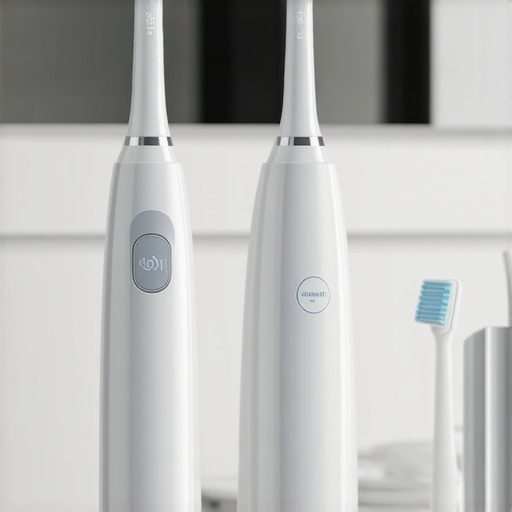
Ensuring your family’s oral health remains robust over time requires more than just good brushing habits; it demands the right tools tailored to specific needs. Personally, I rely on high-quality ultrasonic toothbrushes, like the Sonicare DiamondClean, because they deliver superior plaque removal compared to manual brushes, especially around crowns and Invisalign aligners. Their sonic technology creates micro-bubbles that effectively clean hard-to-reach areas, which is essential for long-lasting restorations and orthodontic appliances.
Another invaluable device is a water flosser, such as Waterpik’s Aquarius. I incorporate it into my family’s daily routine because it helps dislodge debris beneath crowns and around braces where traditional floss might miss. Research shows that water flossers significantly reduce gum bleeding and pocket depths, especially post-restoration, prolonging their aesthetic and functional integrity. This tool is especially helpful in maintaining the health of areas with crowns, preventing secondary decay that can compromise restoration longevity.
Embracing Dental Software for Better Monitoring
To stay ahead of potential issues, I utilize dental health management apps like DentalMonitoring. These apps sync with your dentist’s system, allowing you to upload photos of your teeth regularly—particularly useful when managing Invisalign or crowns. This proactive approach enables early detection of problems such as misalignment or decay, reducing costly visits and ensuring treatments stay on track. As technology advances, I predict a future where AI-driven diagnostics will offer even more personalized maintenance plans, making family oral health management more efficient and less burdensome.
How do I maintain trustworthy results over time?
Staying consistent with routine tools and scheduled check-ups plays a pivotal role. I schedule biannual comprehensive exams and cleanings, using this opportunity to review and adjust home care tools if needed. Restorations like crowns can last decades if monitored correctly; however, neglecting minor changes can lead to bigger issues. Regular professional assessments, coupled with your trusty at-home devices, form a robust shield against decay and wear. It’s crucial to consult with your family dentist—not just during emergencies but as part of a proactive health strategy. Find more tips on long-term oral health.
Looking ahead, innovations such as smart toothbrushes equipped with pressure sensors and real-time feedback are set to revolutionize at-home maintenance, making it easier to sustain optimal oral hygiene without guesswork. Incorporate these tools into your routine and observe how your family’s smile confidence flourishes.
Finally, remember that a meticulous approach—combining effective tools, regular professional care, and staying informed—will ensure that your efforts translate into lasting results. For in-depth guidance on choosing the best crowns and ensuring their durability, check out this comprehensive guide. Don’t hesitate to try one of these advanced maintenance tips today—your family’s smiles deserve it!
My Unexpected Revelations About Trust in Family Dental Care
One of the most profound lessons I learned was that genuine trust isn’t built overnight; it comes from consistently showing up with honesty, patience, and a willingness to listen. I once believed that delivering excellent treatment alone would earn my family’s unwavering confidence, but I soon realized that candid conversations and mutual understanding make all the difference. This insight transformed how I approach every appointment, ensuring my loved ones feel valued beyond their teeth.
Tools and Resources That Truly Shift My Approach
From top-tier ultrasonic toothbrushes like Sonicare DiamondClean to informative books such as the guide on crowns and Invisalign success, I curate my toolkit with intention. These tools empower my family to maintain trust and confidence in their dental journey. Relying on reputable resources and staying updated with innovations shared in the latest family dentistry trends keeps us motivated and informed.
Embracing Emotional Resilience in Dental Scenarios
The most impactful realization is that building trust often requires us to master our emotions. Staying calm during procedures, celebrating small victories, and openly addressing fears have helped my family bridge gaps of anxiety and uncertainty. This emotional resilience transforms dental visits from daunting chores into empowering experiences, championing long-term trust in professional care. Remember, your calm can set the tone for your loved ones’ entire dental health story.
Are there specific fears or hurdles you’ve encountered on your family’s dental journey? Share your stories below and let’s learn together how to turn dental care into a foundation of trust and confidence for all.