
The truth about soft vs hard toothbrushes for receding gums
I remember the morning I stood in front of my bathroom mirror, pulled back my lip, and actually gasped. My gums weren’t where they used to be. For years, I had been a ‘power-brusher,’ buying the stiffest, hardest bristles I could find because I thought anything less was just being lazy with my hygiene. I wanted that squeaky-clean feeling, and I was willing to muscle my way there. But that aggressive scrubbing was a massive mistake that left me with exposed roots and a painful sensitivity that made my morning iced coffee feel like an electric shock to the jaw. It turns out, I wasn’t cleaning my teeth; I was literally sawing away at my gums.
My Gums Were Literally Backing Away From My Brush
It is a common trap we all fall into. We think ‘hard’ means ‘effective,’ but when it comes to oral health, that mindset is dangerous. If you have started to wonder how to tell if your gums are receding from brushing too hard, you are likely already seeing the warning signs—those tiny notches near the gumline or a yellowish tint near the root that didn’t used to be there. Today, I am going to show you why that stiff brush belongs in the trash and how making the switch to soft bristles saved my smile from further damage. We are going to tackle the science of plaque removal and why being gentle is actually the most ‘hardcore’ thing you can do for your longevity, especially if you want to avoid needing restorative crowns down the road.
Is a Soft Brush Actually Enough to Kill Plaque?
I was the biggest skeptic you would ever meet. I thought soft bristles felt like brushing with a marshmallow—totally useless. But here is the reality: plaque is actually soft and sticky, not hard like a rock. You do not need a jackhammer to remove it; you need a gentle sweep. According to the American Dental Association (ADA), hard-bristled brushes can actually wear down your tooth enamel and damage soft tissue over time. I made the mistake of thinking force equaled cleanliness, but I was just accelerating my own tooth wear. In fact, once I learned the specific way to brush when you have gum recession, my sensitivity started to fade within weeks. Have you ever looked at your toothbrush and noticed the bristles are splayed out like a dead spider? If your brush looks like it’s been through a war zone after just a month, you are definitely pushing too hard. Have you noticed your gums looking a bit lower lately, or is it just me?
Stop Scrubbing and Start Sweeping
I spent decades thinking my teeth were like a dirty garage floor that needed a stiff push-broom. The truth is much more delicate. When you scrub horizontally with a hard brush, you aren’t just missing the plaque trapped under the gumline; you are effectively chiseling away your enamel. The first time I tried to change my technique, it felt like I was barely doing anything at all. I felt like a failure in the bathroom mirror because I didn’t have that raw, tingly ‘scoured’ feeling. But three months later, my hygienist asked what I had changed because my inflammation had vanished. The secret is the ‘sweep’ rather than the ‘scrub.’ By using family dentistry secrets focused on modern soft-tissue care, I learned that plaque is easily disrupted with vibration, not friction.
The 45-Degree Tilt That Actually Reaches the Plaque
To do this right, you need to angle the bristles at 45 degrees toward the gumline. This isn’t just a suggestion; it is the only way to get the bristles into the sulcus—the tiny pocket where bacteria hide. If you keep the brush flat against your teeth, you are only cleaning the easy parts and ignoring the zones where gum disease starts. I remember the exact moment I realized I had been doing it wrong for thirty years; I was looking at a diagram in my dentist’s office and realized my ‘horizontal’ method was just pushing debris further into the gaps. If you have been struggling with sensitivity, mastering this angle is how you can finally learn how to stop the painful zing when you drink iced coffee without needing heavy numbing agents.
Grip Your Brush Like a Violin Bow
This was the hardest habit for me to break. I used to clench my toothbrush like a hammer, putting the full weight of my shoulder into every stroke. My dentist finally told me to hold the brush with just my fingertips, like I was holding a delicate violin bow or a paintbrush. If you use your whole palm, you are likely applying over 200 grams of pressure, which is enough to bruise the delicate gingival tissue. By switching to a fingertip grip, you let the bristles do the work. This light touch is essential for top oral health tips for your family’s bright smiles because it protects the younger, softer enamel of children while preserving the receding gums of adults. 
Signs Your Brush Is Working Against You
You can tell if your technique is failing by looking at the tool itself. If you bought a new toothbrush last month and the bristles already look like a flared-out dandelion, you are a ‘power-brusher’ in denial. A toothbrush should look almost new even after three months of use. When the bristles splay, they lose their ability to reach between teeth, which is often the reason your teeth feel fuzzy even after brushing. I used to think I was just ‘tough’ on my brushes, but I was actually just destroying my mouth’s first line of defense.
Don’t Wait for the Bristles to Change Color
Most people wait until the ‘wear indicator’ on their brush is completely gone, but by then, the bristles have often become jagged and microscopic saw blades. After I had a deep cleaning, I learned that the reason your gums feel tender after a routine cleaning is often because the professional tools finally reached what your worn-out, splayed brush had been skipping for weeks. Swapping your brush every 90 days—or sooner if you see any splaying—is a non-negotiable rule for keeping your gums where they belong.Most people assume that once they get a crown, that tooth is safe forever. I fell into this exact trap myself. I figured if the tooth was covered in high-grade porcelain, I didn’t need to be as surgical with my cleaning routine. This is perhaps the biggest ‘oops’ in family dentistry secrets. In reality, the margin where the crown meets your natural tooth is a high-stakes environment for bacteria. If you keep up that aggressive scrubbing we discussed earlier, you will eventually recede the gum right off that margin, exposing the most vulnerable part of your tooth to rapid decay. I have encountered so many people who needed to revisit the ultimate guide to crowns for a healthier smile because they treated their dental work like a set-it-and-forget-it appliance rather than a living, breathing part of their oral ecosystem.
Why does my crown feel like it is shifting?
It is a sophisticated question that often points toward the bone and tissue foundation rather than the porcelain itself. If you have noticed why your dental crown feels like its shifting, it might be because the chronic inflammation from over-brushing or a misaligned bite is destabilizing the ligament. Contrary to popular belief, a crown does not make a tooth stronger against gum disease; it actually makes your hygiene technique even more critical.
Could your alignment be the hidden reason your gums are fleeing?
Here is a nuance most people miss: sometimes it is not the brush at all, but the way your teeth collide during the day. Malocclusion—or a bad bite—puts ‘jiggling’ forces on your teeth that can cause the gums to recede even if you use the softest brush on the market. This is why invisalign myths debunked what you need to know today often focus on the health benefits rather than just the aesthetics. Straightening your teeth is about creating a ‘cleanable’ environment where plaque has fewer places to hide. A study published in the Journal of Periodontology indicates that patients with properly aligned teeth show significantly lower rates of gingival recession over a ten-year period compared to those with significant crowding. 
The Trap of the Black Triangle
If you have recently finished orthodontic work or had a professional deep cleaning, you might notice small, dark gaps near the gumline. A common mistake is to panic and try to ‘scrub’ these gaps away with force, but you are likely just making them larger by destroying the delicate papilla tissue. Managing how to fix the black triangle gaps that appear after braces is a matter of restorative care and proper stimulation, not friction. Have you ever fallen into the trap of thinking your dental work meant you could slack off on the basics? Let me know in the comments! Switching to a soft brush and a mindful, ‘violin-bow’ grip isn’t just a suggestion for natural teeth; it is the only way to ensure your investment in crowns vs veneers actually lasts a lifetime. If you are worried that your current routine is doing more harm than good, you should contact us for a professional assessment before the recession worsens.I used to think that spending money on an electric toothbrush was a total gimmick, a way for tech companies to invade the one place I still had privacy—my bathroom. But after I saw the damage I was doing with my ‘manual muscle’ method, I realized I needed a tool that was smarter than my ego. I eventually invested in a high-end oscillating-rotating brush with a pressure sensor. This wasn’t about being fancy; it was about the red light that flashed every time I pressed too hard. That light became my coach. According to a systematic review published in The Cochrane Library, powered toothbrushes provide a significant advantage over manual ones, specifically reducing plaque by 21% after just three months of use. For me, it wasn’t just the plaque removal; it was the forced discipline of a two-minute timer that stopped me from rushing and the sensor that saved my remaining gum tissue. 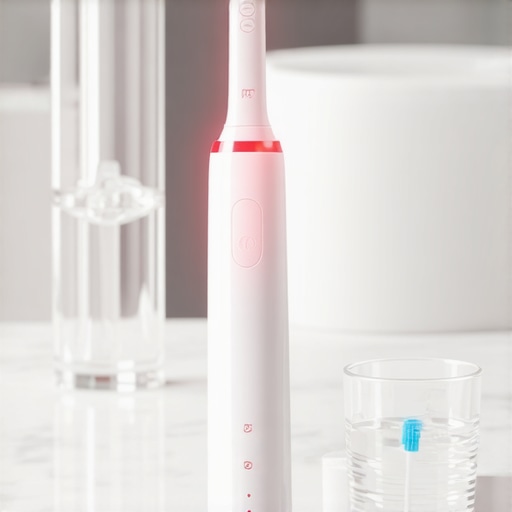 If you are currently wearing aligners or have recent restorative work, your tool kit needs to be even more specialized. I’ve seen people struggle to get their trays to fit correctly, but learning how to seat stubborn invisalign trays using the munchie technique changed everything for my friends in treatment. It is these small, specific tools—like silicone munchies or specialized floss threaders—that make the difference between a successful treatment and a frustrating one. When you have hardware in your mouth, you cannot rely on luck. You have to understand why crowns are a game-changer in restorative dentistry and treat them with the respect they deserve by using a water flosser to reach those tight margins where a standard brush simply fails.
How do I keep my smile healthy for the next decade?
The secret to longevity isn’t just one miracle product; it is the combination of professional monitoring and personal accountability. I recommend scheduling what I call ‘alignment audits’ even after your braces or Invisalign are done. Teeth have a memory, and they want to drift back to their old, crowded positions. Staying ahead of family dentistry trends improving oral health for all ages means being proactive about your retainers. If you feel even a slight shift, do not wait. We are moving toward a future where smart-brushes will likely sync directly with your dentist’s office to flag recession in real-time, but until then, you are the first responder. Looking forward, I predict that invisalign innovations the future of family dentistry revealed at 1137 am will focus heavily on bio-active materials that actually help remineralize your enamel while you straighten your teeth. We are not just moving bone anymore; we are bio-hacking the mouth. My biggest piece of advice for you right now? Go into your bathroom tonight and try to brush your teeth using only your non-dominant hand. It forces you to slow down, pay attention to the pressure, and stop that autopilot scrubbing that got us into this mess in the first place.
The Lesson My Gums Taught Me About Force
After years of trial and error, I realized that oral health isn’t about how hard you work; it’s about how smart you work. First, I learned that plaque is surprisingly fragile—it only takes a gentle disruption to keep it from hardening into tartar. If you’ve been using a heavy hand, you’re likely missing the family dentistry secrets that prioritize tissue preservation over raw scrubbing power. Second, I discovered that dental work isn’t a shield. If you have been wondering why your dental crown feels like its shifting, it’s often because the gum around it is being pushed back by aggressive habits, not because the porcelain is failing. Finally, I accepted that alignment matters more than I thought; debunking common invisalign myths debunked what you need to know today helped me see that straight teeth are simply easier to keep healthy without using excessive pressure.
My Tried-and-Tested Tools for Oral Longevity
I don’t believe in buying every gadget on the market, but a few specific items changed my life. I highly recommend an electric brush with a visible pressure sensor—it acts like a coach in your bathroom, flashing red whenever you revert to ‘scrub mode.’ For those of us with restorative work, checking the ultimate guide to crowns for a healthier smile can help you choose the right interdental cleaners that won’t scratch your margins. I also suggest keeping a pack of silicone munchies if you are in clear aligners to ensure everything stays seated properly. These small investments are far cheaper than the surgical grafts required if you ignore your recession for too long. #IMAGE_PLACEHOLDER_E#
Protecting Your Smile One Brush Stroke at a Time
You have the power to stop the damage right now. Tonight, when you walk into your bathroom, remember that your gums are living tissue, not a hard surface that needs scouring. By switching to a soft-bristled head and slowing down your routine, you are making a choice to keep your natural teeth for decades to come. If you are worried that the recession has already gone too far, don’t wait for the pain to start; reach out and contact us to see how we can stabilize your smile together. Have you ever noticed your gums receding, or are you just starting to feel that first ‘zing’ of sensitivity when you drink cold water? Let me know in the comments!