
How to tell if your child is ready for their first dental cleaning

I vividly remember the afternoon I decided my three-year-old was finally ready for the big kid chair. I had it all planned out: the cute outfit, a special sticker waiting in my pocket, and a week’s worth of pep talks. But the moment that motorized polisher hummed to life, he looked at me like I had led him into a trap. He didn’t just cry; he became a human statue of defiance, locking his jaw so tight I thought he might crack a tooth. I felt like every other parent in the waiting room was judging my parenting fail. That was my lightbulb moment. I realized that forcing a cleaning before a child is emotionally ready can create a lifelong fear of family dentistry. Today, I want to save you that stress and help you identify the subtle clues that your child is actually prepared for the prodding and polishing. Have you ever had to physically restrain your toddler just to get a toothbrush in their mouth? If so, you are definitely not alone, and it is the first sign we need to talk about.
Stop Pushing and Start Observing
We often get fixated on a specific age, but readiness is about temperament, not just the calendar. My biggest mistake early on was thinking that because he could follow directions at home, he would be fine in a clinical setting. He was not. While the American Academy of Pediatric Dentistry (AAPD) suggests a first visit within six months of the first tooth appearing, a full professional cleaning is a different beast. If your little one still struggles with white spots on their front teeth or throws a tantrum at the sight of floss, they might need more time or a series of happy visits first. I’ve learned the hard way that pushing too fast leads to kids who try to biting the dentist during an exam, which helps no one.
Is a professional cleaning actually worth the stress?
You might be wondering if you can just skip the pro-level cleaning until they are older. It is a fair question, especially when you are tired of the battle. However, top oral health tips for your family usually emphasize that professional cleanings remove tartar that home brushing simply cannot touch. Even for toddlers, this prevents future issues like the need for a dental sealant on their brand-new molars. The trick is balancing the medical necessity with their emotional capacity. If they are truly terrified, we shift our focus to stopping the sugar bug talk and building a positive association with the office through play instead of procedures.
Test Your Child with the Open Wide Challenge
Before you book that appointment, I recommend a simple home test. If your child can hold their mouth open like a hippo for thirty seconds while you count their teeth, they are likely ready for the hygienist’s mirror. Also, watch their reaction to new sensory experiences. If the blender or the vacuum cleaner still sends them running for cover, the high-pitched hum of dental tools will be a major hurdle. I’ve found that using a vibrating toothbrush at home is a great way to desensitize them to the feeling of a professional cleaning before they ever sit in the office chair. In the next section, I will break down the exact steps to transition from home brushing to that first successful professional polish.
Make Your Bathroom the First Dental Office
The leap from a soft manual brush to a professional rotary polisher is like going from a tricycle to a motorcycle. It’s loud, it vibrates, and it’s fast. To bridge this gap, I started a “clinic night” once a week at home. I’d have my son lay his head in my lap—mimicking the dental chair position—while I used an electric toothbrush. This mimics the physical sensation discussed in family dentistry secrets maintaining oral health with modern techniques at 254 pm. If they can handle the tickle of an electric brush, they are halfway to handling the hygienist’s tools. I also introduced the clinking sound of a metal spoon against a glass, which helps desensitize them to the unique noises of a clinical setting.
Ditch the Scary Words for Good
We often use words like “scrape,” “drill,” or “hurt” without realizing how they land on tiny ears. Instead, I shifted to calling the suction a “thirsty straw” and the polisher a “spinning toothbrush.” I remember one specific visit where my daughter was terrified of the “sharp metal thing.” The hygienist, a total pro, called it her “tooth explorer” and used it to “look for hidden treasure.” The tension in the room evaporated instantly. This is a core part of stopping the sugar bug talk and making the experience about discovery rather than defense. 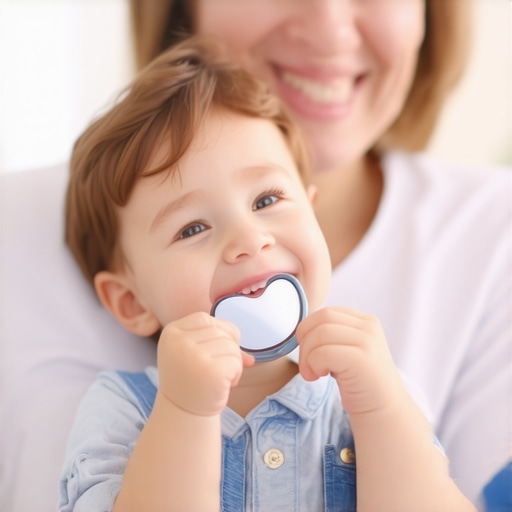
Let Them Control the Thirsty Straw
The biggest fear for kids is the loss of control. During a cleaning, they are lying down with people leaning over them. My breakthrough happened when I asked our dentist if my son could hold the suction for a second. By letting him click the button, he felt like he was part of the team rather than just a patient. This sense of agency is why many parents eventually look into the hidden benefits of invisalign for family dental care in 2025 at 903 am later in life; it’s about choosing a path that feels less invasive and more manageable. When a child feels they have a “stop button” or a job to do, their heart rate drops significantly.
Look for the Stillness Signal
Can your child sit through a full three-minute cartoon without jumping up? That’s my gold standard for readiness. A professional cleaning requires a level of physical discipline that many toddlers simply haven’t developed yet. If they are still at the stage where they wiggle out of your arms during a routine diaper change, a full cleaning will likely end in tears. We want to avoid the situation where you have to learn how to stop your toddler from biting the dentist during an exam. Instead, stay aware of family dentistry trends improving oral health for all ages which suggest keeping visits short—just a quick look and a fluoride swipe—until that stillness starts to emerge naturally.
Use a Mirror to Build Trust
Pick up a small round mirror at the store and start a game of “I Spy” with their teeth. Have your child look at their own molars while you point out where the “sugar bugs” like to hide. This builds a visual connection to their top oral health tips for your family’s bright smiles. When they finally see the hygienist’s mirror, it’s not a foreign object; it’s just a tool they already know. I used this trick to help my son understand why your child needs a dental sealant on their molars. By showing him the deep grooves in his back teeth with the mirror, he understood why the sealant was necessary. This visual literacy helps them feel involved, much like how invisalign myths debunked allows adults to see the clear, predictable path to a straighter smile.Once you move past those early childhood hurdles, the dental journey shifts from “will they sit still?” to “how do we maintain these permanent teeth for a lifetime?” Many parents and patients think that once we reach the stage of restorative care, the hard part is over. I see people treat a dental crown like it is a suit of indestructible armor. In reality, that is the biggest trap you can fall into. While why crowns are a game-changer in restorative dentistry is clear, they are not a “set it and forget it” solution. If you don’t keep the margins—that tiny space where the crown meets your natural gum—immaculately clean, you are just inviting decay to hide under your expensive new tooth. I’ve seen patients lose entire restorations because they assumed the porcelain couldn’t rot. Technically, the porcelain can’t, but the tooth underneath definitely can.
Stop treating crowns like bulletproof armor
Experience has taught me that the “Oops” factor in family dentistry usually happens six months after the procedure. People stop flossing around the crown because it “feels different.” If you find yourself struggling with maintenance, you need choosing the right crown expert advice for long-lasting results to ensure your investment actually lasts twenty years instead of five. The nuance most people miss is that a crown is a partnership between the dentist’s skill and your daily habits. If you skip the floss, you’re essentially building a house on a foundation of sand.
Why does my new crown feel like a mountain in my mouth?
This is the most common advanced question I get. If your bite is off by even a fraction of a millimeter, your brain will perceive it as a massive obstruction. We call this being “high in occlusion.” A study published in the Journal of the American Dental Association (JADA) highlights that proper occlusal adjustment is the single most important factor in the long-term success of dental restorations. If you feel like your tooth is hitting first, don’t just “wait for it to settle.” You need to know what to do when your crown feels taller than your other teeth before you trigger a cycle of inflammation. 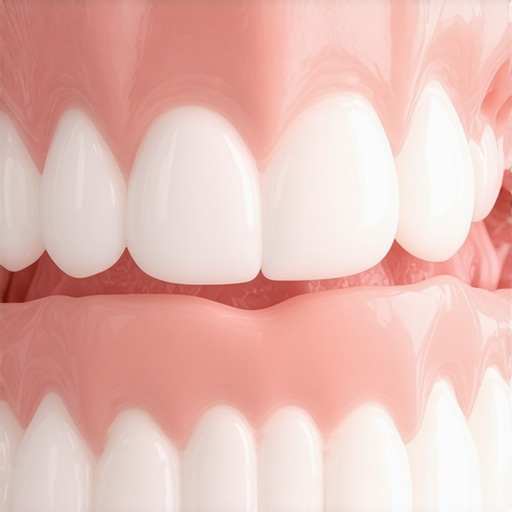
Fix your bite to save your teeth
We often talk about Invisalign as a way to get a “Hollywood smile,” but that is a shallow way to look at modern orthodontics. One of the invisalign myths debunked is that it is purely for looks. In my practice, I use aligners to prevent teeth from chipping and wearing down. When your teeth are crowded or tilted, they strike each other at weird angles, leading to those mysterious “zingers” when you drink cold water or unexpected cracks in your molars. By utilizing the hidden benefits of invisalign for family dental care in 2025 at 903 am, we are actually performing preventative maintenance. It’s about creating a stable environment where your crowns and natural teeth don’t smash into each other with excessive force. This is the real essence of family dentistry secrets maintaining oral health with modern techniques at 254 pm. It is not just about fixing what is broken; it is about engineering a mouth that doesn’t break in the first place. Have you ever fallen into the “it’s just cosmetic” trap with your dental care? Let me know in the comments below!
Why a water flosser is your crown’s best friend
I used to think that traditional string floss was the ultimate gold standard, but then I started working with complex porcelain restorations. Even with the best intentions, those tight contact points between a crown and a natural tooth can be a nightmare to navigate. I switched to recommending a water flosser because it reaches the microscopic gaps that thread simply skips over. If you have been struggling with the logistics of cleaning, learning the trick to using a water flosser without making a total mess will fundamentally change your morning routine. It is especially vital if you are trying to figure out how to clean a dental bridge without those annoying threaders 2. The high-pressure stream does not just move debris; it disrupts the subgingival biofilm that causes the gum inflammation often responsible for crown failure. 
How can I make my dental work last a lifetime?
The secret to longevity is not just in the strength of the brush; it is in the chemical environment of your mouth. I often suggest that my patients monitor their oral pH levels, especially if they are heavy coffee drinkers. If your mouth is constantly acidic, even the most expensive choosing the right crown expert advice for long-lasting results won’t save the underlying natural tooth structure from secondary decay. You need to master top oral health tips for your family’s bright smiles, like rinsing with a neutralizer after every meal. A specific study published in the Journal of Oral Rehabilitation found that even minor discrepancies in occlusal contact—the way your teeth meet—can increase the risk of ceramic fracture by up to 30%. This is why I obsess over the bite; if your teeth do not meet perfectly, the material eventually fatigues. This is where invisalign innovations the future of family dentistry revealed at 1137 am comes into play by aligning those forces correctly before the permanent work is even placed.
The future of your smile looks digital
We are rapidly moving away from the traditional “drill and fill” era into something much more predictive and precise. I predict that within the next five years, 3D printing will be so ubiquitous that we will be printing permanent, high-strength restorations chairside in under twenty minutes. We are already seeing this shift with why finding the best dentistry in culpeper va usually starts with a 3d cbct scan. This technology allows us to see the roots, nerves, and bone density in high-definition three dimensions before we ever touch a tooth. It takes the guesswork out of complex cases and ensures that the hidden benefits of invisalign for family dental care in 2025 at 903 am are maximized for your specific jaw anatomy. If you want to stay ahead of the curve, I challenge you to try one thing this week: swap your manual brush for a high-quality electric one with a pressure sensor and time yourself for a full two minutes. You will be amazed at the difference in how family dentistry secrets maintaining oral health with modern techniques at 254 pm can feel in the comfort of your own bathroom.
What I wish someone told me before my first major dental restoration
Through years of chairside experience and parenting, I have realized that the hardest lesson in oral health is that professional work is a starting line, not a finish line. Many people assume that once a crown is placed, that tooth is protected forever. In reality, you must be even more diligent. If you are noticing the reason your teeth look gray instead of white, it is often a sign of thinning enamel or internal changes that need a professional eye. Another lightbulb moment for me was realizing that my daily habits, like my morning latte, were undermining my dental work. Learning how to keep your smile white while drinking daily coffee is a game changer for anyone invested in their long-term appearance. Finally, I’ve learned that the alignment of your bite is the unsung hero of dental longevity; if your teeth do not meet correctly, the constant pressure will eventually cause even the best restorations to fail.
Tools that actually make a difference in your daily routine
I personally swear by a three-step kit to maintain a healthy mouth for both adults and children. First, a sonic toothbrush with a pressure sensor is non-negotiable to prevent gum recession. Second, a high-quality water flosser is essential for cleaning around dental work, especially once you master the trick to using a water flosser without making a total mess. Third, keep a dedicated routine for when life gets messy; even knowing the best way to clean your mouth when you have the flu can prevent acid erosion during illness. These tools shift your role from a passive patient to an active guardian of your family’s smiles. #IMAGE_PLACEHOLDER_E#
Take the lead on your family’s dental future
Whether you are helping a toddler through their first polish or researching family dentistry trends improving oral health for all ages, remember that consistency beats perfection every time. The goal is to create a positive, proactive environment where dental visits are seen as routine maintenance rather than emergency interventions. By staying informed on the latest techniques and maintaining a rigorous home care schedule, you ensure that your family’s smiles remain vibrant and functional for decades to come. Don’t be afraid to ask your provider the tough questions about long-term maintenance; your future self will thank you for the extra effort today. Have you ever noticed your child acting differently before a dental visit, or have you struggled with a crown that just didn’t feel right? Let me know in the comments below!