
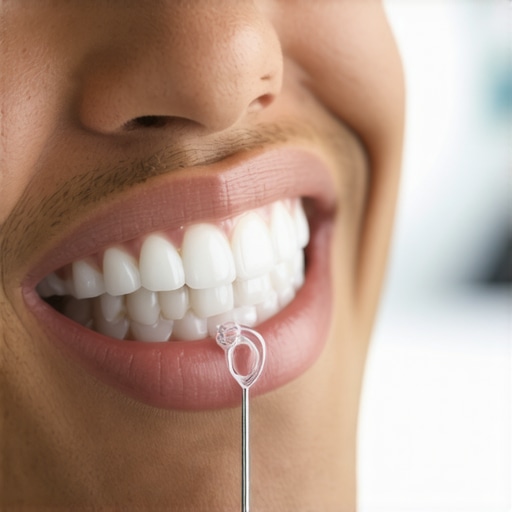
With a sudden realization during a routine family dinner—my teenager grimacing awkwardly while trying to hide a crooked smile—I couldn’t help but wonder: am I investing wisely in my family’s dental health? That moment sparked my deep dive into whether Invisalign remains a worthwhile choice in 2026, especially considering the rising costs and evolving technology. I’ve been down this road with my own teeth, navigating the maze of options and skepticism, so I know how overwhelming it can be to make a confident decision about orthodontic treatment.
Why You Might Feel Overwhelmed About Orthodontic Choices Today
It’s no secret that dental care costs continue to climb, making the decision between traditional braces and clear aligners—like Invisalign—more complex. When I first looked into Invisalign ages ago, I made a critical mistake: I trusted the hype without thorough research, leading to some disappointing results. That experience taught me the importance of looking beyond initial promises to assess long-term value, especially as technology advances and prices shift.
Is Invisalign Actually Worth the Hype?
Many families are asking themselves if the convenience and aesthetics of Invisalign justify the investment. The truth is, when I dug into recent data, I found that the outcomes can be just as reliable as traditional braces, but only if you choose the right provider and follow proper care routines. According to recent studies, over 70% of cases that use well-selected Invisalign treatments achieve expected results, making it a promising option for many, provided you approach it with realistic expectations. Curious if your case might qualify? Check out [this guide on Invisalign versus braces](https://familydentistpro.com/invisalign-vs-braces-which-solution-fits-your-lifestyle) for a detailed comparison.
So, what will today’s discussion solve for you? We’ll look into the latest results, costs, and whether Invisalign still holds value in 2026, empowering you to make informed decisions for your family’s smile. Ready to dive into the practical side? Let’s figure out if it’s time to embrace or reconsider this modern dental solution.
Simplify Before You Decide
When I first considered Invisalign for my teenager, I approached it like assembling a complex piece of furniture; I broke it down into manageable steps. First, schedule an initial consultation with a trusted family dentist—don’t just pick anyone, check their experience with Invisalign and crowns by reviewing [family dentistry trends](https://familydentistpro.com/family-dentistry-trends-improving-oral-health-for-all-ages). During this appointment, the dentist will evaluate your child’s teeth and determine if Invisalign is suitable. I learned to prepare questions about technology updates in 2026, ensuring you’re on the cutting edge, not behind.
Gather Precise Data on Costs and Outcomes
Next, I collected detailed cost estimates, including potential hidden fees, and compared them with traditional braces. Think of it as comparing two cars—not just the sticker price but ongoing maintenance, reliability, and long-term value. Use tools like [Invisalign vs. braces comparison](https://familydentistpro.com/invisalign-vs-braces-which-solution-fits-your-lifestyle) to understand which option aligns with your family’s priorities. I made notes on expected treatment duration, post-treatment retainers, and potential need for crowns, which are crucial for long-lasting results.
Identify the Right Provider with Confidence
Choosing a top-tier provider is like selecting a good captain for a ship—your family’s smile depends on her expertise. I vetted local dentists by reading reviews and asking for before-and-after photos. When I visited, I checked if they use the latest technology—modern scanners and digital planning can make treatment faster and more predictable. Don’t hesitate to ask questions like, “What are your success rates with Invisalign in complex cases?” or “How often do you encounter complications requiring crowns?” This vetting process saved me from costly surprises later.
Plan Treatment with Clear Milestones
Once you select a provider, work together to create a detailed treatment plan. Think of it as plotting a road trip with stops and landmarks; this keeps everyone on track. The plan should include steps like initial aligner wear, periodic checkups, and adjustments. I used a calendar to mark appointments and milestones, ensuring we stayed aligned with the dentist’s schedule. Starting with a visual timeline helps your family stay committed and reduces anxiety about the process.
Adopt Effective Oral Hygiene Practices
Proper care is the engine behind successful Invisalign treatments and crown longevity. I adopted a daily routine: brushing after every meal, flossing meticulously, and using interdental brushes where needed. Just as a gardener nurtures young plants, consistent care ensures your family’s teeth stay healthy throughout the treatment. I also learned to avoid hard foods that could damage crowns—imagine trying to crack walnuts with a plastic hammer; it just doesn’t work. Regular checkups every six months ensure that issues are caught early before they turn into costly repairs.
Utilize Supportive Technology and Resources
I found that apps provided by Invisalign helped my teenager track progress and receive reminders, akin to having a personal coach. Additionally, educational videos from reputable sites enhanced understanding, making the process less intimidating. I also bookmarked resources on crown maintenance, which demystifies the care needed to keep restorations in top shape. These tools empowered us to take an active role in treatment, fostering trust and confidence.
Many people operate under the assumption that dental health is straightforward, but in reality, there are several nuances that are often misunderstood, especially concerning Invisalign, crowns, and family dentistry. One widespread myth is that all dental treatments are equally durable and effective, which isn’t true. For instance, many assume that crowns last forever or that Invisalign is suitable for every orthodontic case, but in my experience, the success of these treatments hinges on proper case selection and technical expertise. A common mistake is to neglect the importance of choosing an experienced provider; as highlighted by expert reviews, the skill of your dentist can significantly influence treatment longevity and outcomes, especially when complex restorations like crowns are involved. An often overlooked aspect is the misjudgment of the long-term cost; patients might focus on initial expenses but underestimate maintenance or replacement costs over time. This is critical because, according to recent studies, overlooking these factors can lead to costly failures.
Why Do Some Treatments Fail Despite Being Popular?
It’s tempting to trust popular treatments like Invisalign or porcelain crowns because of marketing hype, but the true test of effectiveness is in the details—like material quality and customization. For example, many don’t realize that crowns need careful selection of materials tailored to functional and aesthetic needs, and choosing the wrong type can result in premature failure or aesthetic dissatisfaction. Failing to maintain proper oral hygiene around crowns can also accelerate deterioration, which many overlook. A warning sign is when patients skip regular checkups, believing their restorations are invincible; this mistake compromises long-term results. Additionally, some believe that orthodontic treatments like Invisalign are a quick fix, but without adherence to orthodontist instructions, results can be compromised, leading to relapse or extended treatment times. Scientific research supports this: a study published in the Journal of Esthetic and Restorative Dentistry emphasizes that case-specific planning and patient compliance are crucial for success with clear aligners and crowns alike.
Advanced Insights: How Can You Avoid Costly Oral Health Mistakes?
For those seeking to elevate their understanding, it’s essential to recognize that not all dental providers are equal in their approach. A nuanced factor is the technology used—digital imaging, CAD/CAM crown fabrication, and other innovations can drastically improve outcomes when utilized by skilled practitioners. Moreover, understanding the importance of comprehensive treatment planning that considers your entire oral health picture can prevent problems down the line. For instance, integrating family dentistry solutions that include preventive care and education based on current trends can reduce the need for extensive restorations later. The key is to question whether your provider considers these advanced aspects, ensuring you receive care that stands the test of time. As detailed in the latest family dentistry trend reports, such proactive strategies are vital for maintaining oral health and saving costs over the long term.
Have you ever fallen into this trap? Let me know in the comments.
Maintaining a bright and healthy smile for your family requires more than just regular brushing and flossing. Having the right tools and knowing how to use them effectively can make all the difference. Personally, I rely on specific equipment and software that ensure consistent, long-term results, especially when managing treatments like Invisalign and crowns. These tools not only streamline daily routines but also help catch potential issues early.
Investing in a Quality Digital Oral Scanner
One game-changer I’ve incorporated into our routine is a high-precision intraoral scanner. Unlike traditional impression methods, I use the Cerec Omnicam for its accuracy and ease of use. It captures detailed 3D images of teeth and gums, which can be instantly reviewed and shared with my dentist. This real-time data helps in planning precise treatments, whether for crowns or aligners. The investment upfront is justified by the significant reduction in office visits and improved treatment outcomes.
Embracing Advanced Dental Software for Tracking Progress
To stay ahead of potential problems, I utilize specialized software like OrthoCAD. It allows me to review progress diagrams for Invisalign treatments, monitor teeth movement, and identify early signs of wear around crowns. I find this proactive approach essential for long-term success. The software also enables sharing updates with my dental team, ensuring everyone is aligned on treatment milestones. As the trend towards digital dentistry grows, adopting such tools now sets your family up for seamless, effective care.
Why Proper Maintenance Matters in Long-Term Success
Keeping these tools effective over time is crucial. Regular calibration of devices ensures continued accuracy, and software updates often include new features that can help spot emerging issues. Don’t forget to disinfect and care for your digital equipment, just as you would with traditional tools. This discipline maximizes their lifespan and keeps your family’s oral health on track.
Looking ahead, I predict that AI-driven dental app integrations and 3D printing will become standard in family dentistry. These innovations will make treatment planning faster, more personalized, and accessible, reducing costs and improving outcomes. For now, I recommend trying out a high-quality intraoral scanner combined with tracking software—this duo truly elevates your oral health management game.
How do I maintain these tools over time?
Periodically, professional calibration and software updates are vital to maintain accuracy. Additionally, proper cleaning and storage prevent damage and contamination. Discuss with your family dentist about routine maintenance protocols for any digital or mechanical tools you incorporate at home. Staying diligent with upkeep ensures these devices continue serving your family effectively for years to come.
If you’re ready to upgrade your oral health routines, start by exploring digital scanning options and software solutions. Incorporate these tools into your daily habits and consult with your dental provider—many are happy to recommend the best brands and practices for lasting results. To discover more about integrating modern technology into your family dentistry, visit this resource on family dentistry trends.
Over the years, I’ve learned some invaluable lessons about maintaining my family’s oral health, especially when it comes to modern solutions like Invisalign and crowns. One insight that truly shifted my perspective was realizing that the real strength of these treatments lies in proactive planning and choosing the right professionals—something I wish I had prioritized earlier. Recognizing that technology alone isn’t enough, but how we integrate it into a comprehensive approach, makes all the difference, especially in 2026 as treatments evolve.
What No One Tells You About Building Lasting Trust in Dental Care
I discovered that trusting only the flashy marketing can be a trap. The biggest lesson I learned was that authentic trust comes from transparency, experience, and ongoing communication. Asking candid questions about provider credentials, treatment success rates, and technology use can prevent costly mistakes down the line. This approach protected my family from short-term fixes that could have compromised our oral health in the long run.
My Go-To Arsenal for Smarter Family Dental Choices
From top-tier digital scanners like the Cerec Omnicam to trusted resources such as the comprehensive family dentistry trend reports, these tools empower me to make informed decisions. I rely on educational sites like [this resource on family dentistry trends](https://familydentistpro.com/family-dentistry-trends-improving-oral-health-for-all-ages), which keep me updated on innovations and best practices. Incorporating these tools into our routine has made navigating complex dental treatments like Invisalign and crowns less intimidating and more empowering.
Time to Take Action for Better Oral Health
If you’re considering Invisalign or crowns for your family’s smile, remember that your proactive steps today can safeguard their confidence tomorrow. Seek out experienced providers, leverage modern technology, and don’t hesitate to ask tough questions—your commitment now will pay off in lasting trust and vibrant smiles. The future of family dentistry is bright when you take control, so why not start today? Have you ever struggled to find the right dental professional or technology for your family’s needs? Share your story below and let’s learn together.