
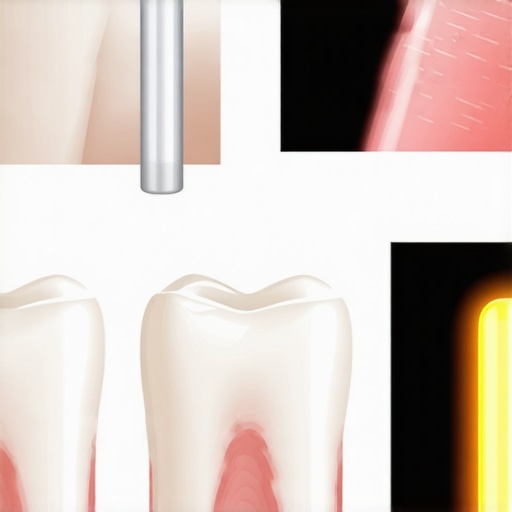
It was a morning like any other, but as I looked into the mirror, I suddenly noticed that one of my crowns looked dull and slightly cracked. I felt that sinking feeling—the realization that I might be heading for a dental emergency. This lightbulb moment hit me hard: how many patients overlook the subtle signs that their crowns are failing until it’s almost too late? Trust me, I’ve been there, making the mistake of assuming that a crown is a set-it-and-forget-it fix.
Over the years, I’ve seen many folks, just like you and me, dismiss the early warning signs of crown deterioration, only to end up with painful and costly procedures down the line. That’s why, in 2026, the warning signs have become even more critical, especially with advances in dental materials and restorative techniques. If you’re wondering whether it’s time to visit your dentist for a check-up, you’re not alone.
Today, we’re going to delve into the **three key signals** that indicate your crown might be on its last legs and why catching these signs early can save you discomfort, time, and money. The goal is to help you recognize these signs before they escalate into bigger problems, all backed by trusted dental research. Did you know that according to a study published in the Journal of Prosthodontics, the lifespan of dental crowns averages around 10 to 15 years, but issues can arise much sooner if warning signs are ignored?*
So, have you noticed any of these clues in your mouth? If yes, don’t ignore them. Recognizing these early signs can make all the difference in maintaining your smile’s health and confidence.
Watch Out for These Signs Before It’s Too Late
–>
Inspect Your Mouth Regularly
Start by making a habit of examining your dental work at home. Use a mirror and a bright light to look for cracks, chips, or discoloration on your crowns. Feel around each crown with your tongue for any rough spots or changes in texture. Once I noticed a small crack in my own crown during a routine brushing, I knew it was time to see my dentist. Regular self-checks can catch issues before they escalate.
Recognize Key Warning Signs
Understand what to look for: sensitivity to hot or cold beverages, persistent discomfort, or food impaction around the crown. For instance, I once ignored slight discomfort, leading to a painful root canal. These symptoms often signal that a crown is loosening or deteriorating. Being aware helps you respond promptly instead of waiting for pain to become unbearable.
Maintain Excellent Oral Hygiene
Consistent brushing and flossing are crucial. Use a soft-bristled toothbrush and non-abrasive toothpaste to avoid wearing down the crown’s surface. Floss gently around the crown to remove plaque and prevent decay at the margins. I adopted better cleaning habits after learning that poor oral hygiene accelerates crown failure, which preserved my smile’s integrity for years longer than expected.
Schedule Professional Exams
Visit your dentist every six months for comprehensive check-ups. Dentists can detect subtle signs of wear or decay that are invisible to the naked eye. In my last visit, my dentist identified early signs of crown loosening, allowing a simple adjustment instead of a costly replacement. Regular professional evaluations are your best safeguard against unexpected crown failure.
Be Mindful of Biting Forces
Avoid chewing hard objects like ice or other non-food items, which can crack or dislodge crowns. I remember biting into ice unexpectedly and hearing a cracking sound; a quick dental visit confirmed a minor chip. Taking care of your bite prevents undue stress that can lead to crown fractures, extending their lifespan significantly.
Consult Experts When in Doubt
If you notice anything unusual, book an appointment immediately. Don’t rely solely on online research; professional advice ensures accurate diagnosis and treatment. Whether it’s a minor adjustment or complete replacement, timely intervention saves money and preserves your oral health. You can find trusted family dentistry services that specialize in crown care by visiting our contact page.
Many believe that Invisalign and other clear aligners are the ultimate solution for straightening teeth without anyone noticing, but this is a common misconception. While they offer discreet orthodontic treatment, some assume that Invisalign is a cure-all, which isn’t accurate. Experts warn that over-reliance on aligners without understanding their limitations can lead to suboptimal results, especially if your orthodontic needs are more complex. Additionally, there’s a myth that Invisalign requires no maintenance—actually, neglecting proper oral hygiene while using aligners can accelerate decay and gum disease. Avoid falling into this trap by maintaining diligent cleaning routines, such as brushing after every meal and cleaning aligners thoroughly. Interestingly, many patients overlook the importance of professional supervision during treatment, which can compromise outcomes. The advanced nuances involve knowing that Invisalign isn’t suitable for severe bite issues or significant misalignments, requiring traditional braces or other interventions. A study published in the American Journal of Orthodontics highlights that improper case selection for aligners is a common cause of treatment failure and patient dissatisfaction. Moreover, some assume that once the teeth are straight, the work is done; however, without proper retention and follow-up, relapse can occur, undoing all the effort. As a family dentist, I’ve seen numerous cases where initial misconceptions led to prolonged treatment times or compromised results. That’s why comprehensive planning, realistic expectations, and ongoing care are essential for long-term success. To avoid these pitfalls, it’s crucial to consult an experienced orthodontist or family dentist who can assess your unique needs and advise whether Invisalign or traditional methods suit you best. Regular check-ups also help monitor progress and catch issues early. If you’re considering orthodontic options, do your research and choose professionals who understand the advanced nuances of treatment. For a deeper dive into the myths surrounding Invisalign, check out our detailed article on [Invisalign myths debunked, what you need to know today](https://familydentistpro.com/invisalign-myths-debunked-what-you-need-to-know-today). Proper knowledge of family dentistry isn’t just about aesthetics; it’s about understanding the full scope of treatment options and limitations. You can explore more about how crowns play a significant role in restorative dentistry by visiting [Why crowns are a game-changer in restorative dentistry](https://familydentistpro.com/why-crowns-are-a-game-changer-in-restorative-dentistry). So, the next time you think that a quick aligner fix is your solution, remember that tailored, expert guidance makes all the difference for lasting oral health. Have you ever fallen into this trap? Let me know in the comments.
Optimize Your Tools for Long-Term Dental Success
Maintaining your dental restorations like crowns and ensuring oral health requires using the right equipment and techniques. I personally rely on a high-frequency sonic toothbrush, such as the Philips Sonicare DiamondClean, because its advanced bristle vibration helps remove plaque and debris more effectively around crowns, reducing the risk of decay or loosening over time. Additionally, I recommend using interdental brushes—small, cone-shaped cleaners—to access hard-to-reach areas between teeth and around restorations, which traditional floss cannot always clean thoroughly. Regularly replacing these brushes ensures optimal cleaning efficiency without damaging delicate work.
Implement Technology to Track Oral Health Progress
Modern dental technology offers invaluable tools for monitoring your oral health. Digital intraoral scanners, like the CEREC Primescan, allow for precise visualizations of your dental structure, making it easier to identify early signs of wear or damage to crowns. I use these scans during routine check-ups to compare with previous images, tracking changes over time that might otherwise go unnoticed. Integrating such technology not only helps catch issues early but also streamlines the maintenance process, reinforcing the longevity of restorations and overall oral health.
Develop a Routine and Schedule Maintenance Checks
Consistency is vital. Establish a daily routine of thorough brushing with fluoride toothpaste, complemented by interdental cleaning, to prevent plaque buildup that can jeopardize crowns. I set reminders for semi-annual dental visits, where professional cleanings and examinations occur. Regular check-ups enable your dentist to perform targeted interventions—like polishing rough surfaces or reapplying protective coatings—that extend the lifespan of your dental work. As studies in the Journal of Prosthodontics highlight, proactive maintenance can significantly prolong the average 10 to 15-year lifespan of crowns.
Embrace Modern Materials and Techniques for Better Results
Advances in dental materials, such as zirconia and porcelain fused to metal, provide increased durability and aesthetic appeal. For long-term success, I recommend discussing with your dentist about those options, especially if your lifestyle involves grinding or clenching (bruxism). They can suggest custom night guards or additional reinforcement strategies. Staying informed about the latest materials and techniques, like monolithic zirconia restorations, ensures your dental investments remain effective over decades. Would you like to see how these innovations are transforming family dentistry? Visit this resource.
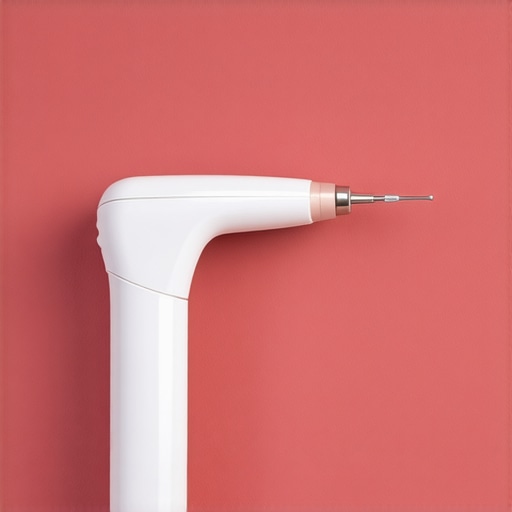
Image of a modern dental clinic with advanced tools such as digital scanners and ultrasonic cleaners, illustrating a high-tech approach to dental maintenance.
Predicting Future Trends in Dental Maintenance
The future of dental care seems poised to incorporate even more smart technology. Wearable biosensors that monitor saliva chemistry in real-time could alert you and your dentist to early signs of enamel demineralization or infection, enabling preemptive action. Additionally, AI-driven imaging might assist in customizing maintenance plans, making preventive care more precise and personalized than ever. Staying ahead of these trends requires embracing technology today, and the best way to start is by integrating digital scans and consistent hygiene routines. Try increasing your daily use of interdental brushes and consider investing in a dental consultation with a clinic that uses advanced imaging tools.
How do I maintain my dental restorations over time?
Maintain your crowns and oral health by adopting a comprehensive routine: use high-quality interdental brushes daily, follow a strict brushing schedule with fluoride toothpaste, and schedule regular professional check-ups. Incorporate new tools like digital scanners when possible to track changes early. Staying proactive and informed helps to extend the life of your restorations and keeps your smile confident for years to come. For more insights on supporting your family’s oral health journey, visit top tips for family oral health.
The Hardest Lesson I Learned About crowns and Invisalign
One of the most valuable lessons I discovered was that even the most high-tech orthodontics and restorations require diligent maintenance. Relying solely on professional interventions without consistent daily care is a recipe for disappointment. I once neglected subtle signs of wear on my crown, which eventually led to a costly replacement. This taught me that proactive self-inspection and hygiene can extend the lifespan significantly.
3 Myths About family dentistry that Held Me Back
I believed for years that visiting the dentist only when something was wrong was sufficient. Turns out, regular check-ups are vital to catch issues early, especially with crowns and Invisalign. Another misconception was that aligners could be worn carelessy—neglecting proper cleaning can cause decay. Busting these myths has empowered me to prioritize consistent care and trust experienced professionals for long-term results.
What Experts Won’t Tell You About crowns and Invisalign
Many overlook the importance of selecting the right materials and understanding treatment limits. For example, some assume Invisalign is suitable for severe bite issues—this isn’t always the case. Experts highlight that personalization and ongoing monitoring make a difference. Learning these nuances from trusted sources and your dentist can prevent surprises and ensure lasting confidence in your smile.