
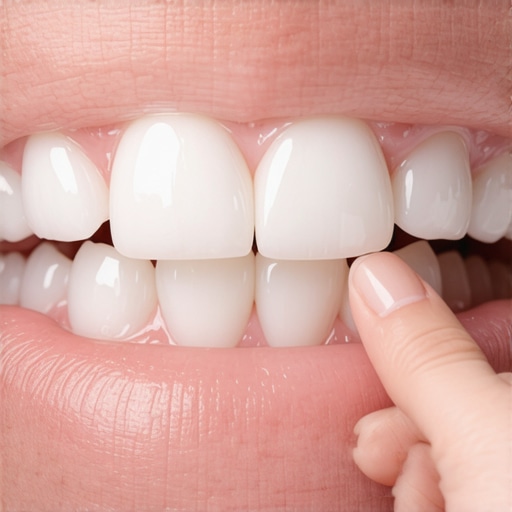
I remember the moment vividly—a sharp, unexpected pain in my mouth that made me sit up straight at my desk. It wasn’t just discomfort; it was a lightbulb moment. Turns out, even a small crack in a dental crown can turn into a big headache if left unnoticed. As someone who’s navigated the ups and downs of dental care, I know how easy it is to overlook subtle signs that your crowns are ready for a replacement. But ignoring these clues can lead to more complex—and costly—problems down the line.
Why Staying Alert About Your Crowns is More Important Than Ever
Dental crowns are marvels of modern dentistry, offering a durable solution for damaged or decayed teeth. However, they aren’t invincible. With advances in materials and techniques, crowns can last anywhere from 5 to 15 years, but only if you maintain them properly and catch early signs of wear or failure. As we approach 2026, knowing what to look for becomes crucial, especially since some signs can be subtle but serious.
Did you know that according to recent studies, nearly 20% of dental crown failures are caused by unnoticed cracks or decay beneath the crown? This is why being proactive can save you a lot of discomfort and expense. I made the mistake early in my dental journey of ignoring minor chips and sensitivity, believing they were trivial. That misstep taught me the value of vigilance—and that’s what I want to share with you today.
Are you aware of the signs that might signal your crowns are nearing the end of their lifespan? If not, don’t worry—you’re not alone. Many people only realize their crowns need replacing when they experience pain or visible damage. The good news is, recognizing these warning signs early can make all the difference.
In the next sections, I’ll walk you through the top five signs that your dental crowns are due for a check-up or replacement. Trust me, catching these signs early can preserve your smile and save you from unnecessary discomfort. Curious if you’ve already faced some of these symptoms? Keep reading—your future self will thank you.
Perform a Visual Inspection Regularly
Start by routinely examining your mouth in a mirror for visible damage like cracks, chips, or discoloration. During my recent check, I noticed a tiny crack on my crown that I had dismissed as trivial. That prompted an immediate appointment, preventing further issues. Make it a habit to look for changes after brushing, and don’t ignore any abnormalities.
Pay Attention to Sensitivity and Discomfort
If you experience increased sensitivity to hot, cold, or sweet foods, it might indicate decay or a compromised crown seal. For example, I once felt a sudden sharp pain when drinking ice water. I scheduled my dental check-up promptly, which revealed a crack allowing temperature sensitivity. Keep track of persistent discomfort and consult your dentist if symptoms arise.
Monitor for Changes in Bite or Speech
Notice if your bite feels uneven or if your speech seems affected—these can be subtle signs of crown deterioration. I once realized my bite felt slightly off after chewing gum, which led me to get checked. Misaligned crowns or gaps can cause uneven wear and should be addressed quickly.
Check for Visible Decay or Discoloration
Look for dark spots or discoloration around the edges of your crowns, which may suggest decay beneath. During my routine care, I observed a faint dark line near a crown’s margin. This was a sign to visit my dentist sooner rather than later. Prompt detection helps prevent the decay from spreading or damaging the underlying tooth.
Schedule Routine Dental Check-Ups
Regular professional exams—ideally every six months—are crucial for early detection. Your dentist can use special tools and X-rays to spot issues invisible to the naked eye. I learned this the hard way when small problems went unnoticed until pain or damage became obvious. Schedule your check-ups via this contact page to stay proactive.
Understand When Immediate Action is Needed
If you notice significant pain, a knocked-out crown, or extensive damage, seek dental care immediately. Don’t delay, as these signs can lead to infection or tooth loss. In my experience, quick response saved my tooth from extraction. Keep emergency contact info handy and don’t hesitate to visit your trusted family dentist for urgent concerns.
Many patients assume they fully understand the ins and outs of procedures like Invisalign, dental crowns, and general oral health. However, misconceptions persist—sometimes leading to costly mistakes. For instance, a widespread myth is that Invisalign is only for cosmetic alignment, but in reality, it can correct complex bite issues, significantly improving oral function and health, as highlighted in recent research. Similarly, many believe crowns are a temporary fix, yet with proper care and understanding of advanced materials, they can last over a decade. One common oversight is underestimating the importance of biannual check-ups, where subtle issues like hidden decay beneath crowns or early misalignments are detected before major problems develop. Overlooking these nuances often results in preventable failures, such as unnoticed cracks or improper crown fit, which can cause discomfort or further dental deterioration. In my experience, the biggest trap is assuming that standard brushing suffices for long-term crown health; however, specialized cleaning protocols and the use of interdental brushes can prevent decay at the margins. A tip for advanced readers: understanding the biomechanical forces involved in crown longevity can inform better restoration choices—something your dentist deeply considers when recommending materials or techniques, as discussed in this resource. Moreover, many underestimate how family dentistry is evolving beyond routine cleanings. Today, it encompasses preventive strategies tailored for all ages, leveraging new technologies to foster lifelong oral health, detailed in this article. Recognizing these subtle differences and avoiding common pitfalls can make a profound difference in your dental journey. Have you ever fallen into this trap? Let me know in the comments.Maintaining the longevity of your crowns and Invisalign treatments requires more than just good oral hygiene; it involves using the right tools and adopting effective methods. One essential component I rely on is a **proxibrush**, a small, tapered interdental brush that reaches difficult spots around crowns and braces. Regular use of a proxibrush helps remove plaque buildup at the margins, preventing decay beneath restorations and around Invisalign attachments. I personally find that incorporating this into my daily routine significantly extends the lifespan of my dental work.
Another tool I swear by is a **water flosser**, such as the Oral-B Water Flosser. Unlike traditional floss, water flossers can dislodge debris effectively from beneath crowns, implants, and around braces, reducing the risk of gum disease and decay. I recommend setting the water pressure to a gentle but firm level to avoid damaging sensitive tissues while ensuring thorough cleaning.
In terms of software, digital scanning tools like the **CEREC** system allow dentists to create highly precise crowns and overlays. From my experience, choosing a provider who utilizes such technology ensures a perfect fit, reducing the need for adjustments and reworking. This technology also shortens appointment times, making it more convenient to maintain ongoing dental health.
For at-home care, I recommend combining these tools with a **fluoride rinse**, especially one containing stannous fluoride, which strengthens enamel and helps protect against decay at vulnerable margins. Wearing a custom nightguard, if recommended by your dentist, also plays a crucial role in protecting your restorations from nightly grinding forces.
Looking ahead, advancements in biocompatible materials and digital diagnostics are poised to further enhance long-term results. Research suggests that integrating AI-powered monitoring systems could soon alert patients to early signs of deterioration or decay via smartphone apps, enabling preemptive care rather than reactive treatments. Such innovations will empower patients to take more control over their oral health.
**How do I maintain my crowns and Invisalign over time?** Implementing specialized tools like proxibrushes and water flosser, combined with regular professional evaluations, forms the backbone of effective long-term maintenance. Remember, investing in these strategies now can save you from costly repairs later. I encourage you to try using a water flosser daily, as it’s a simple yet impactful step toward preserving your smile.
To learn more about advanced crown maintenance techniques, check out this detailed guide. Consistent care with the right tools not only improves your oral health but also builds confidence in your smile for years to come. Whether you’re managing crowns or Invisalign, staying proactive with your maintenance routines is essential for lasting success.
The Hardest Lesson I Learned About maintaining crowns and Invisalign in family dentistry
One of the most profound realizations I’ve had is that consistent vigilance is essential to long-term dental health. Even the smallest signs of wear or discomfort can be indicators of underlying issues that, if ignored, might compromise your smile and wallet. The early days of my journey taught me that trusting routine check-ups and remaining alert to subtle changes can prevent more complicated, costly problems. Ignoring these signs often leads to unnecessary pain and frequent replacements, which could have been avoided with a proactive approach.
Tools and tips that truly made a difference in my oral health journey
From my own experience, incorporating specific tools such as interdental brushes and water flossers significantly extended the lifespan of my crowns and Invisalign. I also found that seeking providers who utilize advanced digital systems like CEREC ensures a precise fit and quicker turnaround. Staying informed through trusted resources, like detailed guides on choosing the right crowns or latest family dentistry trends, empowers me to make smarter decisions for my family’s oral health. These resources provide insights that go beyond generic advice, offering strategies tailored to real-world needs.
Emotional sparks that keep me motivated to stay ahead of dental issues
What drives me is the desire to maintain confidence in my smile and the health of my loved ones. Seeing tangible improvements when I adopt new practices or tools energizes my commitment. I remind myself that each small step, like scheduling regular check-ups or refining my daily cleaning routine, compounds into a lifelong benefit. The pleasure of sharing healthy smiles with my family and knowing I’ve taken proactive measures fuels my dedication to ongoing oral care.