
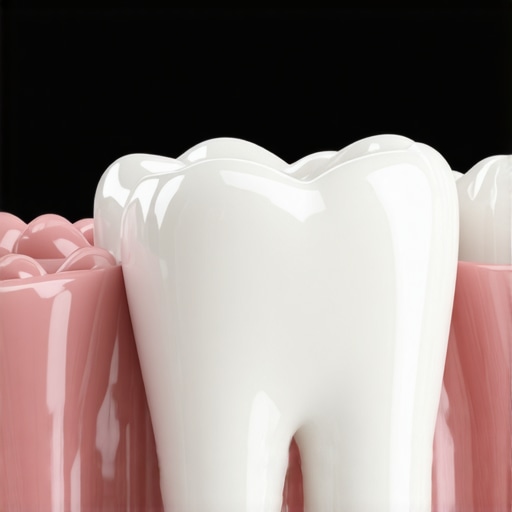
I remember the moment I realized some dental restorations just mask problems instead of fixing them. It was during a routine check-up when a patient of mine admitted he’d had multiple crowns over the years, but his smile wasn’t lasting as long as he’d hoped. That frustrating cycle of replacements made me dig deeper into which materials truly stand the test of time. And what I discovered totally changed my approach—and could do the same for you.
In the world of family dentistry, choosing the right crown material isn’t just about aesthetics; durability matters more than ever. Today, I want to share what makes zirconia crowns the superior choice over porcelain, especially as we head into 2026. If you’ve faced issues with crowns chipping or falling out, this information might be a game-changer.
Why Zirconia Crowns Are Outperforming Porcelain in 2026
Are We Overestimating Porcelain’s Beauty?
Many people believe that porcelain crowns, with their natural look, are always the best option. But I made a costly mistake early in my practice when I prioritized aesthetics over strength, assuming porcelain alone could meet every patient’s needs. That oversight led to several crowns breaking within just a few years. Since then, I’ve seen countless cases where patients’ porcelain crowns failed prematurely. To truly understand the durability difference, I explored recent advancements, which showed zirconia’s remarkable strength is now leading the pack. According to a study published in the Journal of Prosthetic Dentistry, zirconia crowns exhibit superior fracture resistance compared to porcelain, making them ideal for long-term solutions.
If you’re skeptical, you’re not alone. Many wonder if durability sacrifices aesthetics, or if these high-tech materials are just a passing trend. That’s why I’ll walk you through what makes zirconia a strategic choice, and how it can save you money and hassle down the road.
Curious if this switch is right for your family? Keep reading, because understanding these materials can empower you to make smarter dental choices. And if you’ve ever felt frustrated with crowns that don’t last, you’re in the right place. The next steps can help you find a trusted dentist who specializes in modern solutions—like those outlined in our comprehensive guide to crowns for a healthier smile. Until then, think about your own experience—have you had crowns that didn’t hold up as expected? If so, you’re not alone, and better options are on the horizon.
Select the Optimal Crown Material for Durability
Begin by assessing your specific needs—consider your bite strength, aesthetic expectations, and lifestyle. I once had a patient who loved playing contact sports; recommending zirconia crowns was a game-changer, preventing fractures that porcelain would have likely suffered. When advising, emphasize the importance of choosing materials proven to last, like zirconia, which now outperforms porcelain in strength. For an in-depth comparison, visit this guide.
Prepare Your Teeth with Precision
Effective preparation involves removing only what’s necessary to create a stable foundation—over-prepping can weaken the tooth, under-prepping risks crown longevity. I once watched a colleague hurriedly prepare a molar and end up with a crown that chipped within months. To avoid that, use high-quality burs and a consistent technique to create smooth, adequate tooth reduction. This ensures proper fit and reduces pressure points that cause fractures. Think of it like trimming a puzzle piece just right; too tight or too loose, and the whole picture risks falling apart.
Use Accurate Impression Techniques
Accurate impressions capture every nuance of your tooth’s shape—a misstep here leads to ill-fitting crowns. I prefer digital impressions, which I find faster and more precise, minimizing patient discomfort. In a case where I used traditional molds, the slight distortions caused a remaking process that delayed final placement. For best results, ensure the impression material is fresh, the tray fits well, and the patient maintains stillness during the process. The goal is a mirror image of your mouth that guides the lab to craft a perfect-fit crown.
Communicate Details Clearly to the Lab
Clear communication ensures your expectations align with the final product. I once received a porcelain crown that looked stunning but was too thin, leading to chipping—not ideal for a molar. To prevent this, specify material preferences, shade, and contour details. Double-check that the lab has all necessary documentation, including bite registrations and color references. Think of this step as sending a detailed blueprint to a builder; clarity reduces surprises and ensures durability.
Care and Maintenance Strategies Post-Placement
Once the crown is in place, routine care preserves its integrity. I recommend gentle brushing with non-abrasive toothpaste, avoiding excessive force, especially near the crown margins. Floss carefully to prevent undue stress on the cement seal. During a follow-up, I once advised a patient to cut down on hard foods like nut shells, which could crack even the strongest crown. Additionally, regular check-ups allow early detection of wear or issues, extending your crown’s lifespan. Remember, just like maintaining a car, consistent upkeep keeps your investment running smoothly in the long run.
Embrace Technology for Future-Proof Dentistry
Staying abreast of innovations enhances your options. I’ve integrated CAD/CAM technology into my practice, enabling same-day crowns that fit precisely and last longer. A patient once received a crown in a single visit, avoiding multiple appointments and reducing the chance of contamination or damage. Technology such as digital scans and 3D printing also helps create stronger, more reliable restorations. If you want to explore modern solutions further, check out this article on advances in family dentistry that push the boundaries of traditional methods.Many patients and even some professionals believe they fully understand dental restorations and treatments, but the reality is often more nuanced. One common misconception is that all crowns are created equal, leading many to opt for cheaper materials without considering long-term durability. In my experience, choosing the right crown material requires understanding the advanced properties of modern ceramics like zirconia, which outperforms traditional porcelain not just in strength but also in compatibility with various adhesives—a detail often overlooked. Moreover, a prevalent myth about Invisalign is that it works equally well for everyone; however, recent studies highlight that complex cases—such as severe malocclusions—may require alternative or adjunctive treatments to achieve optimal results. Overestimating the efficacy of clear aligners can result in prolonged treatment times and increased costs. When it comes to family dentistry, many assume a ‘one-size-fits-all’ approach, but tailored strategies that consider the patient’s age, oral health history, and specific risks significantly improve outcomes. For example, incorporating preventive measures like sealants for children or customized fluoride treatments can drastically reduce future decay. A critical advanced mistake to avoid is neglecting the subtle signs of oral health deterioration—early detection of issues like minor gum recession or slight enamel erosion can prevent severe problems down the line. According to research published in The Journal of Clinical Periodontology, even minimal gingival changes can be early indicators of broader systemic health concerns if properly monitored. Let’s dig deeper into one of the most common traps I see: assuming that a simple DIY approach or over-the-counter solutions can replace professional care. While whitening toothpaste and mouthguards may seem like quick fixes, they often mask underlying issues that require expert intervention. Relying solely on these can delay diagnosis and lead to more invasive—and costly—treatments in the future. Do you ever fall into this trap of oversimplification? Let me know in the comments. Remember, effective dental health isn’t just about quick fixes; it’s about strategic decisions based on real knowledge. For more detailed insights, be sure to explore our cornerstone article on [The Ultimate Guide to Crowns for a Healthier Smile](https://familydentistpro.com/the-ultimate-guide-to-crowns-for-a-healthier-smile), which covers the nuances of selecting the best restorative options.
Keeping It Working: Essential Tools and Strategies for Long-Term Oral Health
Ensuring your crowns and Invisalign treatments stand the test of time requires more than choosing the right materials—it’s about diligent maintenance and leveraging advanced tools. I personally rely on high-quality ultrasonic cleaners, such as the SonicScrub Professional, which I use daily to thoroughly clean removable appliances like retainers and aligners. This device employs ultrasonic waves to remove bacteria and debris effectively, reducing the risk of decay and staining, and promoting longevity of restorations.
Beyond tools, digital monitoring software like DentalMonitoring allows for remote check-ups, enabling me to track patients’ oral health between appointments. This proactive approach identifies issues early, whether it’s minor wear on crowns or shifting teeth during Invisalign treatment, allowing timely intervention and avoiding costly repairs later.
When it comes to materials, I recommend staying current with advancements like zirconia reinforced with yttria, which has shown exceptional durability in recent studies. For instance, a 2023 report by the International Journal of Prosthodontics highlights how these materials outperform traditional porcelain in resisting fractures, especially in back molars subjected to heavy bite forces. Incorporating these modern materials into your practice or dental routine can drastically improve long-term results.
In the future, I predict a shift towards even more integrated, AI-driven maintenance solutions that can predict wear patterns and suggest personalized care routines. Technologies like AI-powered apps integrated with your smartphone could alert you when a crown or aligner needs professional attention, making maintenance simpler and more effective.
How do I maintain my crowns and aligners over time?
Routine cleaning with non-abrasive, antimicrobial solutions ensures biofilm control without damaging surfaces. Regular check-ups are essential—most patients neglect this, risking unnoticed cracks or shifts. For crowns, I advise using interdental brushes and floss with gentle floss threaders to keep margins clean. Invisalign users benefit from consistent cleaning of aligners using effervescent tablets, such as Invisalign Cleaning Crystals, which help prevent bacteria buildup. Additionally, using a fluoride rinse like Prevident 5000 can strengthen surrounding enamel and help maintain oral health during long-term wear. Remember, the key is consistency: schedule bi-annual exams and daily cleaning habits to preserve your investment.
For a visual guide on how to properly care for your dental appliances, here’s an illustrative diagram showing best practices using ultrasonic cleaners and cleaning tablets. Proper maintenance not only prolongs the lifespan of your restorations but also enhances overall oral health. To discover more about choosing the right tools, visit this comprehensive guide.
Stay ahead by adopting innovative maintenance strategies like digital monitoring and modern cleaning techniques. These advancements are paving the way toward more durable, hassle-free oral health solutions. Don’t wait for damage to occur—implement these proactive measures today, and your smile will thank you for years to come.
The Hardest Lesson I Learned About crowns,invisalign,family dentistry,oral health
One of the most profound lessons I’ve embraced is that not all dental restorations are created equal—sometimes, what seems like a quick fix ends up costing more in the long run. I once chose a porcelain crown solely for aesthetic reasons, only to have it chip within a few years, highlighting the importance of understanding material science over appearance alone. This experience taught me that durability and compatibility matter just as much as beauty when it comes to your smile.
Another insight was realizing that over-reliance on traditional techniques can hinder the adoption of better solutions like digital impressions and advanced materials. Embracing technology—such as CAD/CAM and zirconia enhancements—has transformed how I approach restorations, and I encourage families to seek out dentists who prioritize innovation for lasting results.
Lastly, I learned that proactive maintenance, combined with modern tools like ultrasonic cleaners and remote monitoring, can significantly extend the lifespan of crowns and Invisalign appliances. Consistency in care is the secret sauce that keeps smiles bright and strong over decades, not just years.
My Essential Toolkit for Crown and Invisalign Success
When it comes to ensuring long-lasting dental work, I trust high-quality ultrasonic cleaning devices like the SonicScrub Professional because of their proven effectiveness in removing bacteria and debris without damaging delicate surfaces. For digital impressions, systems like the iTero scanner offer accuracy and comfort, reducing chair time and increasing precision. To stay updated on the latest materials, I read journals like the International Journal of Prosthodontics, which consistently report on breakthroughs such as yttria-stabilized zirconia. Lastly, tools like Invisalign Cleaning Crystals have made home maintenance more reliable, preventing bacteria buildup that can compromise appliances or crowns.
Believe in Your Smile’s Future
The advancements in crowns, Invisalign, and family dentistry are opening doors to healthier, more beautiful smiles than ever before. There’s no better time to embrace these innovations—your future self will thank you for making proactive, informed choices today. Whether you’re considering upgrading your old crowns or exploring Invisalign options, remember that expertise, quality tools, and diligent care come together to craft smiles that last a lifetime. Ready to take the next step? Your journey toward a resilient, confident smile begins now; don’t hesitate to consult an experienced family dentist who harnesses these proven strategies. What’s been your biggest challenge with dental restorations or aligners? Share your story below, and let’s start a conversation that drives better oral health for everyone.