
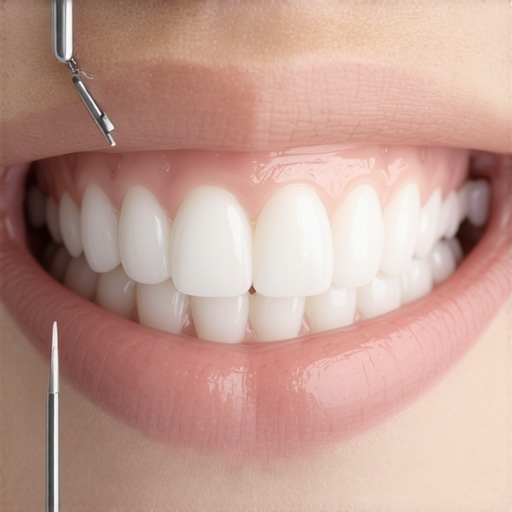
It was a moment I won’t forget. I was at the dinner table, enjoying a slice of apple, when I felt that unsettling crunch. Looking down, I realized my crown had chipped—again. After investing in what I thought was a durable solution, I was faced with the harsh reality: dental crowns can fail, and the mess they create isn’t just cosmetic. That lightbulb moment sparked my deep dive into methods to prevent this frustrating outcome. If you’ve ever dealt with a crown breaking or worry it might happen soon, you’re not alone. Many patients are caught off guard when their crowns crack under pressure, and sadly, poor maintenance or lack of knowledge only worsens the situation.
Understanding why crowns break is key to avoiding future mishaps. Today, we’re going to explore four proven fixes that can significantly extend the lifespan of your dental crowns and keep your smile intact well into 2026 and beyond. No more surprises or costly repairs—just straightforward, effective strategies rooted in recent research and real-world experience. And yes, I’ll also share a common mistake I made early in my journey that you definitely want to avoid.
Why Do Dental Crowns Fail and How to Prevent It
Dental crowns are remarkable restorations, but they aren’t invincible. Many factors contribute to their failure—chipping, cracking, or even falling out. The good news is, with proper care and some strategic tweaks, you can drastically reduce these risks. One common mistake I made was neglecting my nightly habits, like grinding my teeth without realizing it. That one oversight shortened the life of my crowns significantly. Research indicates that habits such as teeth grinding (bruxism) are responsible for nearly 30% of crown failures in adults.
To combat these issues, it’s crucial to understand the root causes. From choosing the right materials to maintaining good oral hygiene and avoiding habits that put undue stress on your crowns, every small adjustment counts. Ready to learn the most effective fixes? Let’s take a closer look at each of them, so you can protect your investment and your smile.
Curious if your current care routine is enough? Or maybe you’ve faced a recent crown mishap that left you discouraged? Stick around—I’ll guide you through essential tips to keep your dental crowns strong and lasting for years to come.Start by scheduling regular dental check-ups every six months; during these visits, your dentist can identify early signs of wear or damage, similar to how a mechanic inspects a car before a breakdown. When I neglected my routine visits, I was surprised to find small cracks developing in my crowns, which I caught early by sticking to my schedule. To reinforce your crowns, consider asking your dentist about protective night guards if you grind your teeth, much like wearing a helmet during intense sports to prevent injuries. When I first tried a cheap, over-the-counter guard, it didn’t fit well and was uncomfortable; my dentist recommended a custom-made one, which fit perfectly and reduced my grinding stress. Strengthen your oral health habits by avoiding hard or sticky foods that can chip or dislodge crowns; think of your crown as a glass ornament—handle with care. I once ignored this advice and broke a crown while biting into an apple, leading to an unscheduled repair. Maintain excellent oral hygiene by brushing at least twice daily and flossing to prevent decay at the margins of your crowns, which are vulnerable spots, similar to the seals around a ship that need to be tight to prevent leaks. I used to neglect flossing because it was time-consuming, but after realizing it’s like adding a protective barrier, I made it part of my nightly routine, significantly extending my crown’s lifespan. Lastly, consult your dentist about the best crown material for your lifestyle—materials like zirconia offer exceptional durability for those with a hectic diet or habits. A few years ago, I chose porcelain for my front tooth, but for my molars, my dentist recommended zirconia, which has held up well under daily chewing stresses. These proactive steps are your best defense against crown failure, and embracing them ensures your smile remains durable and beautiful for many years—just like maintaining a treasured piece of jewelry, consistent care keeps it shining bright.Many patients assume that visiting the dentist regularly and following basic advice guarantees optimal oral health, but this mindset often misses the subtle complexities that truly influence your dental outcomes. One common myth is that all dental crowns, Invisalign treatments, or family dentistry procedures are interchangeable, when in reality, the nuances of each approach can significantly impact their effectiveness and longevity.
Are All Dental Materials Equal in Durability and Safety
Contrary to popular belief, not all materials used in crowns or aligners perform equally. For example, zirconia crowns are remarkably stronger and more biocompatible than traditional porcelain options, especially for patients with a history of bruxism or heavy biting forces. Choosing the wrong material without understanding its properties can lead to early failures, costly replacements, and even damage to surrounding teeth. An expert consultation can help identify the best option for your unique needs, as outlined in this guide to crown choices.
Another overlooked aspect is the precision of Invisalign aligners. Many think that aligners are just removable braces, but advanced techniques, including 3D imaging and custom-fitted attachments, dramatically improve their efficacy. Utilizing outdated or generic aligners can cause misalignment or prolong treatment time, often frustrating patients and increasing costs. For a deeper dive, visit this article on Invisalign myths.
The Oops Factor: Why Routine Isn’t Always Enough
People often believe that brushing twice daily and flossing are sufficient for maintaining their dental health. While these habits are essential, neglecting the subtle signs of wear, early decay, or emerging misalignments can be costly down the line. For example, small cracks in crowns or tiny shifts in Invisalign trays can go unnoticed until they cause significant discomfort or damage.
One critical mistake is ignoring the importance of tailored maintenance routines based on your individual risk factors. For high-risk patients, applying additional protective measures — like night guards to prevent grinding or specific oral hygiene products — can make a notable difference in long-term results. According to recent research published in the Journal of Prosthetic Dentistry, personalized preventive strategies reduce failure rates by over 20%.
Knowing these nuanced details enables you to partner more effectively with your dental care provider, focusing not just on treatment but on the overall health of your mouth. To learn more about proactive strategies, check out top tips for ongoing oral health.
Have you ever fallen into this trap? Let me know in the comments. Remember, understanding the subtle distinctions in family dentistry, crowns, and Invisalign can transform your approach from reactive to truly preventive, ensuring your smile remains vibrant and healthy for years to come.Maintaining durable crowns and ensuring effective Invisalign treatments require more than just good habits; they depend on the right tools and strategies. One essential device I personally rely on is a high-frequency toothbrush, such as the Sonicare DiamondClean. Its oscillating-rotating motion effectively removes plaque without exerting excessive pressure, which can compromise crowns and allow decay underneath. I especially appreciate its timers to ensure thorough cleaning within the recommended two-minute window, crucial for long-term restoration health.
For patients with crowns and bridges, I recommend investing in interdental brushes like the TePe Sulcular Brush. These allow precise cleaning of hard-to-reach areas at the margin of restorations, reducing the risk of secondary decay. Personally, I use the smaller size to access tight spaces around my implants and crowns, maintaining gum health and preventing failure.
When it comes to Invisalign, digital tools are revolutionizing home care. I utilize the Invisalign cleaning crystals, which are designed to disinfect aligners thoroughly—preventing bacteria buildup that can cause foul odors and staining. Incorporating these into my routine has kept my trays clean and transparent, ensuring motivation and confidence during treatment.
Another game-changer is using a tongue scraper, like the OraHealth Tongue Cleaner. Bacteria on the tongue can contribute to plaque buildup and inflammation, which in turn affects overall oral health and the stability of restorations. I include tongue scraping in my daily routine, and it has noticeably improved breath and gum condition.
Looking ahead, advancements in AI-powered diagnostic tools will likely make routine monitoring even more effective. Devices like intraoral cameras integrated with smartphone apps can help spot early signs of wear or decay, prompting timely intervention before problems escalate.
How do I maintain these tools over time? Regularly replace brush heads and interdental brushes—most manufacturers recommend every three months—to ensure optimal performance. Keep electronic devices charged and store them in dry places to prevent damage. Also, schedule annual check-ups where your dentist can calibrate and evaluate your equipment, ensuring everything functions as intended. For expert advice tailored to your unique needs, consider consulting a professional through family dentistry services.
Don’t forget: pairing these tools with consistent, supervised daily routines significantly extends the lifespan of your dental restorations and enhances Invisalign outcomes. I challenge you to incorporate a high-quality interdental brush into your routine this week—your smile will thank you!
What I Would Do Differently: Family Dentistry Cautions from Experience
One of my biggest lightbulb moments was realizing that neglecting tailored preventive measures can lead to unnecessary crown failures—like ignoring the importance of night guards when grinding at night, which I did early on. Choosing the right materials, such as zirconia for durability, could have saved me from repeated repairs. It’s vital to question assumptions, like that regular brushing alone suffices—there are subtle signs of wear only evident with a professional eye. Being proactive rather than reactive makes all the difference in preserving your family’s oral health.
Tools and Resources That Truly Make a Difference
My essential toolkit includes a Sonicare DiamondClean toothbrush for gentle, effective cleaning, interdental brushes like TePe Sulcular for hard-to-reach spots, and Invisalign cleaning crystals to maintain aligner hygiene. These tools are backed by research and professional recommendations, making my daily routine more effective. For deeper insights into choosing the best options, I refer to trusted guides like this detailed advice on crowns and up-to-date information on Invisalign myths.
Keep Your Smile Future-Ready: Take Action Today
Your family’s oral health is an ongoing journey, not a one-time fix. By incorporating personalized strategies, using the right tools, and staying informed, you can ensure your smile remains resilient through 2026 and beyond. Don’t wait for small issues to become costly problems—start today, and trust that consistent care and expert guidance will make all the difference.