Have you ever sat in the dental chair, staring at that shiny mirror reflection, and wondered if your crown will last through the years? I remember the first time I got a dental crown; I was excited but also nervous about how long it would actually hold up. Little did I realize, choosing the material isn’t just about appearance—it’s about longevity, durability, and how well it stands against everyday wear. Recently, I had a lightbulb moment when I learned that the debate between zirconia and porcelain crowns is more crucial than ever as we approach 2026. The question isn’t just about aesthetics; it’s about which material will truly stand the test of time.
The Real Challenge: Do You Know What Your Crown Will Look Like in a Few Years?
Many patients, myself included initially, focus primarily on how a crown looks immediately after placement. But what happens five or ten years down the line? Will your crown still be intact? Will it cause additional dental issues? These questions are essential, especially when considering the hefty investment involved. I’ve seen friends and family suffer the disappointment of early crown failures—costly fixes that could have been avoided with the right choice. With the upcoming advancements, dental professionals now have options that promise both beauty and durability. But which material truly lasts longer, especially as we look ahead to 2026? That’s exactly what we’ll explore in the next sections. Curious if your current crown can survive the next decade? It’s a common concern, and I’m here to help you get clarity.
Is the Hype Around Zirconia and Porcelain Really Justified?
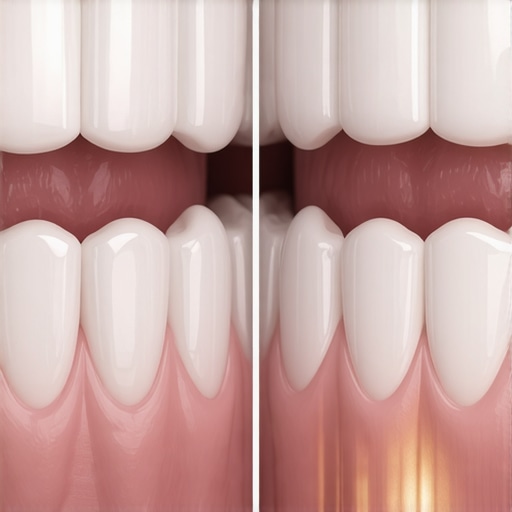
Early in my journey, I made a mistake I often see others repeat—buying into marketing buzz without understanding the real differences. I assumed that a more porcelain-like appearance automatically meant better durability—that was a mistake. According to research published by the National Institutes of Health, zirconia crowns are generally more resistant to chipping and cracking than porcelain, making them excellent for back molars that endure lots of pressure. However, porcelain offers superior translucency, making it a popular choice for front teeth where aesthetics matter most. Getting this balanced right is where expert advice becomes invaluable, and I’ll guide you through how to navigate these choices. So, are zirconia and porcelain crowns really worth the hype? Let’s find out—hop on, and I’ll walk you through what you need to know to make an informed decision.
Select the Right Material for Your Crowns
Start by consulting with your dentist to determine which crown material best fits your lifestyle and aesthetic goals. Zirconia crowns are highly resistant to cracking, making them ideal for molars that endure heavy chewing forces. Porcelain crowns offer superior translucency for front teeth but can be more prone to chipping. Understanding these differences is key—think of it like choosing between a rugged SUV and a sleek sports car; each has its purpose and maintenance needs. I once opted for zirconia for my back molar after a quick chat with my dentist, which proved to be durable and cost-effective over time. For expert advice tailored to your situation, visit [Choosing the Right Crown](https://familydentistpro.com/choosing-the-right-crown-expert-advice-for-long-lasting-results).
Implement Proper Oral Hygiene Practices Daily
Maintaining your crowns and natural teeth requires consistent daily care. Brush at least twice a day using a soft-bristled toothbrush, paying special attention to the margins where the crown meets your natural tooth. Floss daily, using gentle techniques to avoid damaging the crown or gum tissue—think of flossing as cleaning the seams of a well-made watch; precision preserves longevity. I adopted this routine after a messy but revealing night of flossing, which uncovered some plaque buildup around my crown. To maximize results, consider using interdental brushes or water flossers for hard-to-reach areas. For more tips, review [Top Oral Health Tips](https://familydentistpro.com/top-oral-health-tips-for-your-familys-bright-smiles).
Schedule Regular Dental Check-Ups and Cleanings
Visiting your dentist every six months helps catch early signs of crown wear or issues before they escalate. Professional cleanings remove plaque and tartar that even diligent brushing can miss—think of it as a tune-up for your car, extending its life. During these visits, your dentist will examine your crowns for chips, cracks, or leaks. I once ignored a small crack, which worsened over months, leading to a costly replacement. Don’t make that mistake—regular check-ups act as preventive maintenance. See [Preventative Care](https://familydentistpro.com/family-dentistry-trends-improving-oral-health-for-all-ages) for more insights on maintaining oral health.
Avoid Habits That Threaten Your Crowns
Certain habits cause undue stress on crowns—think of biting on ice or opening packages with your teeth as equivalent to overloading a bridge. I learned this the hard way when I bit into ice during summer, cracking my crown slightly. To prevent damage, avoid habits like nail-biting, teeth grinding, or chewing on hard objects. Using a nightguard can also protect against grinding during sleep—akin to installing shock absorbers on your vehicle for a smoother ride. If you’re unsure about how to address these habits, speak with your dentist for personalized solutions. Regularly reviewing [Signs Your Crowns Need Replacing](https://familydentistpro.com/5-warning-signs-your-dental-crowns-need-replacing-in-2026) can help detect issues early.
Be Mindful of Your Diet and Lifestyle
What you eat impacts crown longevity. Limit sugary and acidic foods that erode enamel and weaken crowns. Opt for balanced meals rich in calcium and vitamin D—think of it as strengthening the foundation of a house. Hydrate well and avoid frequent snacking, which increases acid exposure—just like avoiding constant traffic congestion prolongs engine life. After making these adjustments, I noticed my crowns felt more stable, and my overall oral health improved. For comprehensive lifestyle tips, visit [Oral Health Boost](https://familydentistpro.com/top-oral-health-tips-for-your-familys-bright-smiles).
Many patients assume they fully understand the benefits and limitations of treatments like Invisalign and dental crowns, but the truth is, misconceptions can lead to costly mistakes. For instance, a common myth is that Invisalign is only for mild misalignments—yet, recent advances enable it to correct complex cases effectively, provided you follow proper protocols. Additionally, some believe that crowns last forever; however, factors like material choice and oral hygiene play critical roles in longevity. One hidden nuance often overlooked is the importance of personalized treatment planning—what works for one patient may be ineffective for another, especially considering individual bite dynamics and lifestyle factors.
Are There Hidden Risks in Ignoring the Nuances of Oral Care?
Ignoring these details can result in premature failure of restorations or orthodontic setbacks. For example, rushing into an Invisalign treatment without full understanding can lead to relapse if retainers aren’t worn consistently. Similarly, choosing the wrong crown material—either by relying solely on aesthetics or cost—may cause issues down the line, such as chipping or secondary decay. According to the American Dental Association, customized treatment plans that consider the patient’s unique oral environment significantly improve long-term success. For comprehensive guidance tailored to your needs, it’s worth reviewing [how modern dentistry addresses these nuances](https://familydentistpro.com/the-ultimate-guide-to-crowns-for-a-healthier-smile). Remember, a well-informed approach is your best defense against avoidable pitfalls. Have you ever fallen into this trap? Let me know in the comments.
Keep Your Dental Restorations and Orthodontics in Top Shape with the Right Equipment
Maintaining a healthy smile extends beyond regular visits to the dentist. It requires the right tools tailored to support your unique dental needs, especially when it comes to crowns, Invisalign, and overall oral health. Personally, I rely on specific equipment that ensures I’m giving my teeth the best care possible between professional visits. These tools not only help in maintaining long-term results but also empower you to take control of your oral hygiene routine.
One of my most valued tools is the Water Flosser. I personally prefer the Waterpik Ultrax Water Flosser because it effectively removes plaque from hard-to-reach areas around crowns and braces without damaging the restorations. Its pulsating jet disrupts bacteria and debris, which is crucial for preventing secondary decay or gum issues. I have found that integrating this into my daily routine significantly reduces inflammation and extends the lifespan of my dental work.
Next, I recommend investing in a Digital Toothbrush, such as the Oral-B Genius X. Unlike traditional brushes, digital models offer features like customizable timers, pressure sensors, and Bluetooth connectivity. These features ensure thorough cleaning while protecting dental restorations, like crowns and veneers, from undue wear. The pressure sensors remind me to avoid overbrushing—something especially important for those with crowns who want to prevent chipping or loosening.
For those pursuing Invisalign treatment, maintaining the aligners is vital. I swear by the Embrace Aligner Cleaner, which uses ultrasonic technology to disinfect and remove stubborn plaque from aligners. Regularly cleaning your aligners prevents bacterial buildup and keeps your Invisalign treatment on track, which is essential for achieving the best results within the expected timeframe. Using a dedicated cleaner like this is one of my secret tips to ensure my aligners remain clear and effective.
Software also plays a crucial role in maintaining oral health. I utilize the Invisalign app, which offers progress tracking, reminders for retainer wear, and daily habit check-ins. This digital support keeps me accountable and helps avoid common pitfalls like skipping aligner wear—something that a 2026 study underscores as critical for success.
How do I maintain my dental tools over time?
Maintaining these tools is straightforward but essential. Regularly replace water flossers’ tips and clean your electric toothbrush heads weekly with vinegar or manufacturer-recommended solutions. For aligner cleaners, follow the instructions carefully to keep disinfectants effective. Proper maintenance ensures your tools remain effective and extend their lifespan, saving you money and hassle long-term. In the future, expect innovations like AI-powered oral hygiene devices that analyze your brushing habits in real-time, further personalizing care and optimizing results.
If you’re ready to take your dental maintenance to the next level, try integrating a high-quality water flosser and a smart toothbrush into your routine. These investments, combined with digital tracking tools, will support your journey toward healthier, longer-lasting restorations and orthodontic success. Want more personalized advice? Visit our contact page to connect with dental professionals ready to support your goals.
Lessons That Changed My Approach to Dental Care
- One of the biggest revelations was realizing that material choice isn’t just about looks—it’s about longevity. I once believed porcelain was superior because it looked more natural, but I learned zirconia’s durability often outweighs aesthetics for back molars, especially in high-stress situations.
- Ignoring the importance of daily maintenance tools can be costly. Using a water flosser and smart toothbrush has transformed my routine, preventing issues before they escalate—saving money and discomfort in the long run.
- The myths around crowns lasting forever can lead to complacency. Regular check-ups and personalized care are essential for extending their lifespan beyond the typical expectations, especially with advancing materials and techniques.
- Personalized treatment planning is often overlooked. What works beautifully for one person might not suit another’s bite or lifestyle. Listening to your dentist’s tailored advice can prevent early failures and improve overall satisfaction.
- Technological tools like Invisalign apps and ultrasonic aligner cleaners have empowered me to stay accountable. They’re game changers in maintaining alignment and hygiene, ensuring treatments stay on track toward a confident smile.
Tools and Resources That Made a Difference
- The right crown choice can dramatically impact longevity. I trust visiting experts who consider both function and aesthetics to suggest suitable materials.
- Staying informed with top oral health tips helps me maintain my dental work effectively between visits.
- For orthodontic maintenance, the Invisalign comparison guide clarified the best options for my family’s needs, making treatment choices less intimidating.
- Using trusted cleaning devices, like the Waterpik Ultrax, I’ve extended the life of my crowns and prevented secondary decay, proving that investing in quality dental tools pays off.
Your Path to a Confident Smile Starts Now
Equipped with these insights and tools, you’re empowered to make informed decisions that extend the life of your dental restorations and orthodontic treatments. Don’t wait for issues to arise—taking proactive steps today can secure your smile for years to come. Remember, excellent dental health isn’t just about appearance; it’s about feeling confident and comfortable every day. Ready to elevate your oral health journey? Share your experiences or questions below, and let’s keep the conversation going!