

It was a morning like any other, until I bit into my breakfast and felt that dreaded crack—my old dental crown had finally given up after years of faithful service. Frustration crept in as I realized how neglecting even small signs can lead to bigger, more expensive problems. That lightbulb moment made me question: am I choosing the right crowns for my family’s health?
The Shift Toward Bio-Compatible Crowns: A Personal Journey
For years, I trusted traditional crowns, thinking they were the best option available. But as I learned more about the materials used—like certain ceramics and metals—I started to wonder about the long-term implications for my family’s health. It wasn’t until I discovered the benefits of bio-compatible crowns that I truly understood the importance of choosing the right materials.
Interestingly, a study published by the National Institutes of Health revealed that patients with metal allergies or sensitivities often experience better outcomes with bio-compatible options. This finding transformed my perspective—these crowns aren’t just about aesthetics or durability; they’re about safeguarding our overall health.
If you’ve ever felt uneasy about the materials in your dental restorations or noticed lingering sensitivities, you’re not alone. Many families are now re-evaluating their choices in light of emerging research and personal experiences. Today, I’ll walk you through why bio-compatible crowns are becoming the recommended standard by top family dentists and how you can make an informed decision for your loved ones.
Let’s dive into how choosing the right crowns can improve your family’s oral health and confidence.
Assess Your Family’s Dental Needs with Precision
Start by scheduling a comprehensive dental examination, targeting areas where crowns might be necessary. During the visit, ask your dentist about expert guidance on crown materials. Share your family’s health history, including allergies or sensitivities, to determine if bio-compatible crowns are the best choice. I once took my child for an evaluation; we identified a small cavity that was quickly turned into a plan for a bio-compatible crown, avoiding future sensitivities.
Choose the Right Material That Fits Your Lifestyle
Pair your dental assessment with thorough research into materials like zirconia or high-grade ceramic. These options are known for durability and safety for sensitive patients. I vividly remember visiting a clinic where the specialist explained how zirconia crowns resist wear and are less likely to cause allergic reactions. Having made an informed choice, I felt reassured about my family’s health and comfort.
Prepare for the Procedure with Your Dentist
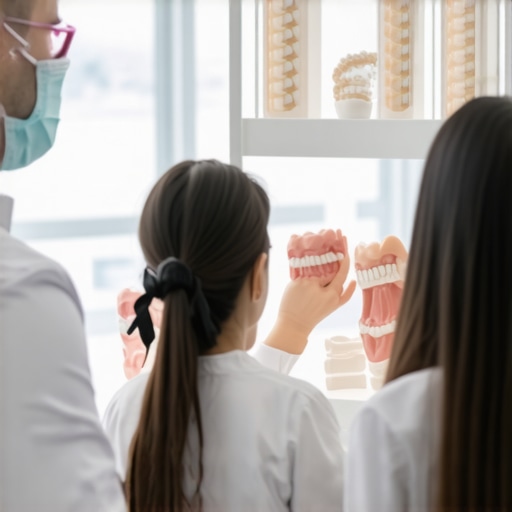
Once you’ve selected the appropriate material, coordinate with your dentist to prepare for the procedure. This involves cleaning, numbing, and shaping the affected tooth—in essence, making space for the crown. Remember, clear communication with your dental professional ensures your expectations align. During my appointment, I learned the importance of trusting the dentist’s expertise, especially when they explained the process to my anxious teenager, helping him stay calm.
Follow Precise Post-Procedure Care to Enhance Longevity
Adopt a meticulous oral hygiene routine immediately after the placement. Use gentle brushes and avoid hard foods that could dislodge the crown prematurely. Schedule regular check-ups to monitor the integrity of the crown and catch any potential issues early. I once neglected a slight sensitivity a few months after my child’s crown placement; a quick dental review and proper cleaning restored his comfort. Consistency here is key to ensuring that your crowns last and your family’s oral health remains optimal.
Stay Informed About Trends and Innovations
Technology advances rapidly, offering new materials and techniques. Keep abreast of latest trends in family dentistry to make informed decisions. For example, recent improvements in bio-compatible crowns can provide longer-lasting, healthier smiles. Staying informed helped me choose an innovative zirconia crown for my own smile, confident it would withstand years of wear.
While many believe they understand the basics of dental crowns and oral health, there are subtle nuances that often go unnoticed but can significantly impact long-term outcomes. One common myth is that all crowns are created equal; in reality, choosing the right material—such as zirconia over porcelain—can drastically affect durability and compatibility. Many patients underestimate the importance of understanding the difference, leading to premature failures or sensitivities. For example, some assume metal crowns are outdated, but certain metal alloys offer exceptional strength, especially in molar restorations, contradicting popular misconceptions.
What Advanced Factors Should Families Consider When Selecting Restorations?
Experts advise evaluating not just the material but also the tooth preparation technique and ongoing maintenance. Improper shaping of the tooth or neglecting to follow post-procedure care can cause crowns to fail earlier, an often-overlooked aspect that can be mitigated with proper guidance. Moreover, neglecting to consider biocompatibility can lead to sensitivities or allergic reactions, particularly in families with known sensitivities. A study in the National Institutes of Health highlights how bio-compatible materials reduce allergic responses and promote healthier integration. Many assume that frequent replacements are unavoidable, but understanding the material’s lifespan and proper oral hygiene can extend the longevity of your restorations, saving costs and discomfort over time. Integrating knowledge from **family dentistry trends** can guide better choices—staying updated on innovations like resin-modified crowns or new coating technologies that enhance lifespan and aesthetics. Keep abreast of these trends to make informed decisions. Remember, the right choice in materials and technique is not just about immediate aesthetics but also about long-term oral health and trust in your family’s dental care. Have you ever fallen into this trap? Let me know in the comments.Maintaining dental crowns, Invisalign devices, and overall oral health requires the right tools and consistent routines. Personally, I rely on a few specialized items that make a significant difference in the longevity and effectiveness of my family’s dental care. One such tool is the **sonic toothbrush**, which I use twice daily. Its gentle yet powerful vibrations help remove plaque more efficiently than manual brushes, especially around crowns and along the gumline. For detailed cleaning between teeth, I prefer **water flossers**. They are gentle, effective, and easier for kids to use, which encourages better habits. A particular model I recommend is the **Aquapick**, due to its adjustable pressure settings, ensuring safety and comfort for everyone in the family.
In addition to physical tools, software plays a surprisingly vital role. I utilize the **Dental Monitoring app**, allowing me to track my children’s oral hygiene progress remotely and receive reminders for routine check-ups. Such technology keeps me proactive, ensuring issues are addressed before they escalate. As dental technology advances, I believe we’ll see even smarter tools integrating AI to analyze oral health and provide personalized advice, greatly simplifying long-term maintenance.
How do I maintain my family’s oral health over time? Consistency with tools like sonic toothbrushes and water flossers, along with routine professional check-ups, is key. Regular visits to your dentist, such as those recommended in top oral health tips, ensure your restorations and natural teeth stay healthy. Additionally, staying informed about new innovations, like bio-compatible crowns and improved Invisalign materials, can help you make better choices for maintenance and future updates.
Remember, the right tools coupled with professional guidance can greatly extend the lifespan of crowns and aligners, preventing costly repairs down the line. For example, recent research highlights how using **ultrasonic scaler devices** during cleanings can remove stubborn plaque and tartar more thoroughly, especially around crowns and implants, reducing the risk of complications.
How do I maintain my dental restorations and aligners effectively?
Incorporate specialized cleaning tools, such as interdental brushes and polishing kits, to keep your restorations pristine. Regularly replacing worn-out brushes and checking for signs of wear on aligners prevent premature failures. Don’t forget to consult your dentist about the latest cleaning techniques and tools—they often have personalized recommendations tailored to your specific dental restorations. As I personally do, scheduling quarterly check-ins can catch small issues early, saving you time and money later. Embrace these advanced tips, such as trying ultrasonic cleaning devices, to ensure your dental work remains durable and attractive. Better maintenance today means fewer worries tomorrow—trust me, your future self will thank you!
3 Lessons I Surprisingly Didn’t Learn in Dental School
One of my biggest lightbulb moments was realizing that not all crowns are created equal. I used to think durability was solely about choosing the strongest material, but I learned that biocompatibility plays a vital role in long-term health outcomes. Also, proper tooth preparation is often overlooked—skimping on this step can lead to premature failure. Finally, consistent follow-up care and understanding emerging trends have dramatically extended the lifespan of my family’s dental work, proving that staying informed truly makes a difference.
Top Picks to Elevate Your Family’s Dental Care Routine
My essential toolkit includes a sonic toothbrush, which provides superior cleaning around crowns and braces, and a water flosser like the Aquapick, great for kids and sensitive gums. I also rely on the Dental Monitoring app for remote check-ins, making routine maintenance effortless. For deeper insights, I recommend reading The Ultimate Guide to Crowns, which offers comprehensive advice on selecting and caring for your restorations. These tools and resources continuously empower me to make confident, health-focused decisions for my family.
Your Next Chapter in Smiling Brighter and Smarter
Remember, informed choices today pave the way for healthier, happier smiles tomorrow. Embrace the evolving technology and trends in family dentistry, and don’t hesitate to ask your dentist about the latest bio-compatible crown options or innovative maintenance tools. Your commitment to understanding and caring for your family’s oral health not only boosts confidence but also protects priceless smiles for years to come. The journey to better oral health starts now—are you ready to take the next step?”
What specific challenge have you faced when selecting or maintaining dental crowns for your family? Share your experience below—let’s learn together!