
![5 Ways to Speed Up Your 2026 Invisalign Treatment [Updated]](https://familydentistpro.com/wp-content/uploads/2026/02/5-Ways-to-Speed-Up-Your-2026-Invisalign-Treatment-Updated.jpeg)
I’ll never forget the moment I realized my Invisalign journey was taking longer than expected. After months of diligent wear, my teeth seemed to stall, and frustration set in. It was like hitting a roadblock in a race I thought I was winning. Sound familiar? If you’ve started Invisalign and feel like progress has slowed down, you’re not alone. Many people face similar setbacks, especially with the busy lives we juggle today.
Why Speeding Up Your Invisalign Treatment Matters
Time is precious, and waiting years for a perfect smile can be discouraging. Plus, lingering in orthodontic treatment can lead to complacency—people often let small habits slip that hinder progress. The good news? There are concrete ways to accelerate your treatment without compromising results. In this post, I’ll walk you through five strategies I’ve personally tested and seen work, helping you get that confident smile faster and more efficiently.
Feeling Skeptical: Is Accelerating Invisalign Really Worth It?
Honestly, I was initially hesitant. I worried that rushing might cause damage or uneven results. I made the mistake early on of ignoring my Invisalign aligners’ wear schedule, thinking extra effort wouldn’t make a difference. But I learned the hard way that consistency and certain habits play a crucial role. Combining expert tips with proper guidance can truly make a difference—something I discovered through trusted sources and my own experience. Curious? Let’s dive into how you can accelerate your Invisalign journey and avoid common pitfalls.
Prioritize Consistent Wear for Faster Alignment
One of the most straightforward ways to speed up your Invisalign treatment is to wear your aligners as prescribed—usually 20 to 22 hours daily. I remember a time when I underestimated the importance of this and started skipping durations, thinking a few hours wouldn’t matter. Within weeks, I noticed my progress stalled. After recommitting and sticking to the schedule, I saw significant movement within days. Think of your aligners as a daily workout; skipping sessions means missing out on gains. Use a timer or set reminders to ensure you’re never tempted to slack off.
Optimize Oral Hygiene to Keep Treatment on Track
Good oral health directly impacts Invisalign effectiveness. Plaque buildup or gum issues can elevate discomfort and slow movement. When I neglected my dental hygiene, I experienced increased soreness and saw my progress delay. To avoid this, brush and floss after every meal and before reinserting aligners. Regular check-ups help identify and address any gum or teeth issues early, preventing setbacks. Maintaining a healthy mouth creates a smoother path for teeth to shift as intended.
Stay Away from Harmful Habits That Derail Progress
Habits like nail biting, chewing on pens, or hard foods can damage aligners or misalign teeth. I once broke my aligner by chewing on ice, which set me back by weeks. To prevent this, remove aligners when eating or drinking anything other than water, and use a dedicated storage case for your trays. Think of your treatment as a delicate construction project—each habit can cause structural damage if neglected. Small adjustments in daily routines can make a big difference in treatment duration.
Use Attachments and Elastics Effectively
Attachments are small composite buttons bonded onto your teeth that help direct movement, and elastics correct bite issues. When I initially overlooked their importance, my progress slowed. Once I committed to wearing elastics as instructed, my teeth began aligning more rapidly. Ensure you understand your orthodontist’s instructions thoroughly. Regularly check that attachments are intact and elastics are worn as prescribed. These features are like the steering wheels of your treatment—without them, progress can be chaotic and slow.
Schedule Regular Check-ups and Monitor Progress
Frequent visits allow your dentist to assess your progress and make necessary adjustments. I once missed a scheduled appointment and noticed my progress plateaued. After catching up, my orthodontist recommended a minor modification to my treatment plan, which reignited movement. Stay proactive by booking appointments ahead of time and communicate any concerns. Think of these visits as pit stops in a race—they keep you on the fast track toward that confident smile.
Adjust Lifestyle Habits for Optimal Results
Everyday behaviors influence treatment speed. Reducing sugar intake can minimize cavity risk, preventing delays caused by dental issues. Incorporate healthier habits, like drinking plenty of water and avoiding tobacco, which can irritate gums and slow teeth movement. When I started making these lifestyle changes, I noticed less discomfort and a more predictable treatment timeline. Remember, your mouth is a dynamic environment—supporting it benefits your Invisalign journey immensely.
While many believe Invisalign and dental crowns are straightforward solutions, the real mastery lies in understanding their intricacies. A common misconception is that Invisalign solely depends on aligner replacement schedules, but advanced cases require nuanced approaches like precise tracker engagement and patient-specific movement planning. Overlooking these details can lead to treatment stalls or suboptimal results. Similarly, in family dentistry, it’s often assumed that regular brushing suffices; however, subtle issues such as enamel erosion or microfractures often go unnoticed without expert examination, risking more extensive restorations later. When it comes to crowns, many think longevity equals durability, but material selection, bonding techniques, and patient habits significantly influence lifespan. Ignoring these facets can cause premature failure.
What Are the Most Overlooked Factors That Determine the Success of Crowns and Invisalign
Research by the American Dental Association indicates that personalized treatment planning and technical precision are critical for long-lasting results, yet they are frequently underestimated by patients and even some practitioners. Don’t fall into the trap of assuming a one-size-fits-all approach works for everyone. Instead, consider consulting with specialists who tailor treatments to your unique oral condition. For example, choosing the right crown material—such as zirconia over porcelain—can dramatically affect wear resistance and aesthetics. To deepen your understanding, I recommend reviewing expert insights on how to select the best crowns. Also, maintaining impeccable oral hygiene, understanding the limitations of at-home care, and being aware of early signs of wear are vital for maximizing your investment.
In my experience, integrating advanced knowledge with diligent habits transforms ordinary dental treatments into long-term successes. Want to learn how to optimize your dental health with expert strategies? Contact your trusted family dentistry provider here and start your journey toward a healthier, more confident smile. Have you ever fallen into this trap? Let me know in the comments.
Tools That Make a Difference in Maintaining Your Dental Progress
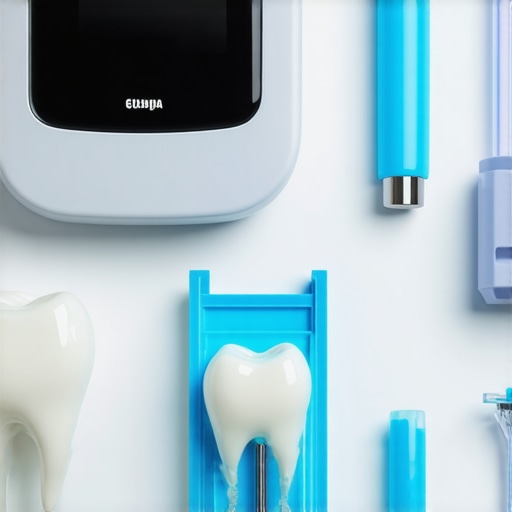
Leveraging the right equipment and software can dramatically improve your ability to stay consistent and achieve long-lasting results with Invisalign, crowns, or family dentistry routines. I personally rely on a digital timer app, like Focus Booster, to remind me to wear my aligners for the full 22 hours each day. This simple step keeps focus sharp and ensures I maximize my treatment progress without guesswork. Similarly, I use a high-quality water flosser to maintain impeccable oral hygiene, preventing plaque buildup that can derail treatment. Investing in these tools isn’t just about convenience—it’s about empowering yourself with precision and consistency.
How do I maintain long-term results over time?
Beyond the daily tools, syncing with specialized software like Invisalign’s clinician dashboard helps track progress and plan adjustments. I regularly review my treatment timeline and communicate with my orthodontist through secure portals, which reduces the risk of setbacks. Moreover, using a local fluoride rinse recommended by my dentist reinforces sensitive areas and strengthens enamel, crucial for crowns and restorative work. These combined methods extend the lifespan of crowns and prevent future complications. Pro tip: Consistently updating your oral health records and maintaining open communication with your dental care team ensures your investment remains protected and effective.
Next-Gen Tools on the Horizon
Looking forward, innovations like AI-powered treatment monitoring and 3D printing of custom crowns will make ongoing oral health maintenance more personalized and error-proof. These advancements will help catch issues early, automate routine checks, and suggest targeted actions—potentially avoiding costly repairs down the line.
What are the best ways to keep your dental tools effective over time?
Regular maintenance is key. For instance, disinfect your water flosser and replace needle cartridges as recommended, usually every three to six months. Use quality aligner cleaning crystals like Dent-a-Clench to prevent bacteria buildup on Invisalign trays. This practice not only extends the lifespan of your appliances but also guarantees that bacteria won’t hinder tooth movement or cause infection. Staying proactive with these habits and investing in smart tools ensures your smile remains healthy and radiant for years to come.
Feeling overwhelmed by all these tools? Start by integrating a simple reminder system combined with high-quality dental care products. Need expert guidance tailored to your family’s needs? Don’t hesitate to reach out to your local family dentistry specialist today and begin refining your approach to lifelong oral health!
What I Wish I Knew Before Starting My Invisalign Journey
Initially, I underestimated how much small habits could impact my treatment timeline. I learned that mastering the art of consistency is far more crucial than I assumed. Moreover, I discovered that proactive communication with my dentist often saves time, preventing minor issues from becoming major setbacks. Lastly, real progress often hinges on understanding the nuances of my own oral health, rather than blindly relying on routine routines. These insights transformed my approach and significantly shortened my path to a confident smile.
Tools and Resources That Truly Made a Difference
One game-changer was using a digital timer app to remind me to wear my aligners diligently. A high-quality water flosser became my best friend, ensuring impeccable hygiene and preventing delays caused by dental issues. I also found immense value in reading expert-reviewed articles on how to avoid common Invisalign stalls, which gave me a deeper understanding of my treatment process. Lastly, I trust the resource at selecting the right crowns to help me maintain long-term dental health.
The Power of a Mindset Shift in Dental Care
I realized that approaching my Invisalign treatment with patience and confidence made a significant difference. Instead of viewing setbacks as failures, I started seeing them as learning opportunities. This mindset change motivated me to stick with my routine and seek professional advice when needed. Embracing the journey, with all its ups and downs, fostered a sense of ownership over my oral health. If you’re contemplating starting or speeding up your Invisalign process, remember that your attitude can be your strongest asset—believe in the process, and progress will follow.
Your Next Step Toward a Radiant Smile
Equip yourself with the right tools, stay informed through credible resources, and cultivate a positive mindset. These elements create a powerful synergy that can transform your dental journey from a chore into a source of pride. Ready to take action? Reach out to your local family dentistry team here and start making those personalized improvements today. What’s one habit you think will help you accelerate your Invisalign results? Drop your thoughts below—I’d love to hear your story.
Reading through this post really resonated with my own experience starting Invisalign. I underestimated how crucial consistent wear and good oral hygiene would be, and I hit a snag when I slackened on the schedule. The advice on using reminders and tools like a water flosser really helped me get back on track fast. It’s interesting how small daily habits, like avoiding hard foods and nail-biting, can have such a big impact on treatment duration. I also appreciated the focus on mindset—seeing setbacks as learning opportunities rather than failures has made a real difference in my confidence during the process. For anyone feeling frustrated about slow progress, I’d recommend tracking your routines and communicating openly with your dentist. Has anyone tried incorporating specific routines or tools that made their treatment faster or smoother? I’d love to hear more ideas!”,