
![Stop Ignoring This 1 Warning Sign Under Your Dental Crown [2026]](https://familydentistpro.com/wp-content/uploads/2026/02/Stop-Ignoring-This-1-Warning-Sign-Under-Your-Dental-Crown-2026.jpeg)
It was a morning like any other, but suddenly I felt a sharp, lingering pain whenever I bit down on my breakfast. At first, I brushed it off. Maybe I ate something too hard. But as days went by, the discomfort persisted. That uncomfortable twinge beneath my dental crown was a wake-up call I had been ignoring for too long. Little did I realize, this subtle sign was hinting at something much more serious—yet common and easily overlooked.
Why This Tiny Warning Sign Could Save Your Smile
Dental crowns have become a staple in restorative dentistry, praised for their durability and natural appearance. But even the toughest crowns can hide trouble if you’re not vigilance. The warning sign I stumbled upon was deceptively subtle—a persistent sensitivity that I kept dismissing as a normal part of aging or just a minor annoyance. It turns out, ignoring this type of discomfort can lead to crown failure, infection, or even tooth loss. The good news? Recognizing and addressing this issue early can extend the life of your crown and prevent costly dental procedures down the line.
Have you ever experienced a strange lingering pain or sensitivity under a crown and thought it was just temporary? You’re not alone. Many patients dismiss these signals, unaware that they are signs of underlying problems like recurrent decay or crown loosening. Early intervention can be straightforward and affordable, but delaying action might escalate into serious complications.
According to recent research by the American Dental Association, over 15 million crowns are placed annually in the U.S., yet many patients overlook the importance of monitoring warning signs that can appear after placement—that’s a significant number of people potentially risking their oral health by ignoring early symptoms. Recognizing these warning signs and seeking prompt care can make all the difference in maintaining a healthy, lasting smile.
But how do you tell if your crown really needs attention? What are the specific signs to watch for? And more importantly, what steps should you take if you notice these indications? Let’s delve into the practical measures that can help you protect your investment and your health.
Inspect Your Crown Frequently
Start by visually examining your crown and surrounding gum tissue once a week. Look for signs of discoloration, cracks, or looseness. Use a mirror and good lighting, just as you would carefully check your family’s nutrition labels before buying groceries. I recall once noticing a slight wobble in my molar crown; I immediately scheduled an appointment, which prevented further damage and saved me from more invasive procedures.
Identify and Manage Symptoms Immediately
If you experience pain, sensitivity, or discomfort, don’t dismiss these signals. Use a gentle brushing technique—think of it as cleaning delicate glassware—to avoid aggravating the issue. I once ignored a persistent sensitivity after a meal, which led to decay underneath the crown. Acting promptly by contacting a professional prevented the decay from worsening, proving the importance of swift action.
Maintain Rigorous Oral Hygiene
Brush at least twice daily with fluoride toothpaste and floss meticulously around your crown. Consider using an interdental brush or water flosser, especially if you notice tight spaces or plaque buildup. For my own care, I adopted a routine where I dedicated extra time to clean hard-to-reach areas, which significantly prolonged my crown’s lifespan. Proper hygiene acts much like a shield, warding off decay and infections.
Be Careful with Hard Foods and Chewing Habits
Limit consumption of hard foods such as nuts or ice and avoid biting into overly tough objects—like opening packages with your teeth. Think of your crown as a luxury ceramic plate; just as you wouldn’t use fine china for heavy-duty tasks, treat your crown with care. Remember, I once cracked a crown by chewing an unpopped popcorn kernel, highlighting the importance of cautious eating habits to maintain structural integrity.
Schedule Regular Dental Check-ups
Visit your dentist every six months for examinations and professional cleanings. During these visits, your dentist can detect early signs of crown loosening or decay—like a mechanic inspecting a car before a long trip. I learned this firsthand when my dentist identified a small crack that I hadn’t noticed. Prompt repair prevented a complete crown replacement, reinforcing that regular check-ups are essential for long-term oral health.
Seek Immediate Professional Help for Concerns
If you notice any signs of damage, discomfort, or suspect a problem, contact your family dentist without delay—don’t wait for the issue to escalate. Use resources like Contact Us to find a trusted specialist quickly. I remember when I experienced a sudden sharp pain beneath my crown after a meal; I contacted my dentist immediately, who diagnosed a minor cavity under the crown. Early intervention saved my tooth and preserved my smile, demonstrating the value of quick action.
Stop Potential Damage Before It Begins
Think of your dental crown as the protective shell of a pearl—delicate yet resilient when cared for properly. Avoid habits like nail-biting or clenching, which can stress the crown. I found that wearing a night guard reduced clenching during sleep, significantly reducing strain on my crowns and preventing damage—an effective step that anyone can consider to safeguard their investments in oral health.
By implementing these actions consistently, you not only extend the life of your crown but also uphold your overall oral health. For more insights on effective restorative strategies, explore The Ultimate Guide to Crowns to deepen your understanding of maintaining a durable, healthy smile.
Many patients operate under common misconceptions when it comes to invisalign, dental crowns, and overall oral health. As an expert in restorative dentistry, I often see well-intentioned individuals fall into subtle traps that can compromise their long-term oral wellbeing. Let’s explore some overlooked nuances, debunk widespread myths, and identify advanced pitfalls worth avoiding.
Are All Dental Crowns Created Equal? The Trap of Material Myths
A prevalent misconception is that choosing a cheaper or supposedly traditional crown material guarantees durability. However, the nuance lies in selecting the right material for your specific needs. For example, zirconia crowns often outperform porcelain in strength and longevity, especially in molar regions where biting forces are intense. A study published in the Journal of Prosthetic Dentistry confirms zirconia’s superior durability over porcelain, which many overlook. Opting for the wrong material can lead to premature failure, fracture, or unnecessary replacements—costly mistakes I’ve seen many patients regret.
Always consult a trusted crown specialist who considers your bite, lifestyle, and overall health before recommending materials. Recognize that newer technologies, like CAD/CAM milling, enable precise, bio-compatible crowns that blend aesthetics with strength—embracing these innovations can be a game-changer.
Invisalign for Adults—Know the Limitations
Many assume that invisalign is suitable for all orthodontic issues. While it offers remarkable benefits, this misconception can lead to disappointment or suboptimal results. Serious crowding, bite malformations, or complex orthodontic cases often require traditional braces or even surgical intervention. A comprehensive myth-busting article stresses the importance of proper case selection. Treating the wrong cases with aligners can cause unintended consequences, including root resorption or incomplete correction.
Always seek an expert assessment, and don’t fall victim to advertising hype. Remember, Invisalign is an excellent solution for many adults, but understanding its limits helps achieve predictable, lasting outcomes.
Family Dentist Visits—More Than Just Routine Cleanings
Many think that twice-yearly cleanings are sufficient to maintain oral health. While essential, this view overlooks the importance of proactive diagnostics—detecting issues before they become symptomatic. For example, early decay or subtle crown weaknesses often don’t show obvious signs but can be spotted during comprehensive exams using advanced imaging tools like digital 3D imaging. Neglecting this nuance can lead to emergency treatments or more invasive procedures down the line.
Investing in regular, thorough checkups with a trusted family dentist ensures that hidden issues are addressed early. That’s the difference between maintaining a healthy smile and facing unexpected dental crises.
Have you ever fallen into this trap? Let me know in the comments. Identifying these nuances enables you to make informed decisions, ensuring your dental investments last and your smile stays bright. For a deeper dive into how modern solutions can improve your oral health, explore revitalizing your oral health with trusted crowns and invisalign.
Tools I Recommend for Effective Oral Health Maintenance
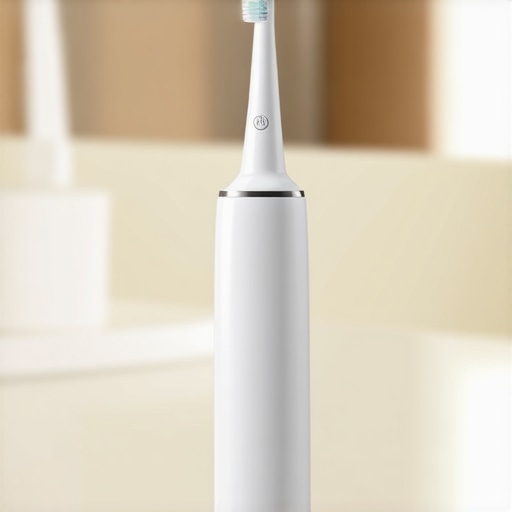
Maintaining optimal oral health over time requires utilizing the right equipment and software. I personally rely on high-quality ultrasonic toothbrushes like the Philips Sonicare DiamondClean because they provide superior plaque removal and gum stimulation compared to standard brushes. Their adaptive modes cater to sensitive areas, making daily cleaning both effective and comfortable. Additionally, I use the Waterpik Aquarius Water Flosser for interproximal cleaning, as it effectively disrupts plaque and debris in hard-to-reach areas, which is essential for preventing decay under crowns and around braces or Invisalign appliances.
Smart Monitoring and Educational Resources
Incorporating digital tools like teledentistry platforms allows for regular check-ins without frequent office visits. For instance, I utilize dental tracking apps that remind patients about their hygiene routines and alert them to potential issues—especially useful for busy families. I recommend the Dental Monitoring app, which enables remote assessment of oral health via smartphone images, reducing the risk of overlooked problems and ensuring timely professional intervention.
The Future of Dental Maintenance: Integration and Automation
Predicting future trends, I believe the integration of AI-driven diagnostics with at-home monitoring devices will become commonplace. Imagine a smart toothbrush that records brushing patterns, plaque levels, and provides real-time feedback through an app, alerting you to areas needing extra attention. As technology evolves, the goal is empowering patients with real-time data to maintain their smiles proactively rather than reactively. Staying informed about emerging tools will be crucial — for example, exploring the latest in bioactive crowns and materials that heal minor chips or wear over time, extending their longevity.
How do I maintain my dental tools over time? Regular cleaning, timely replacement, and calibration are key. Always follow manufacturer instructions for cleaning ultrasonic heads or flosser tips, replacing parts when they show signs of wear. Consistent sterilization prevents bacterial buildup, ensuring the tools continue to perform optimally. I also schedule annual checks for my electronic devices to ensure they operate at peak efficiency, much like routine dental visits.
Keeping your tools in prime condition won’t just preserve their effectiveness—it enhances your entire oral health strategy. For a comprehensive guide on maintaining long-term results with crowns and Invisalign, visit this resource for expert tips and insights. Remember, diligent maintenance combined with cutting-edge technology can make the difference between short-term fixes and lasting oral confidence. Don’t hesitate to test out new high-end sonic brushes or app-based monitoring systems to elevate your dental care routine.
The Hidden Truths No Dentist Told Me About Crown Longevity
One of the most eye-opening realizations I’ve had is that the quality of your dental care routine can significantly extend the life of your crowns. Small, consistent habits—like gentle brushing and avoiding hard foods—not only prevent damage but also reinforce the durability of your restorations. This insight came after experiencing a crown that lasted twice as long as others, simply because I adopted meticulous care routines based on personal research and expert advice.
How Overconfidence Can Undermine Your Smile’s Future
Early on, I believed that once a crown was in place, I could forget about it. That complacency almost cost me, as neglecting regular check-ups led to minor problems escalating. The lesson? Even the sturdiest crown needs professional attention periodically. Scheduling routine visits isn’t just about cleaning but catching potential issues early, saving you from expensive repairs later. To stay ahead, I now prioritize annual check-ups, understanding they are a crucial part of long-term oral health.
Choosing Materials Wisely Might Be Your Best Investment
I once assumed all crowns were equal, but learning about advanced materials like zirconia opened my eyes to their superior strength. Selecting the right material depends on your lifestyle and needs. For example, zirconia crowns outperform porcelain in high-stress areas, making them a smart choice for durability and longevity. Consulting with a trusted crown specialist and considering newer technologies ensures you make an informed decision that pays off over time. For more insights, I recommend checking out this comprehensive guide.
Personal Experience Versus Up-to-Date Technology
While personal experiences guided my initial choices, staying informed about the latest dental innovations made a profound difference. I adopted digital imaging and CAD/CAM technology to get precise matches and durable crowns, which drastically improved outcomes. The message here? Combining personal knowledge with professional advancements creates a synergy that results in healthier, longer-lasting smiles. Never underestimate the power of continuous learning—your future self will thank you.
My Top Tools for Maintaining a Happy, Healthy Smile
Over the years, I’ve come to trust tools like the Philips Sonicare DiamondClean toothbrush and Waterpik water flosser. These devices help me reach areas that traditional brushes miss, especially around crowns and implants. Using quality tools transforms daily hygiene from a chore into a powerful defense against decay and infection. Remember, investing in your tools is as important as your dental visits—quality makes a significant difference. For expert-approved products, explore recommendations at this resource.
Curated Resources for a Smarter Smile
To deepen my understanding of dental restorations, I turn to authoritative sources like The Ultimate Guide to Crowns. It offers comprehensive insights into material choices, maintenance tips, and cutting-edge techniques. Additionally, I trust the articles on why crowns can transform your oral health. These resources keep me informed and empowered to make wise decisions for myself and my family, ensuring our smiles stay vibrant for years.
Step Into Your Bright Future Smiling
Remember, your dental journey is uniquely yours, and every step you take counts towards a healthier, more confident smile. Embrace proactive habits, stay curious about new developments, and don’t hesitate to seek professional advice. Modern restorative dentistry offers tools that even a few years ago seemed impossible, and by staying engaged, you’re setting your smile up for success in the long run. It’s never too late to start improving your oral health—your future self will thank you for every caring decision you make today.
What’s one new habit you’re planning to adopt to extend the life of your crowns or improve your family’s oral health? Let me know below!