

It hit me one drizzly Monday morning, as I stared at my reflection and noticed my Invisalign aligners weren’t fitting quite right anymore. The culprit? My beloved morning coffee. Yes, that steaming cup of comfort is secretly chipping away at my smile’s progress. I realized I wasn’t alone in this struggle; many patients face similar dilemmas, risking their investment in orthodontic treatments just for a quick caffeine fix. Today, I want to share my personal experience and what I’ve learned about how your morning routine, especially coffee habits, can actually interfere with your Invisalign journey.
Why Your Daily Coffee May Be Wrecking Your Invisalign Progress
For years, I thought I was doing everything right—following my dentist’s advice, wearing my aligners diligently, and maintaining good oral hygiene. But the moment I started paying closer attention, I saw a pattern emerging: mornings filled with coffee seemed to blur my oral health efforts. The warmth and acidity of coffee can weaken the plastic of Invisalign aligners, making them less effective and more prone to damage. Plus, sneaking sips of coffee with the aligners in can stain and discolor them, defeating the purpose of keeping a clear, discreet smile. Studies have shown that exposure to hot liquids can warp aligners, leading to misalignment and longer treatment times. That’s why knowing how coffee affects your orthodontic treatment is crucial.
Is Your Coffee Routine Actually Worth the Hype?
Now, I must admit my early mistake: I kept drinking my morning brew without considering the impact on my Invisalign. I believed that a quick coffee was harmless, especially if I just took out my aligners for a few minutes. But that one complacent habit added up, causing setbacks I couldn’t afford. This is a common mistake I’ve seen many make—underestimating the effect of everyday habits on their dental health. Recognizing these pitfalls is the first step toward improving your treatment results.
Ready to learn how to enjoy your coffee without sabotaging your smile? Let’s dive into simple, practical steps that can help protect your investment in a straighter, healthier smile while still savoring your favorite morning beverage.
Use a Protective Coffee Routine
Start your morning by preparing your coffee away from your aligners. Instead of sipping directly from the cup with your aligners in, pour your coffee into a travel mug or a cup that doesn’t require removal. When I first adopted this habit, I made a ritual of prepping my coffee in the kitchen, then taking small sips after removing my aligners. This simple change significantly reduced warping and staining. It’s like shielding your aligners with a barrier, preventing heat and acidity from causing damage.
Create a Signal to Remember to Remove Aligners
Set a visual cue: place your aligners in a designated, clearly visible case immediately after your coffee. For example, I kept a bright, distinct case on my kitchen counter. During my busy mornings, I would automatically open my case as I finished my coffee, preventing accidental sipping with aligners in. This habit helped me stay consistent and avoid accidental damage. Think of it as establishing a safety zone that conditions your brain to always remove and store your aligners before indulging in hot beverages.
Schedule Coffee Breaks Around Your Treatment
Plan your coffee intake to coincide with times when your aligners are out for cleaning or meal times. I found that having a specific coffee moment after I removed my aligners for cleaning or while eating preserved their integrity and kept my treatment on track. Remember, aligners are like delicate glassware—exposing them to heat and acids repeatedly weakens their structure. By synchronizing your coffee breaks with your aligner routine, you protect your investment and ensure fewer setbacks.
Hydrate and Rinse After Coffee
After your coffee, rinse your mouth with water and give your aligners a gentle clean before reinserting. When I started doing this, I noticed less staining and a fresher overall feeling in my mouth. Use a soft toothbrush or the cleaning instructions provided by your orthodontist to avoid scratches and maintain clarity. This practice acts as a safeguard, removing acids and residues that can settle on the aligners, similar to how family dentists recommend regular cleaning for crowns and dental appliances to prevent decay and discoloration. For more on keeping your appliances in top shape, check out this guide on Invisalign myths.
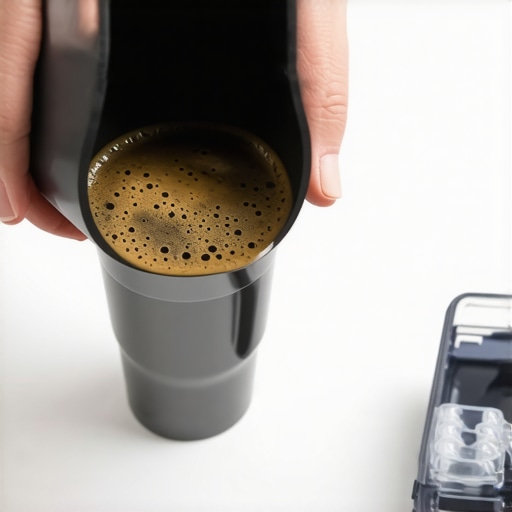
Illustration of a person pouring coffee into a travel mug, with aligners stored in a protective case nearby, emphasizing a safe coffee routine.
Opt for Cooler, Less Acidic Beverages
Instead of hot coffee, consider iced or cold brews, which have less risk of warping aligners. When I switched to an iced latte, I found I could enjoy my favorite flavor without compromising my treatment. Cooler drinks don’t soften the plastic as heat does and are less likely to stain your aligners. Think of it as choosing a safer alternative that preserves the clarity of your smile and reduces treatment delays.
Many people believe that oral health basics like brushing and flossing are all it takes to maintain a healthy smile, but in my experience, this oversimplification ignores nuanced factors that can undermine your efforts. One widespread myth is that dental restorations, such as crowns, are permanent solutions requiring no further attention. However, the durability of crowns depends on the material used, the skill of the dentist, and ongoing oral care habits; for example, zirconia crowns tend to last longer than porcelain in the long run, especially if properly maintained. It’s crucial to choose your family dentist carefully—consulting expert sources can help you find professionals skilled in advanced restorative techniques, like those discussed in expert advice for long-lasting crowns. Many assume Invisalign is just about aesthetic alignment, but the real advantage lies in its ability to correct complex bite issues discreetly, which can prevent future costly problems if addressed early. Beware of the common trap of underestimating the importance of follow-up treatments; incomplete aligner wear or skipping adjustments can lead to treatment stalls, as highlighted in tips to avoid Invisalign setbacks. Similarly, there’s a misconception that family dentistry is only about children, but maintaining regular checkups for all ages ensures early detection of problems like gum disease or decay, often before symptoms appear. Advanced mistakes often involve neglecting oral health nuances, such as ignoring small cracks in crowns which can harbor bacteria, leading to bigger issues. This emphasizes the need for ongoing vigilance and expert evaluations. Remember, achieving optimal oral health requires understanding the complexities beyond the basics. Have you ever fallen into this trap? Let me know in the comments.Maintaining a healthy, straight smile with Invisalign and durable crowns demands the right tools and routines. I personally rely on a high-quality electric toothbrush, like the Philips Sonicare DiamondClean, because its sonic technology effectively removes plaque without damaging delicate restorations. Pairing it with fluoride-rich toothpaste aims to strengthen enamel and prevent decay, especially critical around crowns and braces. For aligner care, I trust the Smile Science aligner cleaning crystals—they’re gentle yet thorough, helping me keep my aligners clear and free of bacteria. A digital calendar or app, such as Carestream Dental’s Smile Reminder, helps me schedule and track aligner changes and dental checkups, ensuring consistent progress. When it comes to manual tools, I prefer soft-bristled brushes and interdental brushes designed specifically for orthodontic appliances—these prevent staining and facilitate deep cleaning around brackets and crowns. Regular use of an antibacterial mouthwash, like Therabreath, adds an extra layer of protection against bacteria and bad breath, crucial during long-term orthodontic treatment. Looking ahead, advancements in AI-powered dental monitoring systems and smart toothbrushes suggest that personalized, real-time oral health tracking may soon become standard—making it easier to maintain results and catch issues early. To keep your dental work in top shape over time, incorporate these tools into your daily routine and stay consistent. How do I maintain my Invisalign and crowns over the years? The key is regular professional check-ups combined with advanced at-home tools like ultrasonic cleaners that I use weekly. They help prevent plaque buildup, minimize staining, and extend the lifespan of restorations. For a detailed look at modern crowns and their durability, I recommend checking this guide on crowns’ longevity: How Long Do Crowns Last?. Ultimately, investing in quality tools and staying vigilant is essential for enduring oral health and the success of orthodontic treatments. For more expert tips on maintaining your smile’s integrity, visit our top oral health tips.
What I Wish I Knew About Coffee and Invisalign from the Start
One of the biggest revelations in my journey was realizing that my daily coffee routine could subtly sabotage my efforts for a perfect smile. I used to believe that simply removing my aligners for a few minutes was enough, but I learned that heat and acidity from coffee can warp and stain aligners, wasting time and money. This lightbulb moment underscored the importance of adjusting habits early to preserve the integrity of my treatment.
Simple Habits That Saved My Smile
Incorporating small but effective routines made all the difference. Preparing coffee in a travel mug and setting my aligners aside immediately eliminated accidental damage. Placing a vibrant case on the counter created a visual cue to remind me, ultimately making my routine more mindful and preventing costly setbacks. These tiny tweaks kept my treatment on track and boosted my confidence that I was taking my orthodontic journey seriously.
Why Protecting Your Investment Matters More Than Ever
Every step I took to safeguard my aligners, from rinsing after coffee to choosing cooler beverages, reminded me that orthodontic success hinges on consistent, deliberate care. It’s easy to overlook how daily habits influence long-term results, but understanding the science behind these effects—like how heat warps plastic or how stains set in—empowered me to make smarter choices. Trust me, your future self will thank you for protecting your investment in a healthier, more confident smile.
Reading this post really resonated with me because I experienced a similar setback with my Invisalign treatment due to hot beverages. I used to sip coffee throughout the morning without much thought about the temperature’s impact on my aligners, but after a few weeks, I noticed staining and slight warping. That was enough to make me switch to iced coffee and develop a routine of taking out my aligners before my drink. I also started rinsing my mouth and aligners with water right after. This small change made a noticeable difference in keeping my aligners clear and in good shape. The idea of preparing drinks in a travel mug is practical—has anyone else tried this method? I wonder if there are other simple, cost-effective strategies to prevent warping, especially for people who love their hot coffee as much as I do.