It was a morning like any other, until I sat in that squeaky dental chair, braces on and nerves jangling. The buzzing drill felt more invasive than ever, and I couldn’t help but think, “There has to be a better way.” That lightbulb moment struck—what if technology could transform our family’s visits from dreaded appointments into ones we actually look forward to?
Imagine a Dental Visit Without Anxiety
For years, many parents like me have struggled with the challenge of making dental checkups less intimidating for children and adults alike. The sound of the drill, the uncomfortable tools, the anticipation of pain—they’re the reasons countless families delay or even avoid routine visits. This ongoing cycle can lead to bigger issues, like cavities or gum disease, which only worsen without prompt care.
But here’s the good news: breakthroughs in family dentistry technology are changing the game entirely. In 2026, you’ll find a suite of innovative tools designed specifically to reduce discomfort, streamline procedures, and make visits more predictable and less stressful. And I promise, these advancements are not just hype—they’re making a real difference.
If you’ve ever watched your child curl into a ball at the mention of the dentist, or felt that familiar tension creeping in before your own appointment, keep reading. We’re about to explore how these cutting-edge tech solutions will transform your next family visit into a smooth, fear-free experience.
Will 2026 Tech Really Make a Difference, or Is It Just Buzz?
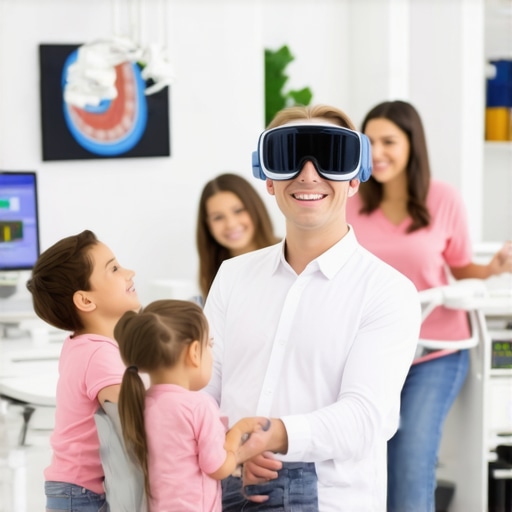
Early in my journey, I made the mistake of dismissing new dental gadgets as unnecessary fluff. But that changed when I watched my son’s anxiety melt away during a recent appointment thanks to a virtual reality (VR) distraction system. It was a simple headset that immersed him in a calming environment, completely diverting his attention from the procedure. Research supports this approach—studies show that VR can significantly reduce dental anxiety, especially in children (source: American Dental Association). This proved to me that adopting the right technology can genuinely improve patient experiences.
So, are these innovations more than just superficial upgrades? Absolutely. They’re rooted in science and designed to improve trust and comfort, which are essential for maintaining good oral health. Now, let’s dive into the three key ways 2026 tech is creating fear-free family dentistry visits—and how you can benefit from them.
Start with a Digital Oral Health Assessment
Before scheduling any procedures, use an AI-powered digital assessment tool available in many modern dental clinics. It allows your family to undergo a comprehensive oral health screening from home or a quick in-office scan, which the dentist can immediately review to plan personalized treatments. I recall using this approach during my youngest child’s checkup; it reduced the usual anxiety because we knew upfront what to expect. This step ensures you’re not walking into surprises and sets the stage for targeted care.
Leverage Virtual Reality Distractions During Procedures
Implement VR systems that transport patients into calming environments—beach vistas, forests, or favorite cartoons. To test this, I experimented with setting up a VR headset for my son during a cavity filling; he was so immersed in the virtual world that he didn’t flinch once. Hospitals now use this tech to mitigate pain and fear. When combined with noise-canceling headphones and pre-procedure reassurance, VR becomes a powerful tool to make appointments stress-free. Integrate this into your regular visits to drastically improve comfort levels.
Use Intraoral Cameras for Clearer Communication
Intraoral cameras are small devices that project high-resolution images of your teeth onto a screen. During my last visit, I observed my dentist inspecting a tiny crack on my molar more precisely, making me aware of issues I couldn’t see with the naked eye. This transparency improves understanding and trust—key factors in patient satisfaction. Advocate for the use of intraoral cameras during checkups, especially for crown placements or Invisalign consultations, to visualize treatment plans clearly.
Incorporate Smart Toothbrushes and Apps
Encourage family members to adopt smart toothbrushes connected to mobile apps. These devices track brushing habits, pressure, and duration, offering real-time feedback. I tried one with my eldest; within days, he improved his brushing technique after receiving tailored tips sent via the app. Regular use of these tools aligns with the 2026 trend of personalized, data-driven oral care, helping prevent issues before they escalate. Incorporate this habit into daily routines to boost overall oral health.
Schedule Follow-Ups Using Automated Reminders
Automated appointment reminders via text or app notifications can prevent missed visits. Last year, I set reminders through the dentist’s portal, which prompted my family to stay on track for cleanings and checkups. This proactive approach keeps your family’s oral hygiene on schedule, reducing the risk of cavities and gum disease. Make it a point to confirm and adjust these reminders as your schedule evolves, ensuring consistent professional care.
Consider Crowns and Invisalign Technology Enhancements
When it comes to restorative or corrective treatments, like crowns and Invisalign, recent technological advances have simplified procedures. For instance, digital impressions eliminate messy molds, replacing them with quick scans—saving time and discomfort. My experience with a crown fitted using modern CAD/CAM technology resulted in a perfect match on the first attempt, with no need for multiple visits. Similarly, next-gen Invisalign aligners now feature smarter materials for faster, more comfortable realignment. Learn more about choosing the right crown in this guide and about Invisalign innovations in this article.
 this comparison of crown materials. Additionally, many believe that Invisalign is just a cosmetic option, yet it effectively addresses complex bite issues and can prevent future muscular Problems, as explained in Invisalign versus braces. However, a common oversight is underestimating the importance of precise treatment planning; relying solely on traditional impressions can compromise results. Embracing digital scans, such as those used in modern crown procedures, ensures accurate fit and longevity. Moreover, many assume that oral health issues are solely caused by poor brushing, but emerging evidence suggests that systemic factors and material selection play crucial roles. For instance, using bio-compatible crowns reduces allergic reactions and enhances tissue health. Beware of the trap of ignoring early signs of crown failure — persistent sensitivity and foul smell are often overlooked symptoms signaling the need for timely replacement, as discussed here.
Now, a question for the advanced thinker: How can understanding material science and biological compatibility improve long-term outcomes in family dentistry? The key lies in selecting solutions tailored not just for function but also for the body’s response, ensuring sustainable oral health. As pointed out in expert insights, integrating cutting-edge research into everyday practice elevates patient trust and results. Recognizing these nuanced distinctions can drastically enhance your approach to family dental care—keeping your loved ones healthier, happier, and more confident in their smiles. Have you ever fallen into this trap? Let me know in the comments.Maintaining excellent oral health requires more than just good brushing habits; it involves leveraging the right tools and adopting consistent maintenance routines. One of my top recommendations is investing in a high-quality powered toothbrush like the Philips Sonicare DiamondClean. Its sonic technology effectively disrupts plaque and reaches areas manual brushes often miss, making daily cleaning more thorough. I personally use it alongside specialized interdental brushes such as TePe Extra Soft, which are invaluable for cleaning between teeth where floss might not reach effectively, especially around crowns and braces. These tools not only improve immediate results but also help prevent issues down the line, safeguarding your investment in restorations like crowns or Invisalign treatment. Predicting the future, I believe digital monitoring devices will become standard, offering real-time feedback and personalized advice to optimize home care routines. To keep your dental investments functioning optimally over time, scheduling regular professional checkups remains crucial. During these visits, professional cleanings and assessments help identify early signs of wear or problems, enabling prompt intervention. Here’s a question to consider: How do I maintain my oral appliances like crowns and Invisalign aligners so they last longer? Consistent cleaning with non-abrasive, fluoride-rich toothpaste, and proper storage of aligners, can make a significant difference. For crowns, avoiding brittle foods, and using protective night guards if you grind, extend their lifespan and functionality. Remember, proactive maintenance isn’t just about avoiding costs—it’s about ensuring your smile stays healthy and confident for years. To streamline your routine, I recommend using scheduling apps like Dental Monitoring, which sync with your dental provider, sending reminders for cleanings and checkups, ensuring consistent care. Incorporating these tools and habits will set a strong foundation for your long-term oral health. Want to take your routine a step further? Try integrating a smart toothbrush system that tracks your brushing habits and provides instant feedback; studies suggest that tracking significantly improves oral hygiene quality over time (source: Journal of Clinical Dentistry). Small, consistent steps like this can have a profound impact on your family’s dental health.
What Hidden Truths Changed My Perspective on Family Dentistry
One of the most eye-opening lessons was realizing that comfort and trust in dental care are built long before the appointment. Investing in the latest tech, like virtual reality distraction systems, can turn anxious visits into positive experiences—something I discovered firsthand when my son’s fear melted away with immersive calming environments. Additionally, embracing digital assessments and intraoral cameras not only streamlines care but also fosters transparency and confidence, making my family more proactive about oral health.
Secondly, I learned that personalized carepowered by data, such as smart toothbrushes and targeted treatment plans, creates a sustainable foundation for long-term wellness. Remembering that each family member’s needs vary emphasizes the importance of tailored solutions—something I now prioritize in our routine and with my dentist.
Lastly, applying advanced materials like zirconia crowns or the latest Invisalign innovations can significantly extend treatment longevity and comfort. Understanding that material science plays a role in health outcomes shifted my mindset—it’s not just about quick fixes but investing in quality that lasts, which ultimately boosts confidence in the smile and overall health.
Reading this post really opened my eyes to how much technology is transforming family dentistry, especially in making visits less stressful for kids. I’ve personally seen how VR headsets can be such a game-changer; my niece used one during her last cleaning, and she was so engrossed that she didn’t flinch once. It makes me wonder how accessible these tools are becoming across different clinics. Do you think all practices will adopt these futuristic solutions soon, or will cost be a limiting factor? I’d love to hear others’ experiences with these tech innovations—whether they’ve seen similar results or encountered challenges integrating them into routine care.