
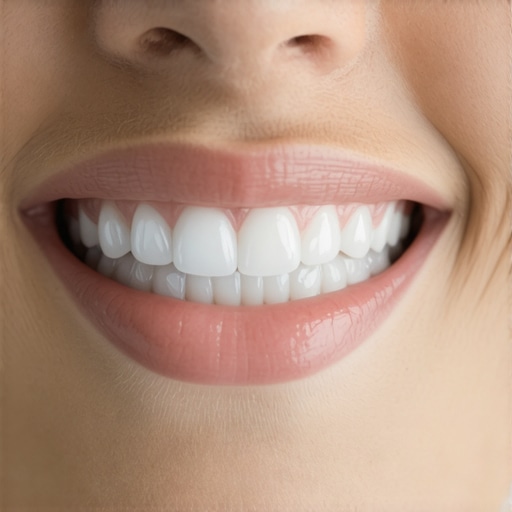
I remember the moment vividly—examining my reflection in the mirror and noticing that my Invisalign trays, which once shimmered like clear glass, had suddenly taken on a dull, cloudy hue. It was disheartening, and honestly, it made me question everything I thought I knew about maintaining these discreet aligners. That lightbulb moment led me down a path of discovery, revealing how simple mistakes can sabotage your smile and your confidence.
If you’re wearing Invisalign and have noticed your trays turning cloudy, you’re not alone. Many patients experience this frustrating issue, often without realizing that their habits or routines might be the culprit. But here’s the good news: understanding the common mistakes can help you keep your trays crystal clear, ensuring your treatment stays on track and your smile remains radiant.
Today, we’re going to delve into the *four key mistakes* that cause your Invisalign trays to lose their transparency in 2026. By the end, you’ll be equipped with practical tips to avoid these pitfalls and maintain the pristine appearance that makes Invisalign so appealing.
Why Your Invisalign Trays Turn Cloudy—And Why It Matters
Invisalign trays are designed to be nearly invisible, allowing you to straighten your teeth discreetly. However, routine habits can quickly turn that clarity into cloudiness, defeating the purpose of these aligners. Over time, this discoloration not only impacts the aesthetic but can also hint at underlying hygiene issues or material degradation. In fact, a study highlights that neglecting proper cleaning routines can lead to buildup, making trays appear dirty or cloudy—something no one wants during their journey to a better smile.
Understanding what causes this cloudiness in 2026 is crucial because it directly affects your treatment success. If the trays look dull or stained, you might be tempted to skip wearing them, risking misalignment or extended treatment times. Being proactive in avoiding these mistakes ensures your Invisalign experience remains smooth, comfortable, and effective.
Have you faced the frustration of cloudy trays mid-treatment? If so, you’re in the right place. Let’s explore the specific errors that might be making your trays less transparent and how you can fix them today.
Master Proper Cleaning Techniques
The first step in maintaining the transparency of your Invisalign trays is establishing an effective cleaning routine. Use a soft-bristled toothbrush and clear, mild soap or a designated Invisalign cleaning crystals solution. In my experience, soaking trays in a mixture of warm water and a few drops of soap for 10 minutes, then gently scrubbing, removes plaque and residue that cause cloudiness. Remember, avoiding abrasive cleaners prevents scratching the surface, which can trap stains and dirt. When I forgot this step once, my trays became visibly dull, but a careful clean restored their clarity.
Develop Consistent Wearing Habits
Consistent wear is crucial—assuming you wear your aligners at least 20-22 hours daily prevents buildup and staining. A missed few hours can lead to saliva, food particles, and bacteria settling on the surface, which clouds the tray over time. I once missed my night wearing and woke up to a cloudy tray. Since then, I set a reminder and kept my trays in their case when not wearing. This habit ensures continuous protection against clouding agents.
Be Mindful of What You Eat and Drink
Food and beverages can stain or degrade your aligners, just like they do with teeth. Avoid colored liquids like coffee, tea, or dark soda while wearing trays. If you do indulge, remove your aligners before, and clean them afterward. Drinking through a straw minimizes contact with the tray surfaces. I learned this during a brunch when I forgot my straw—my tray turned slightly yellow, requiring a deep cleaning to restore its transparency. Think of your aligners as a clear window; what you eat and drink can muddy the view if you’re not careful.
Rinse Immediately After Eating or Drinking
Saliva, food particles, and stains can stick to your trays if left unwashed. Rinsing them using warm water immediately after eating helps remove residue before it settles. I carry a small travel toothbrush and rinse my trays right after meals—this small step keeps them looking like new and prevents cloudiness. It’s akin to wiping a mirror clean before the dust settles—quick action preserves clarity.
Choose Invisalign-Friendly Oral Hygiene Products
Select toothpaste free of abrasives or whitening agents that might scratch or stain the aligners. Brush your teeth thoroughly before reinserting your trays to prevent bacterial buildup and staining. I avoided whitening toothpaste after reading about its abrasive nature, which could scratch my trays. Instead, I use a gentle fluoride toothpaste, ensuring both my teeth and aligners stay pristine. Think of it as preparing a smooth surface—clean teeth and trays work together for a clear smile.
Schedule Regular Dental Check-Ups
Regular visits allow your dentist to professionally clean your trays if needed and monitor for material degradation or staining. They can also advise on specific cleaning techniques if cloudiness persists. I once noticed persistent cloudiness despite my routine and brought it up during my dental visit. The dentist recommended a professional cleaning with ultrasonic tools, which effectively removed stubborn residues, restoring transparency. Routine check-ups are your best safeguard against unnoticed damage that causes cloudiness.
When it comes to oral health, many assume they have the basics down, but beneath the surface lie nuanced details that can significantly influence your dental outcomes. For instance, a common misconception is that whitening or crowns alone make teeth healthy, but expert insights reveal that proper maintenance and understanding material specifics are crucial for longevity. A study published in the Journal of Clinical Dentistry emphasizes that patient education on material differences, like zirconia versus porcelain crowns, directly impacts their lifespan and success. Moreover, a frequently ignored factor is the importance of bio-compatibility in crown materials—aligning with recommendations from leading prosthodontists, which you can explore in detail on [this page](https://familydentistpro.com/why-your-2026-invisalign-trays-dont-click-into-place). Many people also underestimate the subtle signs that reveal their contouring or bonding procedures aren’t as durable as they seem. For example, small cracks or marginal leakage often go unnoticed but are early indicators of potential failure, which can be checked through regular dental visits or by reviewing [these warning signs](https://familydentistpro.com/3-warning-signs-your-dental-crowns-will-fail-in-2026). An advanced mistake is neglecting the impact of occlusion—or bite alignment—on crown and Invisalign longevity. Even slight misalignments can cause uneven wear or dislodgement over time. Addressing this requires specialized evaluation and might involve techniques like digital bite analysis, which many still overlook. If you’re curious about how advanced techniques can enhance your family’s oral health, see [this comprehensive guide](https://familydentistpro.com/family-dentistry-solutions-effective-crowns-invisalign-for-lasting-smiles-2024). Remember, understanding these nuances not only prevents costly repairs but also ensures the health and confidence that come with a truly durable smile. Have you ever fallen into this trap? Let me know in the comments.
Keep It Working: Essential Tools and Techniques
Maintaining your oral health, especially when managing multiple family members’ dental needs, requires the right tools and a strategic approach. Over the years, I’ve personally relied on specific equipment and routines that ensure long-term success with procedures like crowns and Invisalign. For example, I swear by ultrasonic dental scalers, which provide professional-grade cleaning at home—removing plaque and biofilm that can cause staining or material degradation. Regular use of such tools, combined with quality oral hygiene products, keeps dental restorations like crowns in top shape and ensures Invisalign trays stay transparent and effective.
In addition to physical tools, software solutions have revolutionized how we track progress and treatment plans. Digital imaging and patient management systems, like Dentrix or Eaglesoft, allow us to monitor the integrity of crowns and alignment progress efficiently. These technologies help identify early signs of wear or problems before they escalate, saving time and money in the long run.
How do I maintain long-lasting results with my family’s oral health?
Implementing a consistent routine using the right tools is key. For instance, integrating a specialized toothbrush with a built-in timer ensures each family member brushes adequately. I also recommend electric water flossers, which make interdental cleaning easier—especially for those with crowns or braces. Combining these with professional check-ups every six months, where tools like intraoral cameras are used for precise diagnostics, drastically improves the odds of maintaining healthy restorations and overall oral health.
Looking ahead, advancements like AI-powered diagnostics and smart toothbrushes will further personalize and improve family dental care. Embracing these innovations early on will help ensure your family’s smiles stay bright and healthy well into the future. For example, smart devices that track brushing habits can notify you when a family member misses a session, maintaining the consistency necessary for success. Want a practical step? Try integrating a high-tech tool like a sonic toothbrush combined with a digital tracker—these are proven to boost cleaning efficiency and protect your investment in crowns and Invisalign.
Remember, regular professional oversight is essential. Scheduling routine visits allows your dentist to perform advanced evaluations, such as using 3D imaging or Laser fluorescence, to detect early signs of issues. For more tips on safeguarding your crowns, visit this resource.
The Hardest Lesson I Learned About Family Dentistry and Invisalign
One of my most eye-opening experiences came when I realized that even small habits, like forgetting to rinse after meals, could undermine years of careful work with Invisalign. It taught me that consistency isn’t just a helpful tip—it’s the backbone of effective family dentistry. This lesson reminded me to stay vigilant and proactive, because the smallest oversight can lead to clouded trays or even future restorations that need repair.
Why I Never Underestimate Regular Check-Ups
Skipping routine visits seemed harmless at first, but I quickly saw its impact when my dental provider caught early signs of crown wear I couldn’t see myself. Regular check-ups aren’t just about treatment—they’re about prevention and catching issues before they become costly. This insight shifted my entire perspective on family oral health from reactive to truly preventative.
The Power of Personalized Oral Hygiene Tools
Investing in the right tools, like ultrasonic scalers or smart toothbrushes, transformed my routine. Personalized care, tailored with trusted tools, can extend the lifespan of crowns and keep Invisalign trays clear. It’s a lesson that every family deserves the best, and that a custom approach makes all the difference in achieving long-lasting results.
Insider Wisdom for Smiles That Endure
- Small habits, like rinsing immediately after eating, can prevent cloudiness in Invisalign trays—don’t overlook their importance.
- Regular professional assessments can reveal subtle issues, improving long-term outcomes for crowns and orthodontic treatments.
- Choosing the right products and tools isn’t just a personal preference; it’s a critical step towards durable, confident smiles.
My Essential Toolkit for Family Oral Success
Over the years, I’ve relied on a few key resources: first, trusted dental professionals who prioritize prevention, like those found at [this trusted resource](https://familydentistpro.com/family-dentistry-trends-improving-oral-health-for-all-ages). Second, educational materials from reputable sources that explain the nuances between materials—such as zirconia vs. porcelain crowns—help me make informed choices. Lastly, a set of quality oral hygiene gadgets, including ultrasonic cleaners and smart toothbrushes, keeps me regularly aligned with best practices.
Carry That Smile Forward: Your Next Step
Remember, the journey to a lasting family smile isn’t about big changes—it’s about mastering the small, consistent habits that matter most. Every dental decision, from choosing the right crown materials to maintaining Invisalign trays, contributes to more confident, healthier futures. Ready to take that next step? Explore the advanced solutions and expert guidance available at [this comprehensive guide](https://familydentistpro.com/revive-oral-health-confidence-with-expert-crowns-invisalign-2024) and keep your family’s smiles shining bright for years to come.
Reading through this post really resonated with me, especially the part about proper cleaning routines. I used to think that just rinsing my Invisalign trays with water was enough, but I noticed they started looking dull after a while. It wasn’t until I started soaking them in a mild soap solution and gently brushing that I saw a real improvement. It made me realize how small habits can make a big difference in maintaining clarity and hygiene. Also, I’ve found that setting reminders to wear my trays consistently has helped prevent staining and cloudiness. Have others found any apps or tools that assist with keeping track of wear time? It could be a game-changer for those busy schedules! Overall, a tiny change in routine has truly kept my aligners clear and my confidence high during treatment.