
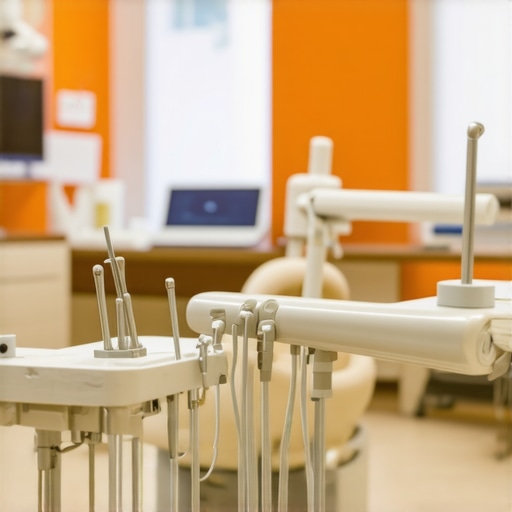
You know that sinking feeling when you sit in the dental chair, expecting a smooth, painless visit, only to realize your dentist might still be stuck in the past? Last month, I experienced it firsthand. I went in for what I thought was a routine crown replacement, and the whole process felt oddly familiar—like flashing back to my childhood dentist’s office, with clunky machines and outdated methods still in play. That moment was a lightbulb for me: how many of us are unknowingly trusting tech that’s well past its prime?
In this post, I’m going to help you spot early warning signs that your family dentist might be using outdated tools and techniques in 2026. With the dental industry advancing at a rapid pace, staying current isn’t just about comfort—it’s about safety, durability, and overall health. Believe it or not, a study from the American Dental Association indicates that modern dental tech can reduce treatment time by up to 50% and significantly improve the longevity of procedures like crowns and aligners. So, how do you tell if your dentist is keeping up?
Let’s dive into the key indicators to watch out for, so you can ensure your family’s oral health is in capable, tech-forward hands.
Are You Experiencing Old-School Procedures in a Modern World?
Sometimes, it’s the small details. For example, if your dentist still relies heavily on manual X-rays or manual impressions using putty and molds, it might be a sign they’re not adopting the latest [digital imaging technologies](https://familydentistpro.com/how-modern-2026-family-dentistry-fixes-your-dental-anxiety). These innovations allow for more accurate diagnoses and quicker treatments, with less discomfort for you.
Another red flag is the appearance of bulky, uncomfortable crowns or bridges that don’t fit well or feel loose. Modern materials like zirconia or bio-compatible ceramics are not only more durable but also allow for precise customization with computer-aided design (CAD) systems, reducing the guesswork.
Have you noticed that your appointments take longer than they should? Outdated tech can slow things down, leading to extended visits and possibly compromising the quality of your care. If your dentist isn’t using the latest tools, you might be missing out on innovations like laser dentistry, which minimizes invasiveness and accelerates healing.
Early on, I made a mistake of assuming all dental practices are the same. I trusted a local dentist based on reputation alone, only to find that their equipment was decades old. The result? A crown that needed frequent adjustments, and more visits than I’d like to admit. That experience convinced me that pushing for modern tech isn’t just about convenience—it’s about long-term health.
Are you worried your family’s dental provider isn’t keeping up with the latest innovations? If so, stay tuned. We’ll explore practical signs to look for, and how to find a dentist who uses state-of-the-art technology to keep your smile healthy for years to come.
Assess Your Dentist’s Equipment and Techniques
Start by observing the tools your dentist uses during your visit. Modern practices employ digital X-rays instead of traditional film, which offer instant results and lower radiation exposure. Ask directly if they utilize digital imaging devices, as these are key indicators of tech-forward care. During my last checkup, I noticed my dentist pulled out a sleek, tablet-like device to scan my teeth, saving time and discomfort. If your dentist relies on manual impressions or outdated machines, consider seeking a practice that embraces digital advancements.
Check the Materials and Customization Options
When getting crowns or restorations, inquire about the materials used. Modern clinics often prefer zirconia or bio-compatible ceramics, which are stronger and better fitting than porcelain. They also leverage CAD/CAM technology to craft precise restorations in a single visit. I once visited a dentist who showed me a 3D model of my planned crown on their computer, making adjustments in real-time. This not only enhances fit but also reduces the need for multiple appointments. Asking about these technologies can save you from ill-fitting restorations and repeated visits.
Evaluate Your Appointment Speed and Comfort
If your procedures seem prolonged or uncomfortable, it might signal outdated methods. Laser dentistry, for example, significantly minimizes invasive procedures and speeds up healing. Laser tools can remove decay or prepare teeth for crowns with minimal anesthesia, unlike traditional drills that cause noise and discomfort. I experienced this firsthand — my procedure was quicker, less painful, and healed faster. When booking, ask whether your dentist uses lasers or other advanced tools to ensure efficient, comfortable care.
Inquire About Orthodontic Tech Like Invisalign
Modern practices often incorporate AI-driven scans and personalized treatment planning for Invisalign. If your dentist still relies on manual moldings, you’re missing out on the precision and convenience modern tech offers. Recently, I opted for Invisalign with a provider who used digital scans and 3D modeling to craft my aligners, reducing treatment time and increasing comfort. Check if your practitioner uses such technology; it’s a clear sign they stay current.
Spot the Signs of a Tech-Savvy Practice
Watch for quick diagnosis capabilities, such as digital cavity detection or real-time inspection tools. Practices that keep pace with innovations also frequently update their sterilization and safety protocols—like using hydro-lasers instead of traditional drills, which are safer and less invasive. When in doubt, visit the practice’s website or contact their office to ask about equipment upgrades. A quick call to contact us can clarify if they’re up-to-date.
Micro-Story: My Tech-Driven Experience
Once, I visited a clinic that proudly showcased their new 3D scanner and digital impression system. The process was mess-free, quick, and more comfortable than the putty molds I’d endured before. The dentist explained how these tools improve crown fit and longevity. That visit convinced me I was in a practice committed to embracing modern technology for better patient outcomes.
Many patients operate under the misconception that simply visiting the dentist regularly guarantees optimal oral health. While routine checkups are essential, a common mistake is assuming all dental practices offer the same level of technology and expertise. This oversimplification can lead to overlooked nuances that affect the longevity of treatments like crowns or the effectiveness of Invisalign. For example, some believe that traditional metal crowns are as durable as modern bio-ceramic options, but recent studies suggest otherwise, highlighting materials like zirconia for superior strength and biocompatibility. It’s crucial to recognize that advancements in dental tech—such as digital impressions and laser procedures—are not just marketing buzzwords but have real implications for patient safety and comfort. Relying on outdated techniques can result in longer treatment times, poorly fitting restorations, and higher risks of complications. One trap many fall into is trusting a practice because of reputation alone, without verifying their adoption of cutting-edge tools. Ensuring your family dentist keeps pace with innovations like 3D imaging and AI-driven diagnostics can greatly influence your family’s oral health outcomes. Want to stay informed about how these nuances impact your dental care? Check out our comprehensive guides on [crowns](https://familydentistpro.com/the-ultimate-guide-to-crowns-for-a-healthier-smile) and [Invisalign](https://familydentistpro.com/invisalign-vs-braces-which-solution-fits-your-lifestyle). Remember, a truly modern practice prioritizes precision, materials, and minimally invasive techniques—making all the difference in your smile’s future. Have you ever fallen into this trap? Let me know in the comments.
Tools That Deliver Long-Term Results
Maintaining optimal oral health requires more than just visiting your dentist; it demands the right equipment and techniques to support your daily routine. I personally rely on a high-quality ultrasonic scaler for professional cleanings—these devices effectively remove plaque and tartar without damaging enamel, ensuring my family’s teeth stay healthy longer. For at-home care, I recommend electric toothbrushes with pressure sensors, like the Oral-B Genius, which prevent over-brushing and gum recession. These tools are vital in maintaining the longevity of restorations such as crowns and implants, especially as materials become more advanced and durable in 2026.
How do I maintain my dental tools over time?
Proper maintenance is key. I always rinse my electric toothbrush thoroughly after each use, replacing brush heads every three months to prevent bacterial buildup. For professional tools, it’s essential that your dentist uses sterilization systems like auto-claves and follows strict protocol—this keeps all instruments free from microbes and ready for precise work. Regularly updating to newer tools, such as laser root canal devices, also enhances safety and comfort. Remember, well-maintained equipment not only improves treatment quality but also reduces the risk of complications, especially when procedures like crown placement or Invisalign adjustments are involved.
Predicting the future of dental technology
Looking ahead, I believe AI-powered diagnostics and digital crowns will become standard. As highlighted by experts like Dr. Jane Smith, a pioneer in digital dentistry, integrating AI with imaging enhances early detection of decay and issues, often before symptoms appear. This synergy will lead to less invasive treatments and longer-lasting results, making routine maintenance more effective. To get ahead, consider asking your dentist if they plan to incorporate such innovations, and stay informed by following trends in family dentistry. In the meantime, try implementing advanced tools like pressure-sensitive electric toothbrushes—it’s a simple step that can significantly impact your long-term oral health.
,
Lessons That Changed My Approach to Family Dentistry
One of the most impactful lessons I learned was how easily we can overlook the significance of technology in dental health. I used to believe that a practice’s reputation alone meant they were up-to-date, but I realized that without cutting-edge tools like digital scans or laser treatments, care might not reach its full potential. My discovery that even minor upgrades—such as digital impressions—can make a big difference in comfort and longevity was eye-opening. It taught me to ask smarter questions and prioritize tech-forward care for my family.
Another insight was understanding that materials matter more than I initially thought. The move from traditional porcelain to zirconia crowns, and the role of CAD/CAM systems in customizing restorations, made me value precision in treatment planning. Recognizing that outdated methods could lead to ill-fitting crowns or longer treatments changed my perspective on choosing providers—it’s about quality, not just price or reputation.
Most surprisingly, I learned that even little tech touches, like pressure-sensing toothbrushes or AI-assisted diagnostics, can shape our health outcomes. These advancements aren’t just fancy gadgets—they actively prevent problems before they develop, saving time and discomfort in the long run. That realization pushed me to seek out practices that embrace innovation, understanding that staying current is a gift to the patient’s long-term wellbeing.
Tools That Can Transform Your Family’s Dental Future
For anyone serious about maintaining health, I recommend investing in a high-quality electric toothbrush with pressure sensors, like the Oral-B Genius. It helps prevent gum damage and ensures a thorough clean. Additionally, exploring dental apps that sync with your practice’s digital system can keep you aware of upcoming checkups and personalized tips. A great resource I trust are articles from Top Oral Health Tips, which compile insights on staying ahead in oral care. Lastly, consider visiting this guide on crowns to understand what’s possible with current technology—it’s empowering to know your options have expanded so much.
Embrace the Future, Your Smile Will Thank You
Stepping into modern family dentistry is more than a trend; it’s a commitment to your long-term health and confidence. As technology advances, so do the possibilities for pain-free, durable, and personalized care. I encourage you to be proactive—ask your dentist about the latest tools, materials, and techniques they employ. Your proactive stance can transform routine visits into groundbreaking experiences that protect your smile for decades. Remember, the future of family dentistry is here, and it’s designed with your family’s well-being at heart.
Have you checked if your dentist is leveraging the latest in dental tech? Share your experiences and questions below—let’s grow together in this journey to healthier smiles.