
I vividly remember the moment I noticed my Invisalign trays warped—after a weekend trip, I pulled them out of my bag, expecting to continue my straightening journey, only to find they now looked like they’d been through a tumble dryer. It was a lightbulb moment. Frustration mixed with concern because I knew that warped trays could compromise my treatment, prolonging the time and increasing costs.
This experience made me realize how many of us might be unknowingly sabotaging our orthodontic progress with simple storage mistakes. If you’re wearing Invisalign or any aligners, you’ve probably wondered at some point, “Why do my trays warp, and what can I do to prevent it?” Well, today, I promise to share practical, easy-to-follow storage tips rooted in personal experience and expert advice that will help keep your trays intact and effective.
Understanding the Real Reasons Behind Invisalign Tray Warping
Before jumping into the fixes, let’s first understand why trays warp in the first place. Invisalign trays are made from BPA-free plastic designed to be durable but not indestructible. Exposure to heat, especially high temperatures, can soften the plastic, leading to warping. For example, leaving your trays in direct sunlight on a hot dashboard or storing them near a heating vent might seem harmless but can cause irreversible damage. Keeping them in a safe, cool place is essential.
Early in my treatment, I made a crucial mistake—storing my trays in a paper envelope that was thin and conducted heat easily during a summer picnic. That tiny oversight set me back a few days of proper alignment because the warped trays no longer fit perfectly. Trust me, I’ve learned the hard way that correct storage isn’t just about convenience; it’s about ensuring your entire Invisalign journey stays on track.
If you’re curious about how Invisalign impacts family dental health overall, check out [this insightful article](https://familydentistpro.com/how-invisalign-transforms-family-dentistry-in-2025). Now, let’s look at how you can safeguard your trays from these common but avoidable mishaps.
Choose the Right Container for Safety
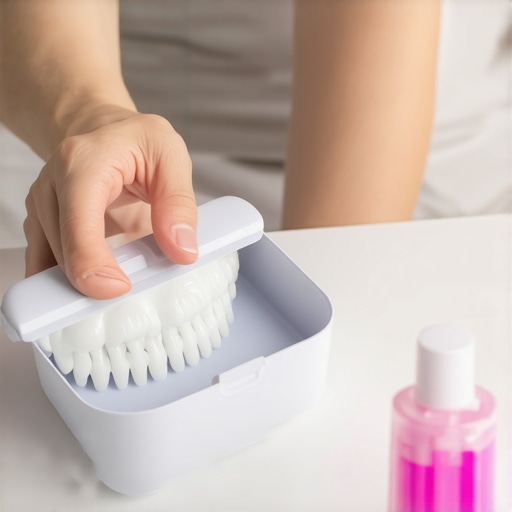
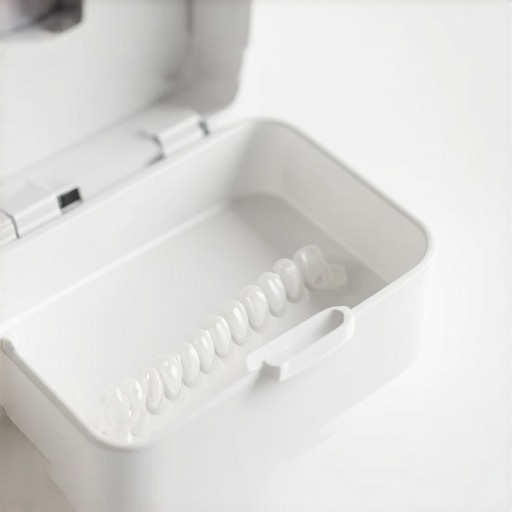
Use a sturdy, ventilated case specifically designed for aligners instead of flimsy envelopes or plastic bags. I once placed my trays in a paper napkin during a flight, thinking it was enough—until I arrived and found them bent and sticky. Switching to a dedicated case kept my trays safe and clean, making a real difference in their longevity.
Keep Trays in a Cool, Dry Place
Heat is a major enemy. Store your trays away from sunlight, hot cars, or near heating vents. I learned this during a summer picnic when I left my trays in my backpack, which was in the sun. The plastic softened slightly, causing misfit. Now, I always keep my trays in the air-conditioned bedroom drawer, preventing warping.
Avoid Bacterial Build-Up with Proper Cleaning
Regularly rinse and brush your trays with soap and water—never hot water, which can deform the plastic. I started using a gentle toothbrush and non-abrasive soap, which kept my trays clear and fit snugly. Remember, unclean trays can harbor bacteria and affect your oral health, so good hygiene is essential.
Don’t Leave Trays in the Open
When you’re not wearing them, avoid leaving trays on countertops or in damp environments. I used to toss mine on the bathroom shelf, but this exposed them to moisture and accidental knocks. Now, I always store them in their case immediately after removal, ensuring they stay intact for your next use.
Handle Trays Gently During Insertion and Removal
Avoid bending or using excessive force when taking out or putting in aligners. During my first week, I was careless and snapped a tray slightly. Afterward, I made a habit of using both hands and gentle movements, which kept my trays perfectly fitting and avoided unintended warping.
Expert Tip: Reinforce Your Storage Routine
By integrating these habits—proper container choices, cool environments, diligent cleaning, careful handling—you build a protective routine. This not only preserves your trays but also accelerates your orthodontic progress, saving time and money along the way. For a detailed understanding of advanced crown care, check out why crowns are a game changer.
 While many believe that family dentistry is simply about routine checkups, the truth is that it involves nuanced understanding of dental materials and techniques that can dramatically affect long-term oral health outcomes. A common misconception is that all dental crowns are created equal; in reality, the choice of materials and the expertise of your dentist influence durability and appearance,making expert advice essential. Similarly, the popularity of Invisalign has led some to think it’s a one-size-fits-all solution—however, advanced cases may require combinations of orthodontic approaches, and misguided self-assessment can delay proper treatment. It’s tempting to assume that maintaining oral health is primarily about brushing and flossing, but recent studies highlight the importance of understanding material sensitivities and the role of bioactive restorations, which sometimes surpass traditional methods in preventing decay.
Are Invisalign Attachments Necessary for Every Smile?
People often believe attachments are optional, but research shows that in complex cases, attaching them improves alignment precision and reduces treatment time, a nuance often overlooked by casual users. Ignoring these advanced details can lead to prolonged treatments or suboptimal results. Additionally, many underestimate how lifestyle factors—like diet and habits—interact with dental materials. For instance, eating certain foods can accelerate wear on crowns or cause discoloration, which many dismiss as inevitable, but evidence suggests proactive management extends restorations’ lifespan.
Furthermore, myths persist about family dentistry procedures being invasive or painful, but advancements in laser technology and sedation options mean that many procedures are now minimally invasive and comfortable. Yet, patients often avoid necessary treatments out of outdated fears, risking more severe problems later. For example, failing to address early signs of crown failure or gum recession can compromise entire dental arches, leading to complex and costly interventions.
In the end, understanding these nuances ensures that you advocate effectively for your oral health. Avoid falling for oversimplifications or myths—be proactive and well-informed. For example, knowing when—and why—to opt for bio-compatible crowns can prevent allergic reactions and improve overall health, which you can learn more about here. Curious about how to identify early signs of crown failure? Check this article.
Have you ever fallen into this trap? Let me know in the comments.Maintaining optimal oral health and ensuring your dental treatments, like Invisalign and crowns, last requires the right tools and consistent routines. Personally, I swear by using a high-quality ultrasonic cleaner for Invisalign attachments, which I find is more effective in removing stubborn plaque without damaging the material. This small device vibrates at a frequency that dislodges debris effectively, helping me keep my aligners pristine and odor-free. Regularly cleaning with such tools extends the lifespan of your aligners and reduces the risk of bacteria buildup, ultimately supporting long-term oral health.
Another essential tool I highly recommend is a dentist-approved silicone-based lubricant for crowns and bridges. Applying a tiny amount before meals helps prevent food from sticking and minimizes staining or plaque accumulation. Maintaining this simple habit has noticeably extended the aesthetic and functional life of my dental restorations.
Digital apps for tracking oral care routines are also transforming how we maintain our treatments. I use a specialized app that reminds me to switch my Invisalign trays as scheduled and logs my cleaning sessions. These apps, like the **MySmileGuide**, leverage technology to reinforce discipline and provide personalized tips based on your treatment progress, making long-term maintenance less daunting.
Looking ahead, I predict that smart toothbrushes with integrated sensors will become standard for dental care. These devices can detect areas missed during brushing or flossing, providing real-time feedback via smartphone apps. Innovations like these will empower patients to take more control over their oral health, preventing issues before they escalate.
**How do I maintain Invisalign trays and crowns over time?** Consistent cleaning with ultrasonic devices, applying targeted lubricants, and utilizing digital tracking tools are crucial. For example, I meticulously follow my dentist’s instructions for crown care, including using bio-compatible sealants that prevent micro-leakage. Exploring these advanced tools and tech like ultrasonic cleaners and smart apps can significantly improve treatment outcomes. I encourage you to try integrating an ultrasonic cleaner into your routine—it’s made a remarkable difference for me. For more insights on prolonging the life of dental restorations, visit this helpful guide and make your dental health journey smoother.
What I Wish I Had Known Before Warping Trays Changed My Outlook
One of the most profound lessons I learned was that simple storage habits can make or break your orthodontic success. Properly storing Invisalign trays not only saves time and money but also preserves your commitment to a confident smile. Knowing that heat and careless handling are enemies to these delicate devices inspired me to develop a routine that keeps my trays fitting perfectly, which in turn accelerated my treatment progress.
Another insight was realizing how overlooked tools, like ultrasonic cleaners or specialized compressible holders, can drastically reduce bacteria buildup without risking damage. These small but powerful investments transformed my maintenance approach and prevented common issues like discoloration or warping, reinforcing that effective oral health hinges on consistent, informed habits.
Lastly, I discovered that integrating digital aids—such as treatment tracking apps—created an extra layer of accountability, ensuring I followed best practices even during busy days. This tech-savvy approach not only kept my regimen on track but also empowered me with real-time feedback, fostering a sense of control and confidence in my journey toward a healthier smile.