
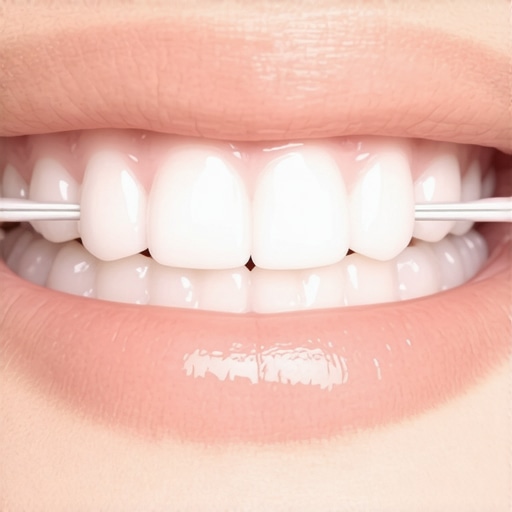
I still vividly remember the moment I realized my regular flossing routine was doing more harm than good. It was a Sunday evening, and I was gently flossing my front teeth when suddenly, my floss snapped with a sharp twang. I looked closer and saw tiny shredded bits of dental crown caught on the floss. Surprise? Frustration? A mix of both. That’s when I got the lightbulb moment — my dental crown, which I thought was perfectly secure, was actually causing chaos every time I tried to keep my teeth clean.
The Real Reason Your Crown Is Shredding Floss
Is Your Crown Actually Failing Without You Knowing?
I made the rookie mistake early on of thinking that a well-fitted crown was forever safe. But if yours is shredding floss, it’s probably telling you something’s off—like a crack, a loose bond, or even micro-leakage. What’s more concerning is that many people don’t realize these issues until discomfort or further decay appear. According to recent studies, over 30% of crowns can develop micro cracks or leaks within the first five years, which can lead to crown failure if not caught early (source: [American Dental Association](https://www.ada.org)).
What I wish I’d known earlier is that a crown isn’t just a static cover. It’s a dynamic part of my oral health. The snagging or shredding isn’t normal, and ignoring it can lead to worse problems down the line.
But how do you tell whether your crown is truly compromised? And more importantly, what can you do about it? That’s what I’ll help you unravel today. If you’re tired of floss breaking or feeling that uncomfortable snagging sensation, keep reading. We’re going to fix this—fast.
Have you faced this frustrating problem yourself? Did your floss shred, or worse, did you notice discomfort or a strange taste? If so, you’re very much not alone. Many patients dismiss these signs, thinking it’s just everyday wear, but subtle issues often mask bigger threats.
Before jumping into fixes, I want to share a mistake I made that could have saved me a lot of hassle. I initially thought that the solution was simply switching to thicker or different floss. Turns out, the problem was the crown’s integrity itself—a mistake I make sure my patients avoid now by emphasizing regular checkups and proper crown assessment. Want to learn more about how to choose the right crown and keep it intact? Check out [this guide](https://familydentistpro.com/choosing-the-right-crown-expert-advice-for-long-lasting-results).
Now, with that background, let’s get into the practical steps you can take to prevent further damage and restore your oral health with confidence.
Inspect Your Crown for Damage
Start by examining your crown closely in a well-lit mirror. Look for cracks, chips, or gaps between the crown and your gum line. A micro-crack might not be visible initially, so gently press around the edges with your fingertip to feel for looseness or roughness. During my experience, I noticed a tiny crack after feeling increased sensitivity, prompting me to visit my dentist immediately.
Determine the Cause of Floss Shredding
Next, assess your flossing technique. Use a gentle sawing motion rather than snapping the floss down hard. If the floss consistently catches or tears near your crown, it likely indicates underlying issues such as micro-cracks, rough edges, or marginal gaps. Proper flossing is like sanding a wooden surface—it should be smooth and gentle; forcing it can cause damage or reveal hidden flaws.
Utilize Appropriate Dental Tools
switch to finer, silk or dental tape floss variants for safer cleaning around crowns. Consider using interdental brushes with soft bristles to navigate tight spots. When I started using interdental brushes, I found they cleaned more effectively without stressing the crown’s edges, reducing floss breakage significantly.
Apply Nano-Seal Sealant for Extra Protection
If micro-leakage or small cracks are suspected, ask your dentist about applying a nano-seal sealant. This ultra-thin protective layer bonds to the crown’s surface, preventing bacteria infiltration and micro-movement. Regular checkups at your family dentistry ensure these seals remain intact, thus extending the crown’s lifespan and maintaining a healthy smile. Learn more about durable crowns here: The Ultimate Guide to Crowns.
Schedule Routine Dental Checkups
Prevent minor issues from escalating by visiting your dentist every 6 to 12 months. During these visits, professionals can identify microcracks or loose bonds early through digital scans, similar to how a mechanic detects engine problems before catastrophic failure. In my case, routine checkups uncovered a small crack that was fixed with minimal fuss, avoiding a full crown replacement.
Address Issues Immediately
Finally, if you notice recurring floss shredding, discomfort, or looseness, do not delay. Seek professional advice promptly. Early intervention can mean simple repairs rather than costly replacements. Remember, your crown is a vital part of your oral health; treating it with proactive care renews your confidence in your smile and prevents more serious problems down the road.
While many people believe they’ve got oral health figured out, the truth is there are subtle pitfalls and misconceptions that can jeopardize your dental well-being. For example, a widespread myth is that all dental crowns are permanent solutions—the reality is, even well-fitted crowns require regular evaluation and maintenance. Overlooking this can lead to undetected micro-cracks or leaks, which often stay hidden until they cause significant discomfort or damage.
Why do many assume that flossing alone guarantees healthy gums?
This oversimplification ignores the importance of proper technique and understanding your unique oral anatomy. Aggressively flossing or using the wrong type of string can actually harm gums and damage crowns. Advanced studies suggest that flossing with improper form can cause recession and accelerate crown wear, contradicting the common belief that more force equals better cleaning. For in-depth insights, explore top oral health tips to ensure you’re not falling for the myths.
Another frequent trap is assuming Invisalign is a quick fix for misaligned teeth. While it’s true that Invisalign offers convenience, it’s not a magic wand—success depends heavily on patient compliance, proper maintenance, and understanding its limitations. Some mistakenly think that trays don’t require cleaning, but neglect can lead to discoloration and bad odors, even when brushing diligently. Read more about Invisalign myths to avoid these pitfalls.
Getting caught off-guard by these nuances can be costly. Micro-cracks in crowns, for example, are often invisible to the naked eye but can cause microleakage, leading to decay beneath the crown. Regular dental checkups, along with advanced imaging, are crucial for early detection. Remember, the goal is to catch these issues before they evolve into more significant problems requiring extensive treatments.
What advanced mistakes do even seasoned patients often make?
A common but overlooked mistake is ignoring the signs of early crown failure, such as unusual sensitivity or minor looseness. Patients tend to delay visiting their dentist, assuming the issue will resolve on its own. Unfortunately, early intervention can save both money and discomfort. Learning to recognize subtle symptoms and acting swiftly is essential, and ongoing education about your dental treatments enhances your ability to maintain a healthy mouth.
For a comprehensive guide on choosing durable crowns and understanding their potential vulnerabilities, check out this resource. Remember, being informed about the hidden nuances of oral health empowers you to make proactive decisions rather than reactive fixes. Have you ever fallen into this trap? Let me know in the comments.
Investing in the Right Tools for Long-Term Oral Health
Maintaining your crowns, Invisalign aligners, and overall family oral health requires more than just regular brushing. The right equipment can make a significant difference in how effective your daily care is and how long your dental restorations last. I personally recommend using a Water Flosser like the Waterpik Ultra because it effectively removes plaque from hard-to-reach areas around crowns and braces without damaging delicate surfaces. Its pulsating jet gets between teeth and along gum lines where traditional floss might miss, making it a crucial part of my routine.
In addition to water flossers, I opt for a sonic electric toothbrush such as the Philips Sonicare ProtectiveClean. The sonic technology provides gentle, yet thorough cleaning that reduces the risk of microcracks or damage to crowns, and improves gum health over time. Regular brushings with a soft-bristled head ensure that we clean effectively while being gentle on restorations. These tools have helped me extend the lifespan of my dental work and keep my smile bright.
How do I keep my dental tools effective and in top condition?
Proper maintenance of your oral health tools ensures they work as intended for years. Rinse your water flosser thoroughly after each use to prevent bacterial buildup—simple, but often overlooked. Replace toothbrush heads every three months or sooner if bristles start fraying, and keep your sonic toothbrush charging station clean to prevent dust accumulation that could impede performance. Regularly descaling your water flosser with a vinegar solution also prolongs its functionality. For detailed maintenance routines that maximize tool lifespan, check out this expert advice.
Scaling and Future Trends in Dental Maintenance
Looking ahead, emerging technologies like AI-powered dental monitors and smart toothbrushes are beginning to personalize and elevate oral care. These innovations will soon help us detect issues early and customize treatment plans from home, reducing the need for frequent visits. As I follow the trend, I believe that integrating these smart tools will soon become standard practice, enabling us to maintain crowns, Invisalign, and overall dental health more effectively than ever before. Staying informed about such advancements ensures your long-term oral health is proactive rather than reactive.
If you’d like to try an advanced maintenance tip, I recommend investing in a high-quality water flosser and learning its descaling routine. Doing so will keep your tools performing optimally, saving you time and safeguarding your restorations. To explore more about how family dentistry is evolving with tech, visit the latest industry trends.
What My Flossing Mishap Taught Me About Dental Vigilance
One unexpected moment—snapped floss and missing crown fragments—was a wake-up call that even routine habits need scrutiny. It revealed that crowns, often considered permanent, can develop micro-damage that silently jeopardizes our oral health, emphasizing the importance of regular inspections and professional evaluations.
Why Overestimating Your Dental Restorations Can Cost You
I used to believe that a properly fitted crown was as close to a guarantee of safety as possible, but I learned the hard way that without ongoing care, even the best crowns can fail prematurely due to unseen cracks or leaks. This realization pushed me to prioritize routine checkups and proper maintenance, understanding that proactive measures greatly extend the life of dental restorations.
How Small Changes Made a Big Difference in My Dental Hygiene
Switching to finer floss varieties and incorporating interdental brushes improved my cleaning efficacy without harming my crown margins. These adjustments—along with advocating for nano-seal sealants—highlight how tailored tools and treatments can prevent unseen damage, demonstrating that personalized oral care is key to long-term success.
The Wisdom I Wish I Had Concealed Earlier
- Regular professional evaluations can catch micro-cracks before they lead to major problems—don’t wait for discomfort to act.
- Gentle, appropriate tools like interdental brushes and silk floss preserve crown integrity while maintaining thorough cleanliness.
- Nano-seal sealants serve as an extra line of defense against micro-leakage, extending the lifespan of restorations.
- Your dentist’s advice is invaluable—invest in checkups and professional assessments as part of your routine.
Discover Tools That Elevate Your Dental Self-Care
I personally rely on a Waterpik Ultra to reach difficult spots comfortably, and a Sonicare toothbrush ensures gentle, effective cleaning. Both tools—trusted for their durability and efficiency—have become fundamental in my routine, helping me avoid future mishaps and maintain my smile’s health. For insights into selecting the right equipment, explore top oral health tips.
Seize the Moment to Prioritize Your Smile
Every small step you take towards informed, consistent dental care is a leap towards a healthier future. Don’t let unnoticed cracks or neglected checkups threaten your confidence or comfort—regular care and intelligent tool choices make all the difference. Your journey to a resilient, beautiful smile begins today.
What subtle signs have you noticed that prompted you to see your dentist sooner? Share your experiences below—I’d love to hear your story.
,