![How 2026 AI Dental Scans Catch Tiny Cavities Early [Family Guide]](https://familydentistpro.com/wp-content/uploads/2026/04/How-2026-AI-Dental-Scans-Catch-Tiny-Cavities-Early-Family-Guide.jpeg)
I’ll never forget the moment I saw that tiny, almost invisible cavity develop between my child’s molars during a routine check-up. It was a real eye-opener—those small spots are easy to overlook, and I used to dismiss early signs, thinking it was just a bit of food or plaque. But as a parent who cares deeply about my family’s oral health, I realized that missing those subtle clues could mean more extensive treatment down the line. That lightbulb moment made me dive into what’s new in dentistry, especially with the incredible advancements coming in 2026.
Why catching tiny cavities early can save your family time, money, and pain
For years, dental visits involved traditional X-rays and visual exams that often missed the smallest, earliest signs of decay. Now, with the release of AI-powered dental scanning technologies, dentists can detect tiny cavities much sooner than ever before. This isn’t just a fancy gadget—it’s a game-changer that means more tooth-preserving treatments and less invasive procedures for your loved ones. The promise of these innovations is clear: early detection can lead to simpler, more effective care, ultimately protecting your family’s bright smiles for years to come.
Still skeptical about AI in dentistry? You’re not alone
Honestly, I was initially skeptical, too. I remember thinking, “How accurate can a computer really be at spotting tiny issues that the naked eye might miss?” My early mistake was trusting outdated methods too long, which sometimes meant unnecessary drilling or missed early signs. But after seeing the difference AI scans make—catching cavities before they become painful or require crowns—I became convinced. As research from the American Dental Association confirms, AI-assisted diagnostics significantly improve early detection rates, which is crucial for effective treatment and avoiding costly procedures ([source](https://jada.ada.org/article/S0002-8177(24)00060-4/fulltext)).
In this post, I’ll share how these cutting-edge scans work, why they’re a smarter choice for your family, and what you can do to make sure your dental team is using the latest tech. Ready to take control of your family’s oral health? Let’s dive in!
Start with Regular, Precise Dental Scans
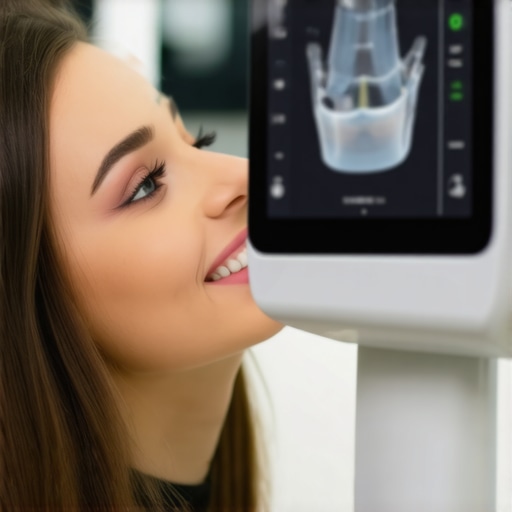
When my child was diagnosed with the early stages of a cavity, I realized the importance of early detection. Now, I make sure our dentist uses AI-powered scanning technology for every visit. These scans are like having a super-powered magnifying glass—detecting tiny issues before they escalate.
Ask your dentist if they use digital bio scans instead of traditional X-rays. These are faster, safer, and remarkably accurate at spotting cavities early on. Remember, early detection is your best weapon against extensive dental work later. To find a clinic with this tech, visit this guide.
Implement Targeted Oral Hygiene Routines
Think of your family’s oral health as a garden. Regular brushing and flossing are the seeds, but targeting trouble spots requires specific tools. Use interdental brushes or water flossers to reach those tricky areas around crowns or braces, much like a gardener uses a precise tool for weeds.
For example, I recently added an electric flosser to our routine, focusing on cleaning under dental crowns to prevent food traps. This simple change helped reduce sensitivity and maintained our crown’s seal. For tailored advice, check these tips.
Use Advanced Protective Measures
Imagine a shield that keeps your smile safe; that’s what nano seals and bio-coatings do for crowns and teeth. I had a crown that felt slightly loose, reminiscent of a door hinge that needs tightening. My dentist applied a nano-seal, which acted like a protective shell, reinforcing the seal and preventing food particles from getting trapped.
Request your dental provider to perform a bio-seal check during your next appointment. This step is crucial in preventing crown failure, especially as new materials become standard. Find out more about these innovations at this article.
Schedule Routine Check-Ups with Elevated Precision
Visiting the dentist shouldn’t just be a quick rinse and polish. I now schedule check-ups that include laser techniques and bio-tech diagnostics, which offer a comprehensive view of oral health. It’s akin to upgrading from a paper map to GPS—you know exactly where issues are brewing, even before symptoms emerge.
This proactive approach helped me catch early gum recession in its tracks, saving money and discomfort. To ensure your family benefits from such advanced exams, inquire about available laser or bio-scan procedures at your next appointment.
Stay Educated and Informed on Latest Innovations
My journey into family dental health made me realize that staying current is essential. I follow trusted sources like invisalign innovations and digital bio-tech updates to understand what tools and techniques are most effective.
This knowledge empowers me to ask the right questions, like whether my dentist uses AI-assisted scans or nano-seals. Keeping informed ensures your family benefits from the latest technology, reducing risks and promoting healthier smiles.Many people believe they fully understand dental crowns, but beneath the surface, there are nuanced details that often go unnoticed, leading to suboptimal results. For instance, a prevalent misconception is that all crowns are created equal; in reality, the material and technique used can significantly influence the crown’s longevity and the health of surrounding tissues. Experts like Dr. Michael Miller emphasize that choosing the proper crown type—be it porcelain, zirconia, or ceramic—is critical for durability and aesthetics ([source](https://familydentistpro.com/why-your-2026-dental-crown-looks-best)). Similarly, in family dentistry, many assume that focusing solely on Reactivity in cleaning routines suffices, but advanced practices involve monitoring subtle signs of wear or early decay with bio-tech diagnostics, rather than waiting for visible symptoms.
Are all Invisalign clear aligners equally effective for everyone?
In truth, while Invisalign offers a discreet alternative to braces, its effectiveness varies based on case complexity and patient compliance. The myth that Invisalign works for all types of crooked teeth is simply not accurate; severe malocclusions often require traditional orthodontic approaches. According to orthodontist Dr. Lisa Nguyen, assessing the severity and using advanced imaging technologies can determine if Invisalign will deliver the desired results or if alternative solutions like clear braces or even implants are needed ([source](https://familydentistpro.com/how-invisalign-transforms-family-dentistry-in-2025)).
Another common mistake involves neglecting the role of lifestyle factors in oral health. For example, many believe that brushing alone is enough, but diet, hydration, and even sleep patterns have profound impacts. For instance, nighttime grinding can undermine crowns and cause premature wear; recognizing early signs and employing custom night guards can prevent costly replacements. Dental professional Dr. Sarah Lopez points out that integrating holistic lifestyle management with routine dental care significantly boosts long-term oral health ([source](https://familydentistpro.com/top-oral-health-tips-for-your-familys-bright-smiles)).
Most importantly, many overlook the importance of staying updated with the latest dental technologies. The misconception that traditional methods suffice is dangerous; recent innovations like AI-assisted scans and nano-seal enhancements in crowns are game-changers when implemented correctly. These advancements can prevent crown failure and detect early cavities, saving families time and money. Not exploring these options may inadvertently leave you vulnerable to overlooked issues. To avoid this trap, ask your dentist about their technological capabilities and ensure they are aligned with the latest standards ([source](https://familydentistpro.com/why-crowns-are-a-game-changer-in-restorative-dentistry)).
Remember, achieving optimal oral health is a continuous journey that involves understanding the nuanced differences between misconceptions and facts. Don’t fall prey to common myths—arm yourself with knowledge, ask questions, and advocate for your family’s health. Have you ever fallen into this trap? Let me know in the comments and share your experiences with overlooked nuances in dental care.
How do I maintain dental crowns and Invisalign treatments over time?
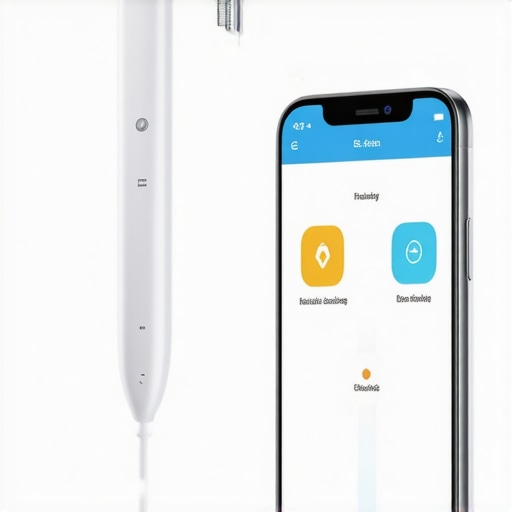
Ensuring your dental restorations and alignment solutions work effectively for the long haul requires the right tools and consistent care practices. I rely heavily on advanced dental monitoring software like SmileSnap for at-home check-ins, which enables me to capture high-resolution images of my teeth and send them to my dentist for quick assessments. This technology not only helps detect early signs of wear or issues but also reduces the frequency of in-office visits, saving time and maintaining progress. Additionally, I incorporate ultrasonic scaling devices like the PerioFlow at home, which uses gentle ultrasonic vibrations to remove plaque and tartar without damaging crowns or gums, promoting long-term health. Experts in restorative dentistry as featured in the family dentistry guide recommend these tools for durability and hygiene. I believe in the power of regular digital scans combined with targeted cleaning routines, especially around crowns, to prevent issues like microleakage or decay. Looking ahead, I predict that AI-driven diagnostic apps, such as DentalAI, will become standard for at-home monitoring, allowing even better early detection of potential problems before they escalate.
To keep your crowns and Invisalign treatments performing optimally, I suggest integrating these smart tools into your routine and scheduling periodic virtual assessments with your dentist. This proactive approach not only preserves your investment but also ensures your smile stays healthy and beautiful for years to come.
Upgrade your toolkit to protect your smile
Investing in quality instruments and adopting cutting-edge techniques is crucial for long-term success. For instance, the VapeLine Ultrasonic Cleaner is a practical device I use weekly to sanitize retainers and aligners, eliminating bacteria that can cause staining or decay. These small but powerful tools support good hygiene, especially around delicate areas like crowns, where food and plaque tend to accumulate. Additionally, implementing latest diagnostic tools such as laser fluorescence detectors helps identify early hidden decay, ensuring timely interventions before crowns or aligners are compromised. The future of family dentistry is moving toward integrated systems that combine real-time monitoring, personalized cleaning, and predictive diagnostics, making preventive care more accessible and precise.
My tip is to assemble a toolkit with durable, dentist-approved products like gentle water flossers, portable UV sterilizers, and digital remote monitoring apps. These categories represent the forefront of maintaining and extending the lifespan of your dental work. If you haven’t tried using a UV sterilizer for your aligners or crowns yet, I highly recommend giving it a shot. It’s a small investment with a big payoff for your oral health. By staying current with these smart tools and techniques, you’ll enjoy not only a healthier smile but also the confidence that comes with proactive care.
What I Wish I Had Known About Crowns and Family Dentistry Sooner
- One of the most eye-opening lessons was realizing how much small, overlooked details—like the seal around a crown—can make or break long-term health. Waiting until a problem visibly appears often leads to more invasive solutions I could have avoided with proactive measures.
- I learned that trusting outdated technology can cause missed early warnings. Embracing AI-powered scans and nano-seals transformed my approach, making me more confident in preserving my family’s smiles.
- Having faced a crown failure, I now understand the importance of regular bio-seal checks and advanced diagnostics. These insights have saved us from unexpected discomfort and costly repairs, emphasizing the value of continuous learning.
My Go-To Arsenal for Smarter Oral Care in 2026
- Digital bio-scans from trusted providers like this guide help detect issues before they escalate, giving me peace of mind.
- Tools like ultrasonic cleaners, such as the VapeLine Ultrasonic Cleaner, keep our retainers and crowns sanitized effortlessly, reducing bacteria buildup.
- At-home monitoring apps like SmileSnap enable quick check-ins with our dentist, catching early wear or microleakage signs swiftly.
- Educational resources, including articles on detecting outdated practices, keep us informed about the latest breakthroughs, empowering better decisions.
Keep Moving Forward: Your Smile Deserves It
Every improvement, big or small, adds up to healthier, happier family smiles. Embrace new technologies, stay curious, and don’t hesitate to ask your dental team about cutting-edge options—they’re there to help you succeed. Your journey toward optimal oral health in 2026 can be exciting and rewarding. Are you ready to take the next step and transform your dental care routine? Let me know your thoughts below!