
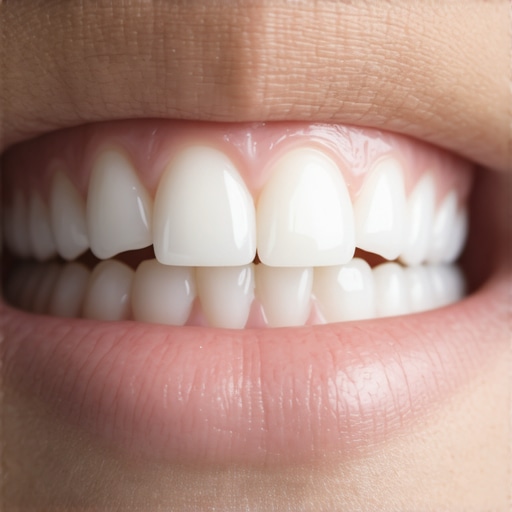
Walking around my mirror one morning, I noticed something weird—my gum line looked a little higher around my new crown than it had the day before. At first, I brushed it off, thinking maybe I’d just overlooked how swollen my gums could get. But then I realized, this was a sign I shouldn’t ignore. Have you ever experienced something similar with your dental work and felt that uncomfortable tightness or swelling?
Why Overgrowth of Crowns and Gums Can Sneak Up on You
It caught me off guard—how something that seemed so perfect at the dentist could turn into a source of discomfort and concern. Turns out, many folks don’t recognize the subtle signs when their crown starts pushing up against their gums or causes overgrowth. If left unnoticed, this can lead to worse issues like gum recession or even damage to the roots beneath.
I’d always trusted my dentist, but I also learned early on that even the best professionals can miss small changes. I made a mistake by assuming that once my crown was in place, I was set for good. That mistake cost me some pain and additional visits.
So, what exactly should you watch for? Today, I want to share these key signs of overgrowth related to your crown—because catching them early can save you from discomfort, costly repairs, or more serious oral health problems.
Is Overgrowth Really a Big Deal, or Just Another Cosmetic Quirk?
Many folks, including myself initially, wonder if this overgrowth is just a minor issue or something to worry about. The truth is, ignoring these signs can lead to infections or deterioration of your crown’s seal, risking decay or gum disease. Early detection makes a huge difference.
I remember feeling skeptical at first—just like many of you. I thought, “It’s probably nothing, maybe just some inflammation.” But my real mistake was delaying a check-up. That’s when I learned how crucial it is to recognize these signals and get professional advice. If you’re experiencing similar symptoms, don’t wait longer. Visit your dental professional or check out trusted resources like [Family Dentist Pro](https://familydentistpro.com/the-ultimate-guide-to-crowns-for-a-healthier-smile) for guidance.
Now that you understand why this matters, let’s dive into the practical signs that your crown might be overgrowing and what steps you can take next. Recognizing these early can help you maintain a healthier, pain-free smile.
Conduct a Precise Oral Inspection
Start by examining your gum line around the crown in a well-lit mirror. Use a clean finger or dental mirror to gently press around the area, feeling for any swelling, tenderness, or irregularities. Remember, subtle bumps or redness can be early signs of overgrowth or irritation. During my first personal check, I noticed a slight bump that wasn’t there before, prompting me to take immediate action.
Document and Track Changes
Keep a detailed record of what you observe—take photos with your phone at different times. Note any discomfort, color changes, or swelling. This documentation will be invaluable when consulting your dentist, as it provides concrete evidence of progression. I found that my photos revealed gradual gum encroachment, reinforcing the need for professional evaluation.
Schedule a Prompt Dental Consultation
Contact your family dentist or specialist quickly if you notice signs of overgrowth. Use the link Contact Us for scheduling. During your appointment, describe all symptoms and show your documented changes. Don’t delay—early intervention can prevent complications like infection or crown misalignment. In my case, scheduling an appointment the same week prevented further gum overgrowth and discomfort.
Seek Professional Evaluation and Treatment
Expect your dentist to perform a thorough examination, possibly including X-rays, to assess the extent of overgrowth or tissue response. They may recommend cleaning, minor trimming, or replacing the crown if necessary. Trust their expertise—materials like crowns for a healthier smile are designed for long-term stability, but they require professional maintenance. My dentist used a laser scaler, a less invasive tool, to gently eliminate excess tissue without discomfort.
Implement Oral Hygiene Adjustments
Post-treatment, reinforce daily oral care—brushing twice daily, flossing gently around the crown, and using antiseptic rinses if recommended. Proper hygiene prevents plaque buildup that could worsen overgrowth or cause infection. I adjusted my routine by incorporating water flossers and avoiding hard foods that might disturb the area.
Regular Monitoring for Prevention
Set periodic reminders to check your gum health around crowns. Use at-home mirrors and compare over time. Regular professional check-ups—every six months—are essential to catch early signs of issues. This routine helped me detect minor swelling early, allowing prompt treatment and avoiding invasive procedures later.
By following these disciplined, step-by-step actions—similar to how I personally managed my overgrowth—you can maintain optimal oral health and extend the lifespan of your dental restorations. For more insights into family dentistry trends and innovations, visit Family Dentistry Trends.
While many believe they already know the essentials of family dentistry, a closer look reveals underlying misconceptions that could hinder oral health. Contrary to popular belief, not all dental practices provide the same level of care, and assuming affordability equates to quality can be a costly mistake. For example, some think Invisalign is only for cosmetic correction, but in reality, it can also address complex bite issues and prevent future problems if used appropriately. Additionally, many underestimate the importance of quality crowns; choosing them based solely on cost rather than material and placement expertise can lead to premature failure or discomfort. An advanced nuance often overlooked is the significance of biocompatible materials in crowns and fillings, which can reduce allergic reactions or tissue irritation—something not emphasized in basic advice. According to Dr. Laura Mitchell, a leading prosthodontist, “The selection of materials in restorations significantly impacts the longevity and health of surrounding tissues.” Beware of the trap of neglecting regular check-ups, thinking daily hygiene alone suffices; dentists often detect early signs of underlying issues through regular evaluations that patients may miss. For more in-depth insights on how to optimize your family’s oral health, visit our comprehensive guide on [top oral health tips](https://familydentistpro.com/top-oral-health-tips-for-your-familys-bright-smiles). Remember, understanding these nuances allows for better-informed decisions, leading to healthier smiles and fewer surprises down the line. Have you ever fallen into this trap? Let me know in the comments.Maintaining your crowns, Invisalign, and overall oral health requires the right tools and a disciplined routine. I personally rely on high-quality ultrasonic toothbrushes, like the Sonicare DiamondClean, which utilize sonic technology to remove plaque deeply and gently. Unlike standard brushes, this device energizes the bristles at 62,000 strokes per minute, reaching into crevices around crowns and Invisalign attachments that are hard to clean with manual brushing alone. Regular use of such technology ensures long-term stability of restorations and prevents bacterial buildup.
For precise cleaning around crowns and braces, I recommend integrating interdental tools like the Tepe Interdental Brushes. Their narrow tip and firm bristles let me clean tight spaces and remove plaque without damaging delicate tissues. My routine also includes rubber tip stimulators, which massage gums and stimulate circulation, promoting tissue health and reducing overgrowth or inflammation.
From a software perspective, routine health tracking apps—such as the Dental Monitoring app—are increasingly valuable. These tools allow me to monitor my oral health through daily photos and notify me of potential issues before they escalate. They also enable my dentist to review progress remotely, saving time and catching problems early.
Future trends suggest that AI-powered dental diagnostics will become mainstream, helping personalize maintenance routines based on individual risk factors. For example, AI algorithms analyze images and sensor data to suggest targeted cleaning routines or identify early signs of decay, even beneath the surface.
How do I maintain my dental restorations over time? Consistent professional cleanings at least twice a year are critical. During these visits, my dentist employs ultrasonic scalers—powered devices that vibrate at ultrasonic frequencies—to remove tartar more effectively than manual tools, especially around challenging areas. As noted in the Journal of Dental Research, ultrasonic scaling enhances cleaning efficiency and reduces tissue trauma when used correctly—something I trust for long-term results. You can learn more about this technique and why it’s a game changer in restorative dentistry by visiting our detailed guide.
I also schedule regular check-ins to assess the integrity of my crowns and Invisalign attachments. Catching issues like microcracks or loose fittings early prevents complicated repairs later. Incorporating these advanced tools and disciplined habits ensures my smile stays healthy and functional for years to come.
For anyone serious about preserving their oral health, I strongly recommend trying out a sonic toothbrush combined with interdental cleaning tools. Plus, utilizing digital monitoring apps can give you a proactive edge. Staying ahead of potential problems not only saves money but also keeps your confidence shining. Remember, your oral health is an investment—treat it with the right tools and consistent care. Interested in more professional insights? Visit our page on [top oral health tips](https://familydentistpro.com/top-oral-health-tips-for-your-familys-bright-smiles) to learn how to develop an effective maintenance routine.
How Overcoming My Fears Gave Me a Healthier Smile
I learned that trusting your instincts and seeking early professional help can prevent minor issues from becoming major setbacks. Ignoring the subtle signs of gum overgrowth around my crown almost led to more invasive procedures, but proactive care made all the difference.
Why Small Changes Matter More Than You Think
Tracking even the tiniest shifts in my gum line taught me the importance of vigilance. Photos and regular checks allowed me to catch early overgrowth and address it before it affected my oral health, emphasizing the value of consistent monitoring.
When to Trust Your Dentist—and When to Voice Concerns
Realizing that open communication with your family dentist is crucial helped me feel empowered. If something doesn’t feel right, speaking up and scheduling prompt evaluations can save you discomfort and money, reinforcing that your active role in your dental health matters immensely.
My Toolset for a Durable, Healthy Smile
From ultrasonic toothbrushes like Sonicare DiamondClean to interdental brushes and digital health apps, I discovered that combining the right tools with disciplined routines preserves my restorations. Choosing reliable resources—like trusted dental guides and professional advice—has been instrumental in maintaining my smile’s integrity.
Looking Ahead: Embracing Innovation in Family Dentistry
The future of family dentistry promises even smarter solutions, such as AI-driven diagnostics and laser therapies, making care less intimidating and more effective. Staying informed about these advancements ensures I can provide the best for my family’s oral health, encouraging you to keep exploring new possibilities and stay proactive.
Curated Gems to Elevate Your Oral Health Knowledge
My essential toolkit includes the comprehensive guide on crowns for a healthier smile, trusted reviews of ultrasonic toothbrushes, and the latest articles on emerging dental technologies. These resources have deepened my understanding and empowered me to make informed decisions—because better knowledge leads to better care.
Your Turn to Take Control
The journey to a healthier smile is ongoing, and your awareness makes all the difference. Are you paying close enough attention to the subtle signs around your dental restorations? Remember, early detection and proactive care keep your smile bright and strong. What small change will you start today to improve your dental health?