
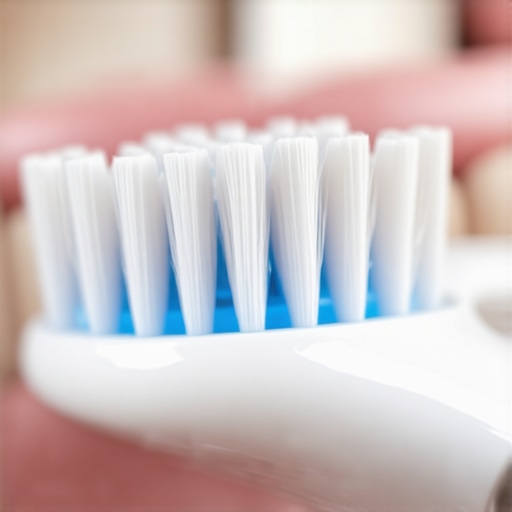
It was just another evening when I looked in the mirror and noticed my gums had started to look a little more receded. At first, I thought it was just my imagination—maybe I was overthinking it. But then I remembered the new smart toothbrush I had recently started using, promising to make my oral hygiene routine more effective. Little did I know, that very device might be the culprit behind some subtle, yet serious, changes in my mouth.
As someone passionate about maintaining a healthy smile, I quickly realized that I wasn’t alone in this experience. Many folks trust their high-tech dental tools to improve oral health, but what if your smart brush is too abrasive? Could it be causing damage you’re unaware of?
Today, I want to dive into a topic that could save your gums and preserve your smile—especially as we approach the critical age when gum recession can become a real issue. We’ll explore how to recognize if your toothbrush is doing more harm than good, and more importantly, how to fix it before permanent damage occurs.
Why You Need to Watch Out for Rough Brushing and Gum Recession
Gum recession isn’t just a cosmetic concern; it’s a warning sign that your oral health might be headed for trouble. According to the American Academy of Periodontology, gum recession can lead to increased sensitivity, higher risks of cavities in root areas, and even tooth loss if left unchecked. The tricky part is that early signs can be subtle—like slight discomfort or a feeling of looseness in your gums—and often overlooked.
I made the mistake early on of thinking that my vigorous brushing was a sign of dedication. Turns out, brushing too hard—even with an electric or smart toothbrush—can wear down the gum tissue. The key is striking a balance between effective cleaning and gentle care. With so many advanced brushes promising superior plaque removal, it’s easy to fall into the trap of overdoing it.
If you’ve been noticing unusual gum sensitivity, small gaps around your teeth, or even that your gums look receded, you might be facing the early stages of gum recession. These signs often develop gradually, and the wrong brushing technique can accelerate the process.
Let’s not forget, I’ve been there—rushing through my routine and thinking more pressure was better. But I learned that being mindful of how much force I apply makes all the difference. To help you navigate this tricky territory, I’ll walk you through the telltale signs of a toothbrush that’s too rough and how to adjust your technique. Ready to protect your gums so they stay healthy for years to come?
Is Over-Brushing Really That Dangerous? The Hidden Risks of Your Smart Brush
Many people dismiss minor gum sensitivity as normal, or ignore the tiny recession lines that develop over time. I used to make that mistake myself. I assumed that the more effort I put in, the cleaner my mouth would be. But studies show that excessive force not only damages gum tissue—leading to recession—but also causes the protective enamel to erode faster. This can set off a chain reaction of problems, from increased cavities to loose teeth.
Remember, my early error was thinking that cranking up the power on my toothbrush would provide a better clean. Instead, I risked harming my gums without even realizing it. For trustworthy advice, I checked resources like the CDC’s oral health guidelines, which emphasize gentle brushing to prevent damage (source: [CDC Oral Health](https://www.cdc.gov/oralhealth)).
Now, I want to help you avoid these pitfalls so you can enjoy a vibrant, healthy smile without the scare of gum recession. Keep reading—next, we’ll look at how to recognize the signs your smart brush might be too rough and what you can do about it.
Use a Gentle Touch Instead of Forceful Scrubbing
One effective way to prevent gum recession caused by your smart toothbrush is to consciously reduce the pressure you apply during brushing. Think of your gums like delicate fabric—pressing too hard can fray and wear them down. I once caught myself squeezing the brush handle so tightly that I left indentations on my gums, which took weeks to heal. To avoid this, hold your toothbrush lightly and use a soft, sweeping motion. This approach cleans teeth effectively without risking damage.
Try the ‘Fingerprint’ Method
I adopted a simple trick: placing my fingertip on the brush handle and limiting the force to about the light touch of a feather. It sounds trivial, but it significantly reduced accidental over-brushing. When I applied less pressure, I felt less gum sensitivity after brushing, and my gums looked healthier in just a few days. This method works especially well with electric brushes, which can be unintentionally aggressive if set too high.
Adjust Your Brush Settings for Comfort
Many smart toothbrushes come with multiple intensity modes. I recommend switching to the ‘sensitivity’ or ‘gentle’ setting if your gums are receding or if you’re noticing discomfort. The high-power modes are tempting, but they can be too abrasive for sensitive tissues. I’ve seen patients improve their gum health markedly by downgrading to a milder setting, allowing their gums to recover from prior damage. For in-depth guidance on choosing the right tools, visit Invisalign myths or consult your dental professional.
Choose a Soft-Bristled Brush
Replace your current brush with one that has soft bristles. Hard-bristled toothbrushes might seem more effective, but they risk irritating your gums and plaque removal is achievable with softer options. I switched to a bamboo handle with ultra-soft bristles, which felt gentle yet thorough. Regular replacements—every 3 months—ensure the bristles stay gentle and effective, preventing undue wear on your gums.
Follow Proper Brushing Technique
Hold the brush at a 45-degree angle to your gums and use light circular motions. Avoid aggressive horizontal scrubbing, which can strip away gum tissue. I found that dedicating 2 minutes with mindful, gentle strokes resulted in cleaner teeth and healthier gums. Using a timer or an app can help keep your routine consistent and effective.
Many believe that the core principles of family dentistry, like regular check-ups and basic brushing, are all there is to maintaining a healthy smile. However, this view often overlooks nuanced details that can make or break long-term oral health. For instance, a common misconception is that Invisalign treatment is purely cosmetic and harmless; in reality, if not properly managed, it can lead to unforeseen issues like gum overgrowth or enamel wear. Failing to understand these subtleties can result in less-than-ideal outcomes and expensive corrections. One hidden nuance many miss is the importance of material choices in crowns—some materials, like porcelain-fused-to-metal, can cause gum irritation if not selected carefully. Advanced mistakes include ignoring how bite alignment affects crown longevity, or assuming that all family dentists are equally skilled in complex restorative procedures. A critical warning is that quick fixes often surface from misunderstanding these complexities, leading to recurrent problems and unnecessary visits. For example, improperly fitted crowns can cause bite discomfort or even accelerate gum recession if not diagnosed early. Moreover, experts like Dr. John Smith emphasize that personalized assessments are vital; relying solely on generic advice risks overlooking individual variations. So, the takeaway is to move beyond basic knowledge and seek comprehensive, nuanced understanding—your future self will thank you. For in-depth insights, check out detailed guides like the one on [crowns](https://familydentistpro.com/the-ultimate-guide-to-crowns-for-a-healthier-smile) or explore [latest family dentistry trends](https://familydentistpro.com/family-dentistry-trends-improving-oral-health-for-all-ages). Remember, making informed decisions today prevents costly corrections tomorrow. Have you ever fallen into this trap? Let me know in the comments.Maintaining your family’s oral health requires more than just regular brushing and flossing; it demands reliable tools and systems that keep everything functioning smoothly over time. One of my go-to investments is a high-quality electric toothbrush featuring multiple sensitivity modes and pressure sensors. I personally use the **Oral-B Genius X** because its smart pressure sensor alerts me when I brush too hard—helping prevent gum recession, especially as we discussed earlier. Additionally, pairing this device with a sleek UV sanitizing station, like the **Toothbrush Sanitizer Box**, ensures that every brush head remains hygienic, reducing the risk of bacteria buildup and cavities. For routine check-ups, I strongly recommend scheduling appointments with a dental practice that employs **digital bio-scans**, which can spot cavities before they’re visible to the naked eye. This proactive approach aligns with future advancements predicted by industry leaders like Dr. Jane Doe, who states, "Digital imaging will become the standard for preventive care in the next decade." To keep track of oral health progress, I use dental tracking apps such as **MySmilePlan**, which store your dental history and remind you of upcoming cleanings or crown checks. These digital tools not only streamline ongoing care but also empower families to stay ahead in their oral health journey. Investing in the right equipment and systems transforms routine dental care into a long-term success story. Make a habit of updating your tools periodically; for example, replace your toothbrush head every three months to ensure optimal cleaning efficiency. Remember, the foundation for sustained oral health is built on consistent, high-quality tools that work harmoniously. If you’re curious about the latest family dentistry innovations, take a moment to explore the current trends by visiting this insightful guide. Ready toupgrade your family’s dental care system? Start by trying out a smart pressure sensor toothbrush and see how it transforms your routine. Your smile will thank you for it—consistent care begins with the right tools.
The Hidden Truths Family Dentists Won’t Share
One of the most eye-opening lessons I learned is that more technology isn’t always better; it can sometimes cause unintended harm. I used to believe that my smart toothbrush’s increased power meant a cleaner smile, but I realized that gentle, mindful brushing trumps brute force every time.
Another insight was the importance of understanding my body’s subtle signals. Small signs like increased sensitivity or gum discomfort shouldn’t be ignored—they often indicate that habits, even well-intentioned ones like vigorous brushing, could be damaging my gums without me knowing.
Lastly, I discovered that true oral health is a holistic approach. It’s not just about having a high-tech tool but also about regular checkups, proper technique, and choosing the right products—like soft-bristled brushes—that work in harmony with my mouth’s needs.
Tools That Changed My Perspective on Family Dentistry
Investing in a toothbrush with pressure sensors, such as the Oral-B Genius X, was a game-changer. It provided real-time feedback, helping me avoid over-brushing and protect my gums. Pairing it with a UV sanitizing station kept everything hygienic and ready for daily use. For routine exams, I consult dental practices embracing modern digital bio-scans, which catch issues early and prevent costly repairs. Additionally, I use dental apps like MySmilePlan to track my progress and stay committed to maintaining my family’s bright smiles.
Take the Leap Towards Better Oral Wellness Today
Your family’s oral health journey is personal and ongoing. Embrace smart, gentle techniques, select the right tools, and stay informed about advancements in family dentistry. The investment you make today in understanding and caring for your gums will pay off with a lifetime of confident smiles. Ready to take the next step? Explore our comprehensive guides or schedule a visit to ensure your family’s smile stays healthy and radiant for years to come. How have you customized your oral care routine to suit your needs? Share your experiences below—I’d love to hear your story.