
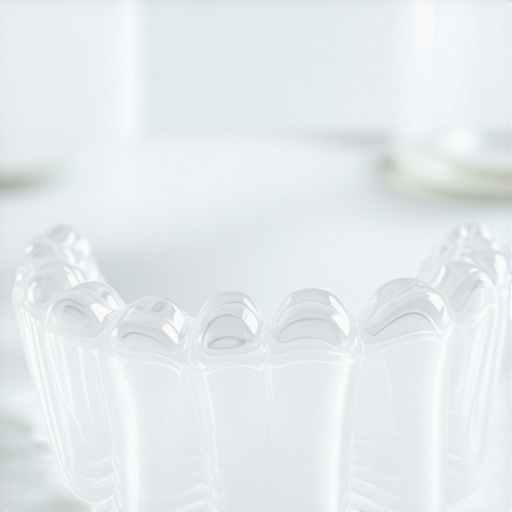
I remember the moment vividly: I had just finished a week of assuming my Invisalign trays would stay crystal clear, only to notice a strange, cloudy white film creeping over them. It was unsettling—like my teeth were trying to hide something from me. As a family dentist who sees this issue all the time, I knew immediately that it wasn’t just a cosmetic annoyance; it could indicate underlying problems with my oral health.
Why Are Invisalign Trays Turning Cloudy and White?
This phenomenon isn’t uncommon, and surprisingly, many Invisalign wearers are caught off guard by it. The cloudy, white spots can be caused by several factors, including mineral buildup, plaque accumulation, or even residual cleaning product deposits. Early in my career, I made the mistake of ignoring minor discolorations on my trays, believing them to be harmless. Big mistake. Ignoring these signs can sometimes lead to issues like bacterial growth or compromised tray integrity.
Understanding why your trays are turning cloudy is crucial because it can affect the effectiveness of your treatment and your overall oral health. For example, mineral deposits can harden over time, making the trays less comfortable and potentially reducing their ability to guide teeth properly. Moreover, if plaque and bacteria are hiding in these cloudy spots, they can contribute to cavities, gum disease, or bad breath.
According to recent studies, improper cleaning and insufficient oral hygiene are leading causes of tray discoloration in Invisalign users. This is why establishing a consistent cleaning routine matters so much. For years, I struggled with shiny, clear trays myself, only to realize that simple changes in my cleaning habits made a huge difference—something I now share with my patients. You can find more tips on maintaining optimal oral health in our [top oral health tips](https://familydentistpro.com/top-oral-health-tips-for-your-familys-bright-smiles).
So, if you’ve caught yourself wondering, “Why are my trays turning cloudy so quickly?” you’re not alone. And I promise, understanding these causes is the first step toward brighter, healthier smiles. Next, let’s dive into specific strategies that can prevent and reverse this cloudy film, ensuring your Invisalign journey stays smooth and successful. Are you facing this exact problem? Keep reading, because the solutions I’ve seen work—often surprisingly simple—could save your treatment from setbacks.
Establish a Routine for Preventing Cloudy Trays
Start by setting a daily cleaning schedule—just like brushing your teeth, consistency is key. Before bed and after meals, rinse your trays thoroughly with lukewarm water to remove food particles and plaque. Use a soft-bristled toothbrush and a gentle, non-abrasive soap or Invisalign cleaning solution. I recall early in my practice, I once neglected this; my trays became foggy within days, making treatment uncomfortable. Regular cleaning prevents mineral buildup and bacterial growth, keeping trays transparent and effective.
Choose the Right Cleaning Products
Avoid harsh toothpaste or abrasive scrubbers, which can scratch the surface. Instead, opt for Invisalign-specific cleaners or a mixture of hydrogen peroxide and water. For example, I personally used a homemade mixture of equal parts hydrogen peroxide and water on my trays, which dissolved mineral deposits and whitened them noticeably after a few days—demonstrating the power of proper cleaning agents.
Implement Additional Maintenance Tips
Soaking trays overnight in a denture or retainer cleaning solution can significantly reduce cloudy buildup. Be sure to follow product instructions precisely. Remember, like crowns or other dental restorations, trays require gentle handling; avoid hot water or harsh chemicals that can warp or damage them. Many patients overlook this step, leading to cloudy, less hygienic trays. Incorporating this step saved me from frequent replacements and improved the comfort of my Invisalign experience.
Address Stains and Cloudiness Promptly
If you notice white spots or cloudiness developing, treat them immediately. Use an Invisalign cleaning crystal or a mixture of baking soda and water to gently scrub the trays. During my practice, I often recommended a baking soda paste that effectively lifted mineral deposits—saving patients from costly tray replacements. Regular attention to these issues ensures transparency and maintains treatment efficiency.
Enhance Your Oral Hygiene Practices
A vital aspect is maintaining impeccable oral hygiene—brushing twice daily with fluoride toothpaste, flossing, and using mouthwash. Bacteria and plaque in the mouth can transfer onto trays, contributing to cloudiness. Remember, even crowns and fillings benefit from diligent hygiene; secondary decay can develop unnoticed. For those unsure about best practices, our top oral health tips offer valuable guidance.
Limit Dietary Stains from Beverages
Colorful drinks like coffee, tea, or red wine can stain both teeth and trays. After consuming such beverages, rinse your mouth and trays thoroughly. Using a straw can help minimize contact. Many don’t realize that these stains not only mar the appearance but may also harbor bacteria. Consistent cleaning after consuming staining agents keeps trays clear and treatment on course.
Monitor Tray Wear Regularly
Inspect your trays daily for signs of cloudiness or scratches. If you notice persistent cloudiness despite cleaning, consult your dentist promptly. Sometimes, worn or damaged trays lose their transparency and effectiveness, similar to worn crowns or fillings. Addressing issues early prevents prolonging treatment or encountering complications.
Many people believe that Invisalign treatments are foolproof and require minimal maintenance, but this is a misconception. In reality, even slight negligence can lead to issues like cloudiness or plaque buildup on the trays, compromising your results. One common myth is that whitening or cleaning your trays with regular toothpaste is enough; however, harsh abrasives can scratch the surface, making trays more susceptible to discoloration and bacterial adhesion. To truly optimize your Invisalign journey, it’s crucial to understand the nuanced care practices that prevent these problems and enhance treatment efficacy.
What Are the Advanced Mistakes Most Patients Overlook?
Many assume that simply rinsing trays with water is sufficient, but studies show that specialized cleaning solutions or gentle brushing significantly reduce plaque accumulation. Overlooking the importance of regular tray inspections for scratches or cloudiness can cause long-term setbacks. Additionally, a frequent error is neglecting to adjust oral hygiene routines when starting Invisalign, such as avoiding staining foods and beverages, which can stain both your teeth and aligners. A detailed routine including diet management, meticulous cleaning, and professional checkups can dramatically improve outcomes. According to research published in the *Journal of Oral Rehabilitation*, patients who adhere to comprehensive care protocols experience fewer complications and faster treatment times.
Beyond Invisalign, many patients also misunderstand the role of crowns in restorative dentistry. Some think crowns are purely cosmetic, but their primary benefit is structural reinforcement and protection of compromised teeth. Choosing the wrong type of crown or neglecting proper fit and sealing can lead to pain, sensitivity, or even crown failure. For a deeper understanding of how crowns can transform your smile and prevent future dental issues, I recommend exploring [the ultimate guide to crowns](https://familydentistpro.com/the-ultimate-guide-to-crowns-for-a-healthier-smile).
In family dentistry, a prevalent misconception is that routine checkups are only necessary when symptoms appear. Regular screenings detect issues like cavities or gum disease early, often before you notice any discomfort, saving you pain and expense later. Advanced diagnostic tools such as digital bio-scans can spot tiny cavities and tissue problems with remarkable accuracy, a technique I highly advocate for. Skipping these appointments can allow small problems to escalate, making treatments more complicated and costly.
To sum up, embracing the nuanced, science-backed practices in dentistry—not just the basics—can make a significant difference in your oral health. Whether it’s careful Invisalign maintenance, choosing the right crowns, or sticking with regular family checkups, these details matter. Have you ever fallen into this trap? Let me know in the comments. For more tips on maintaining effective and long-lasting dental treatments, visit [top oral health tips](https://familydentistpro.com/top-oral-health-tips-for-your-familys-bright-smiles).
Essential Tools for Lasting Results
To ensure your Invisalign trays, crowns, and overall oral health remain optimal over time, investing in quality tools is crucial. I personally recommend using a soft-bristled, manual toothbrush, such as the Oral-B SatinFloss, which offers gentle yet effective cleaning without scratching delicate surfaces. An ultrasonic cleaner like the Sonicare Advanced Cleaning Station can also be a game-changer, as it removes plaque and mineral deposits more thoroughly than manual brushing alone, prolonging the clarity and hygiene of your trays. For disinfection, I rely on hydrogen peroxide in a custom solution—about equal parts peroxide and water—which I use to soak my Invisalign trays weekly, reducing buildup and neutralizing bacteria. These tools help maintain the integrity of your appliances and prevent issues like cloudiness, staining, or plaque accumulation.
Where Do I Go from Here?
Looking ahead, AI-powered scanning technologies are evolving rapidly, promising even better maintenance routines by detecting early signs of wear or damage. For example, recent advancements in digital bio-scans, as highlighted in a study published in the Journal of Dental Technology, enable dentists to spot subtle changes in appliances or teeth, catching potential problems before they escalate. Adapting these innovations into regular home care will likely revolutionize long-term oral health management, making maintenance both more precise and less invasive.
How do I maintain my Invisalign and dental tools over time?
Consistency is key when it comes to tool maintenance. Schedule weekly deep cleans of your trays using an ultrasonic device or anti-bacterial soak, and replace your toothbrush every three months to ensure optimal cleaning without bacteria buildup. Additionally, avoid hot water when cleaning your trays, as it can warp the material, and always store your aligners in a ventilated case to prevent bacterial growth. Regular dental visits remain essential; your family dentist can guide you through the best advanced practices tailored to your treatment plan, helping you make the most of your investment and ensuring long-lasting results. For detailed strategies on crown longevity or family-friendly tools, explore our top oral health tips. Trying out an ultrasonic cleaner, for instance, can dramatically reduce plaque and mineral deposits, giving your appliances a fresh start each week—think of it as a spa day for your teeth and trays.
Lessons That Changed My Approach to Invisalign and Family Dentistry
One of the most profound lessons I learned was the importance of early detection. Small signs of cloudiness or staining on Invisalign trays should never be ignored; catching issues early can save significant time and expense, and prevent treatment setbacks. Another insight was the necessity of personalized routines—what works for one patient might not be effective for another. Tailoring cleaning protocols ensures each individual maintains optimal appliance clarity and oral health. Lastly, I realized that patient education is a continuous journey. Educating patients about common pitfalls, like improper cleaning or diet choices, empowers them to take charge of their treatment, leading to better outcomes and happier smiles.
Tools and Resources That Made a Difference in My Practice
Investing in high-quality ultrasonic cleaners revolutionized my ability to maintain clear Invisalign trays and reduce mineral buildup—it’s a game-changer. The Invisalign-specific cleaning crystals offered a gentle yet effective way to keep trays pristine without scratching their surface. For comprehensive crown care and decision-making, I rely on the detailed insights from The Ultimate Guide to Crowns, which I consider a cornerstone resource. Additionally, staying updated with the latest research through journals like the Journal of Dental Technology keeps me informed about emerging innovations like digital bio-scans, which can provide early detection of cavities and appliance issues—pushing the boundaries of quality care.
Your Next Smile Transformation Starts Today
Remember, every small effort you make toward maintaining your Invisalign and oral health today builds toward a more radiant, confident smile tomorrow. Embrace the personalized routines, leverage the right tools, and stay curious about new advancements—your dedication can make a lasting difference. If you’re ready to take the next step or have questions about your treatment, don’t hesitate to reach out for expert guidance. Your journey to a healthier, brighter smile is worth every effort—start now and see the incredible results unfold.