
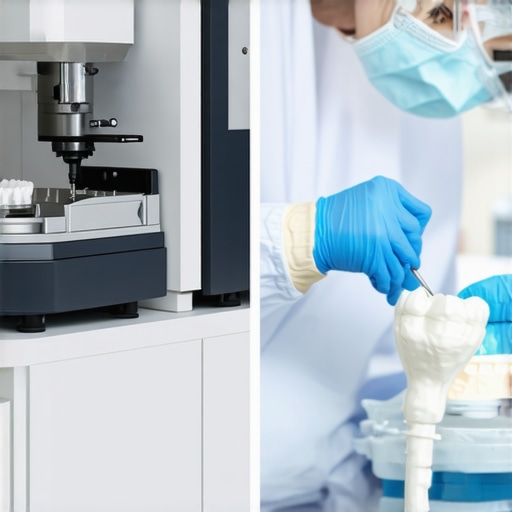
I’ll never forget the morning I cracked a molar during breakfast, feeling that sudden, sharp pain—like a tiny explosion in my mouth. It was a wake-up call about the fragility of our dental health and the importance of choosing the right crown material. That day, I dove into research and realized that making the best decision between milled and 3D-printed crowns isn’t just about looks—it’s about function, longevity, and your overall smile health.
Why Your Choice Matters More Than Ever in 2026
With advancements accelerating, selecting the right crown type can significantly impact your oral health. The decision isn’t just technical; it affects comfort, durability, and even your confidence. Imagine investing in a crown that might last longer or feel more natural—sounds appealing, right? But here’s the catch: not all crowns are created equal, and understanding the nuances can be overwhelming.
Early in my journey, I made the mistake of assuming that all crowns are similar, leading to a short-lived solution and unnecessary discomfort. That taught me an invaluable lesson: research and expert guidance are essential for making informed choices. As technology progresses, so do the options. Now, I want to share what I’ve learned so you can avoid my pitfalls and confidently choose the right crown for your unique bite.
Is the Hype Around 3D-Printing Actually Justified?
Some folks ask if 3D-printed crowns live up to the buzz. Believe me, I was skeptical too—until I saw firsthand how rapidly they can be customized and crafted for a perfect fit. But there are concerns—like whether they hold up over time or fit seamlessly. I’ll help you untangle the facts from the marketing hype so you can decide if they suit your needs.
One mistake I made at the start was underestimating the importance of material quality. Even the most advanced printing technology can’t compensate for a subpar material. To truly understand which option works best, we’ll explore the benefits and limitations of each, backed by current research and real-world experiences. Ready to discover which crown fits your bite best? Let’s dive into the details and find your perfect match.
Assess Your Dental Needs and Gather Expert Advice
Start by consulting with your family dentist to evaluate your specific dental situation. Describe any discomfort, decay, or previous restorations. Ask for professional guidance on suitable crown materials—think of it as consulting a tailor before picking a suit. I once scheduled a consultation, armed with questions, which helped me understand that a foundational assessment is critical before diving into options.
Prepare for Impression Taking and Digital Scans
Opt for Precise Measurement Methods
Next, your dentist will capture detailed impressions of your tooth using either traditional molds or digital scans. Think of this process as creating a mold of your foot before buying custom shoes. I remember last year, opting for a digital scan saved time and resulted in a more accurate fit, significantly reducing adjustments during the final placement.
Address Any Allergies or Material Preferences
Inform your dentist about allergies or sensitivities, especially to metals or certain ceramics. For example, if you’re concerned about metal taste, discuss alternative options like zirconia or composite crowns. Making these preferences known early prevents surprises and ensures your crown integrates seamlessly with your oral environment.
Choose the Right Material Based on Function and Aesthetics
Understanding the strengths and limitations of each crown type is key. For instance, porcelain crowns mimic natural teeth and are ideal for front restorations, much like choosing a glass panel for clarity. Conversely, metal crowns excel in durability, suitable for molars where strength is paramount. I once chose a porcelain crown for my front tooth, which matched perfectly, enhancing my smile’s confidence. For more details, explore this comprehensive guide.
Confirm the Fit and Adjustments
Once the crown is fabricated, your dentist will fit it onto your prepared tooth. Think of this step as trying on a new pair of shoes—it’s about comfort and precision. Expect some minor adjustments for a perfect bite and contact. I recall the first fitting I had, where a few tweaks made all the difference in comfort and function, preventing future discomfort or wear. This step is crucial to prevent issues like food traps or irritation.
Seal and Cement the Crown Properly
Finally, your dentist will secure the crown with durable cement, ensuring it stays in place through biting and chewing. This is akin to gluing a puzzle piece with the correct adhesive—if done properly, it lasts for years. Regular follow-ups and good oral hygiene, including avoiding sticky foods initially, will prolong your crown’s lifespan. I learned the importance of good maintenance when I neglected brushing around my crown, leading to early signs of decay—a reminder that care doesn’t end with installation.
Many people believe they understand dental restorations and orthodontics, but in my experience, there are subtle misconceptions that can lead to costly mistakes. One prevalent myth is that all crowns are alike; however, the materials and techniques used significantly influence their longevity and function. For instance, many assume that metal crowns are outdated, but they still offer unmatched durability for molars. The truth is, advances in zirconia and bio-ceramic crowns make modern options both strong and aesthetically pleasing, challenging this outdated notion.
Another misconception revolves around Invisalign. Many think it’s only suitable for mild cases, but recent research shows that with proper case selection and advancements in aligner technology, complex malocclusions can also benefit. I once dismissed the idea of Invisalign for my own bite correction, but after exploring its capabilities, I realized it’s a versatile option when guided by an experienced provider. You can find detailed insights in this Invisalign myths article.
Common mistakes also stem from underestimating the importance of family dentistry nuances. It’s not just about cleanings; comprehensive family dental care involves understanding the unique needs at different ages, including preventive strategies for children and elder care. Overlooking these aspects can lead to preventable issues. For instance, neglecting early signs of gum recession or misinterpreting early caries signs can cause significant problems later. An advanced error I’ve encountered is assuming that minimal intervention always means better; sometimes, early proactive care prevents more invasive procedures down the line, as highlighted in family dentistry trends.
Spanning beyond individual treatments, there’s a hidden nuance in understanding how oral health correlates with overall well-being. Many overlook that chronic gum disease is linked to heart health, diabetes, and even certain cancers. This isn’t just alarmist; studies confirm these associations, urging us to see oral health as integral to general health. Recognizing this interconnectedness underscores the importance of comprehensive, personalized care over generic routines.
In essence, the real challenge lies in dissecting these misconceptions and embracing nuanced, updated knowledge. For example, choosing the right dental material or orthodontic solution isn’t just about aesthetic preference but about understanding material science and patient-specific factors. If you want to dive deeper into how technology is reshaping family dentistry and the benefits of advanced diagnostics, check out this detailed overview.
Have you ever fallen into this trap of underestimating the complexities behind dental decisions? Let me know in the comments! Understanding these hidden nuances can make a significant difference for your oral health and your wallet, so stay informed and proactive.
Maintaining optimal oral health over the years requires more than just visiting your dentist regularly; it hinges on the tools and methods you choose to incorporate into your daily routine. As someone deeply invested in family dentistry and restorative procedures like crowns and Invisalign, I’ve found that certain equipment and software significantly enhance long-term results. Leveraging the right tools not only preserves your investment but also boosts your confidence in your smile.
How do I maintain my dental restorations and orthodontic appliances over time?
One indispensable device I rely on is a high-quality electric toothbrush equipped with advanced sensors, such as the Oral-B iO. This toothbrush offers real-time feedback on brushing technique, pressure, and coverage, ensuring I clean effectively without damaging delicate restorations or gum tissue. Its app provides personalized coaching, helping me stay consistent—a crucial factor in prolonging crown life or preventing decay around Invisalign attachments.
Alongside a premium toothbrush, I recommend using an interdental cleaner like TePe Interdental Brushes. These small, round brushes reach tight spaces between teeth and around crowns, preventing food trap buildup that can lead to decay or gum recession. I incorporate them into my nightly routine, which has vastly improved my oral health and minimized restorative issues.
For digital maintenance and monitoring, I use dental health apps like Bluelight that sync with my toothbrush and provide detailed reports on my oral hygiene patterns. These insights motivate me to adapt my habits proactively, catching potential problems—like early signs of enamel wear or gum issues—before they escalate. This tech-driven approach aligns with the future of personalized dentistry, making care more precise and accessible.
Investing in professional tools yields long-lasting benefits
Beyond personal tools, I advocate for regular visits to a family dentist who employs advanced diagnostic equipment like digital bio-scans. These non-invasive scans detect early cavities and enamel weaknesses, allowing for preventive measures that save money and preserve tooth integrity. Combining these professional tools with your daily routine creates a comprehensive shield against future dental issues.
Looking ahead, I believe the trend will shift towards smarter, AI-integrated devices that not only assess but also recommend personalized care plans in real-time. Innovations like AI-powered intraoral cameras are already emerging, enabling remote diagnostics and tailored advice—streamlining maintenance and reducing long-term costs.
To make the most of your maintenance routine, I encourage trying the latest interdental brush designs and syncing your devices with cutting-edge dental apps. Starting with a simple upgrade like a smart toothbrush can dramatically improve your oral health trajectory, especially in managing restorations like crowns and aligners. Remember, consistent and effective maintenance today ensures your smile stays healthy and beautiful long into the future.
The Hardest Lesson I Learned About Crowns, Invisalign, and Family Dentistry
One insight that transformed my approach was realizing that the choice of crown material isn’t just aesthetic—it’s about anticipating future oral health challenges. I once opted for a porcelain crown without considering its long-term resilience, and it led to unexpected repairs. Now, I see that understanding material science upfront can save time and money, preventing needless discomfort down the line.
Misconceptions That Delayed My Smile Confidence
I believed that all modern orthodontic solutions, like Invisalign, were only suitable for mild cases. This misconception held me back from exploring a solution that could have suited my more complex needs. If I had known earlier that technology advances allow for broader case applications, I might have avoided unnecessary wear and tear. This taught me that keeping an open mind about new innovations is essential.
Overcoming the Fear of Complex Treatments
Initially, I was apprehensive about digital scans and advanced diagnostics, thinking they might be invasive or uncomfortable. But I discovered that these tools provide a more precise assessment, often reducing chair time and improving accuracy. Embracing these innovations shifted my view, showing me that investing in the latest tech enhances outcomes and patient satisfaction.
My Toolkit for Lasting Family Smiles
From a personal standpoint, I trust high-quality electric toothbrushes like the Oral-B iO for daily maintenance because they offer real-time feedback and gentle cleaning, protecting restorations and gums alike. Additionally, interdental brushes such as TePe help reach tight spaces, preventing food traps that can compromise crowns or cause decay. Using apps that sync with my dental devices keeps me motivated and aware of my habits, turning routine care into a proactive health practice.
The Power of Preventive Mindset in Family Dentistry
My biggest takeaway is that regular, personalized checkups—especially with advanced tools like digital bio-scans—can catch tiny issues before they escalate. This proactive approach, reinforced by trustworthy resources, acts as a shield against costly procedures and preserves the integrity of crowns and orthodontic work. Remember, prevention is always more effective than repair.
Where I Turned for Trusted Guidance
Some resources have guided me through complex decisions: this comprehensive guide helped me understand material options; this article clarified Invisalign capabilities; and trends in family dentistry keep me informed about emerging technologies. These trusted sources empower me to stay ahead in oral health management.
The Road Ahead Is Bright and Personal
If you’re thinking about crowns, Invisalign, or family dental care, remember that informed choices and embracing innovation can make all the difference. Your smile is a reflection of your overall well-being—taking proactive steps today ensures many confident, healthy years ahead. Don’t wait to explore the latest options and tools tailored to your needs.
What has been your biggest surprise when navigating dental treatments? Share your experience below—your story might inspire someone on their journey to better oral health.
,