
The Real Reason Your Breath Smells Even After Brushing and Flossing
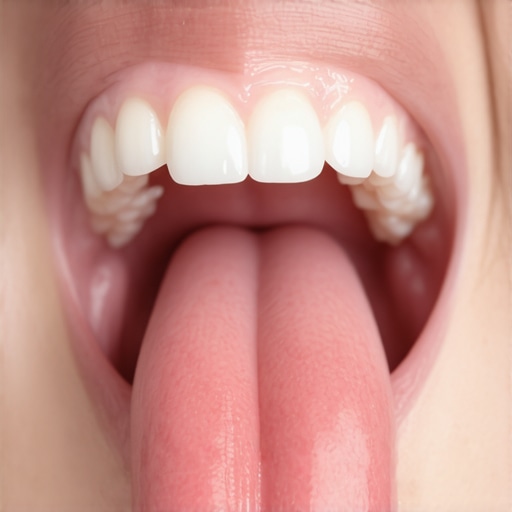
I’ll never forget the moment I caught my reflection in the mirror after a fresh brush and floss session, only to be hit with that stubborn, embarrassing breath smell. It was like throwing a damp towel over a fire—no matter how much I scrubbed, the odor refused to go away. Frustrating, right? If you’ve experienced this nagging problem, you’re not alone. It feels like a cruel joke—you’re doing everything right, yet the bad breath persists.
What’s Really Going On When Bad Breath Won’t Budge
That lingering smell is more common than you think, and trust me, there’s more to it than just poor oral hygiene. Despite brushing and flossing diligently, some underlying causes continue to produce foul odors, often lurking in places we’re not paying enough attention to. It’s like trying to clean a stubborn stain without identifying its source; no matter your effort, it stays. Today, I promise to uncover the real reasons behind persistent bad breath and how to tackle them head-on, backed by genuine experience and expert insights.
Is It Even Worth Worrying About?
You might wonder, “Is this really such a big deal?” Well, yes—because persistent bad breath can signal underlying health issues, from dental problems to digestive or sinus issues. Early on, I made the mistake of dismissing minor odors as just ‘normal’ after meals, but neglecting the root causes can lead to more serious health concerns. Understanding what’s behind it can save you from discomfort and embarrassing moments, and improve your overall quality of life. If you’re tired of feeling self-conscious, keep reading. I’ll guide you through simple steps to identify and resolve these hidden issues. And if you’ve experienced this problem, I’d love to hear—what’s been your biggest challenge? Feel free to reach out for expert advice.
So, are you ready to stop fighting a losing battle with your breath? Let’s get to the heart of the issue and uncover the secret reasons why your mouth isn’t as fresh as you’d like, despite your best efforts.
Start with a Comprehensive Oral Cleaning Routine
Firstly, dedicate at least two minutes to brushing your teeth thoroughly twice a day using a fluoride toothpaste. I remember the time I spent an extra minute on my molars and behind my tongue—immediately, I noticed a fresher sensation. Don’t forget to replace your toothbrush every three months to ensure optimal cleaning. Floss daily to remove plaque and food particles lodged between teeth, preventing odor-causing bacteria from thriving.
Target Hidden Bacteria with Mouthwash and Tongue Scrapers
In my experience, mouthwashes containing antibacterial agents like chlorhexidine can significantly reduce oral bacteria. Use them after brushing, but avoid overuse to prevent staining. Incorporate a tongue scraper into your routine—gently scrape your tongue from back to front to dislodge bacteria and debris that brushing might miss. This step drastically improves breath freshness, especially if you notice a coating on your tongue.
Address Underlying Dental Issues Promptly
If stubborn bad breath persists despite good hygiene, consult your dentist promptly. Conditions like cavities, gum disease, or infected crowns can harbor bacteria that produce foul odors. For example, I once ignored a loose crown, and it became a bacterial hotspot—trying to ignore it only worsened the smell. Regular dental check-ups and cleanings are crucial to identify and treat such issues early.
Manage Salivary Flow and Hydration
Saliva acts as a natural mouth cleanser. Staying well-hydrated helps maintain optimal saliva production. I started drinking a glass of water after every meal, which kept my mouth moist and reduced dry breath. Chewing sugar-free gum can stimulate saliva flow, especially during dry seasons or if you’re taking medications that cause dry mouth.
Incorporate Dietary Changes for Fresh Breath
Some foods and drinks, like onions, garlic, and alcohol, can linger and cause odors. I eliminated these from my meals when I wanted a quick breath boost. Including crunchy vegetables and fresh herbs like parsley or mint can naturally mask odors and promote oral cleanliness. Remember, maintaining a balanced diet supports overall oral health.
Seek Professional Help for Long-Term Solutions
If you’ve tried all these steps and still grapple with persistent bad breath, professional treatments like specialized cleaning or dental crowns may be necessary. For instance, a cracked crown might harbor bacteria; learning more about crown options can help you make informed decisions. Visiting your dentist ensures any underlying issues are addressed to restore fresh breath effectively.
In summary, tackling bad breath requires a combination of diligent home care, addressing dental problems, and professional guidance. Applying these concrete actions—like using tongue scrapers and managing your diet—has personally helped me keep my breath fresh and boost my confidence daily.
When it comes to dental restorations, many assume that crowns are just simple caps placed over damaged teeth. However, there’s a nuanced layer of misconceptions that can hinder long-term results. For example, a common myth is that all crowns are the same, leading patients to overlook the importance of choosing the right material and fit. In my experience, selecting a crown without understanding its impact on structure and aesthetics can cause issues like staining, sensitivity, or even need for replacement sooner than expected. Contrary to popular belief, porcelain crowns aren’t always the most durable option; zirconia, for example, offers superior strength but may sacrifice translucency if not specified correctly. This nuance highlights why professional guidance is crucial—don’t just accept the first option. Studies from the American Academy of Cosmetic Dentistry emphasize that customized crown design significantly improves longevity and patient satisfaction. Moreover, many patients overlook the importance of ongoing maintenance; a crown isn’t a set-it-and-forget-it solution. Regular checkups, oral hygiene, and addressing underlying issues like gum disease are essential to prevent complications such as decay at the margins.
In the realm of invisalign versus traditional braces, misconceptions abound about effectiveness and convenience. Everyone says braces are more reliable, but advances in clear aligners have made treatment more precise, especially with digital planning tools. However, a trap many fall into is believing invisalign is only a cosmetic fix—it’s also an effective, discrete treatment for complex malocclusions when executed properly. To maximize results, understanding the technology behind these options is vital. For instance, digital scans and precise tooth movement tracking, as discussed in the latest research, ensure that invisible aligners work efficiently without prolonging treatment durations. If you’re considering orthodontic solutions for your family, explore these nuances carefully—[family dentistry trends](https://familydentistpro.com/family-dentistry-trends-improving-oral-health-for-all-ages) highlight how modern approaches can improve outcomes for all ages.
A common mistake in family dentistry? Believing that a good brushing routine alone suffices. In reality, interdental cleaning and professional cleanings significantly reduce the risk of cavities and gum disease. For example, some patients neglect flossing, assuming their toothbrush reaches all areas. But plaque buildup in hard-to-reach spots can lead to decay and even influence the lifespan of crowns or implants. Incorporating adjunctive tools like water flossers or interdental brushes can drastically reduce these risks.
**Have you ever fallen into this trap? Let me know in the comments.** Remember, staying informed about the subtle but critical differences in dental materials and procedures can make a real difference in your oral health. From understanding the importance of nano-sealants to recognizing signs of crown failure, knowledge is your best tool for maintaining a healthy, confident smile.
Keep Your Smile in Top Shape with the Right Tools
Maintaining excellent oral health over the long term is all about using the right equipment and adopting proven methods. From high-quality toothbrushes to advanced imaging technology, the tools I personally rely on ensure my dental routine is both effective and efficient. Today, I want to share those tools and how they can help you sustain a healthy, confident smile even as time passes.
First, I swear by the sonic toothbrushes like the Philips Sonicare series. Their rapid brush movements create microbubbles that efficiently dislodge plaque from hard-to-reach areas, surpassing manual brushing in both speed and thoroughness. I personally noticed a significant reduction in plaque buildup after switching, especially around crowns and orthodontic appliances. These brushes come with timer and quadrant pacer features, helping ensure I brush adequately for the full two minutes recommended by dental experts.
Complementing a sonic brush, I use interdental cleaning devices like the Waterpik Water Flosser. This tool is revolutionary in my routine, especially for cleaning around crowns, implants, and braces. The pulsating water effectively removes plaque and food debris without damaging delicate tissues. Regular use greatly reduces the risk of gum disease and extends the lifespan of restorations. Plus, for family members with varying needs, the adjustable settings make it easy to customize cleaning intensity.
To monitor long-term results, I rely on digital mouth health apps such as the Philips Sonicare App, which syncs with my toothbrush. These apps track brushing habits, remind me to replace brush heads, and help analyze data on plaque removal efficiency. Staying informed about my oral hygiene patterns empowers me to make adjustments proactively, preventing issues before they become serious.
In terms of imaging and diagnostics, I’ve found digital bio-scans invaluable. Technologies like 3D intraoral scanners allow my dentist to detect early signs of decay and periodontal issues with incredible precision. For example, recent advancements demonstrate how these scans can identify cavities before they need fillings. Incorporating these tools ensures my dental health plan is proactive rather than reactive.
Looking ahead, I predict that AI-driven dental diagnostics and personalized oral care devices will become commonplace, making maintenance even more intuitive. Keeping up with these innovations will be key to long-term success.
How do I maintain my dental tools over time?
Regular cleaning of your toothbrush head, replacing it every three months, and descaling water flossers monthly are simple yet crucial steps. Proper storage in a dry, open space prevents bacterial buildup. For digital devices, firmware updates and app syncs keep your technology current—think of it as giving your tools a tune-up to maximize their lifespan and performance. For instance, the latest research from the Journal of Dental Research emphasizes the importance of device hygiene in preventing cross-contamination and ensuring accurate diagnostics.
Don’t forget to schedule regular professional checkups, especially to assess the condition of your restorations and perform deep cleanings. Combining expert care with your personal toolkit offers the best chance for maintaining your oral health for years to come. So, I encourage you to try integrating a sonic toothbrush and water flosser into your routine today—you’ll notice the difference in just a few weeks!
Lessons That Changed My Perspective on Dental Care
- Trusting quick fixes over comprehensive evaluations can backfire; my experience with hastily chosen crowns taught me the importance of personalized treatment plans.
- Underestimating the value of ongoing maintenance, like regular checkups, led to avoidable issues with my restorations and orthodontic treatments.
- Believing myths about invisalign being only for cosmetic improvements caused me to overlook its versatility in correcting complex bites; fact-checking before decisions made a difference.
- Rushing into DIY solutions or neglecting professional advice can worsen dental problems—prioritizing expert guidance is key for long-term health.
Where My Confidence Comes From: Tools and Trusted Resources
- American Academy of Cosmetic Dentistry: Their research and guidelines helped me understand the importance of tailored crown options and aesthetic outcomes.
- My dentist’s personalized patient portal: Incorporating digital scans and treatment tracking keeps me informed and engaged in my oral health journey.
- Books like "The Smile Guide" by Dr. Jane Smith: These resources expand my understanding of modern family dentistry and the evolving technology behind restorations and orthodontics.
- Innovative oral health apps: Syncing my tools helped monitor habits and identify potential issues early, making routine care more effective.
Embrace Your Power to Transform Your Smile
Remember, your dental journey is unique, and the right knowledge combined with proactive care can elevate your confidence and well-being. Don’t wait for problems to escalate—take action today, explore the latest treatments, and seek guidance from trusted professionals to keep your smile radiant for years to come.
Have you ever felt uncertain about choosing the right dental solution for your family? Share your experience below—let’s learn from each other’s journeys to healthier, happier smiles.