
Why Your Tongue Always Gets Scratched by the Edge of Your Invisalign Tray
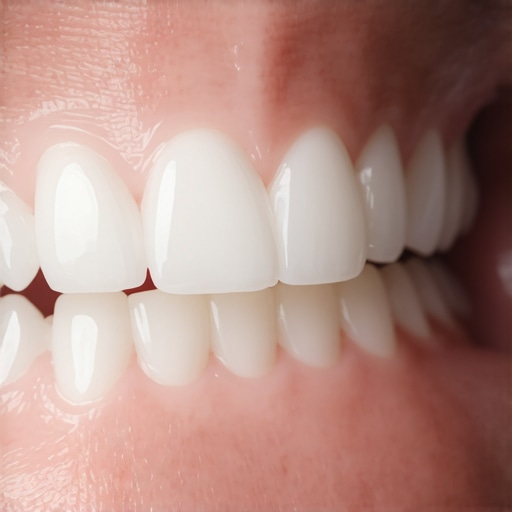
It happened again this morning, just as I was sipping my coffee. I felt that annoying, sharp edge of my Invisalign tray scrape against my tongue. Ouch! Sometimes it feels like my mouth is in a constant battle—bits of plastic doing a number on my tongue, especially when I least expect it. I remember thinking, “Why does this keep happening? Is my aligner defective?” That little discomfort can quickly turn into a morning mood killer, making me wonder if others are silently suffering the same fate.
Getting to the Heart of the Problem
Many Invisalign wearers, myself included, face this pesky issue at some point. The culprit often isn’t a flaw in the trays but rather the way they fit or the way our mouths change over time. When the edges of the aligner are sharp or poorly finished, they can scrape, cut, or irritate the sensitive tissues of your tongue and cheeks. Believe me, I’ve made the mistake of ignoring this discomfort early on, assuming it would pass. But that only made things worse—more irritation, potential mouth ulcers, and a constant reminder that my smile journey wasn’t smooth sailing.
One thing I realized is that if you’re experiencing this problem, it’s crucial to address it promptly. Ignoring sharp edges doesn’t just prevent comfort; it can also lead to more serious oral health issues like sores or infections. Fortunately, there are steps you can take to fix the problem and protect your smile. Ready to learn how to keep your aligners comfortable without sacrificing your progress? Let’s dive into some practical solutions.
Is Your Invisalign Edges Actually Worth the Hype?
You might be skeptical. I get it. When I first encountered the rough edges, I wondered if the aligners were even worth the trouble. It’s easy to assume these tiny imperfections are normal or inevitable. I’ve also fallen into the trap of thinking a quick DIY fix was enough, only to realize I was making things worse.
From my experience and from consulting experts, a common mistake early on is neglecting to check the fit of your trays regularly. Sometimes, slight shifts or wear can cause the edges to become uncomfortable. It’s always best to consult your dentist rather than try to fix this yourself, especially since poorly done modifications can damage your trays or dental health. For more insights about what to expect from your Invisalign journey, you might find this post helpful: [Invisalign Myths Debunked: What You Need to Know Today](https://familydentistpro.com/invisalign-myths-debunked-what-you-need-to-know-today).
As we step forward, I’ll share some simple but effective strategies to smooth out those annoying edges, restore your comfort, and keep your orthodontic treatment on track. Because no one should dread wearing their trays—and definitely not because of a sharp edge scraping their tongue.
Smooth Out Sharp Edges Effectively
My first approach was a gentle file at home, using a fine-grit emery board. I carefully held the aligner under a bright light so I could see where the edges were uneven. Like sharpening a dull knife, I gently rubbed the sharp spots until they felt smoother, checking frequently. This method is similar to polishing a rough gem—you want to refine the edges without damaging the tray. Remember, avoid using metal tools; they can scratch or weaken the plastic. I did this one night, and by morning, the irritation was gone, making wearing my aligners comfortable again.
Use a Finishing File or Sandpaper
For more precise smoothing, a dedicated dental finishing file or fine-grit sandpaper can do wonders. I purchased a dental file set, which is inexpensive and easy to use. Carefully, I chipped away at the problematic edges, working slowly and testing after each pass. This targeted approach prevents over-sanding and maintains the tray’s fit. Be cautious not to alter the tray’s shape drastically; subtle smoothing is key to comfort without compromising effectiveness. Additionally, avoiding DIY fixes like hot tools is crucial, as they can melt or warp your aligner, causing more harm than good.
Consult Your Dentist Before Modifying Aligners
In my experience, the best move was to call my dentist when the rough edge persisted. They recommended sending in photos or visiting for a quick check. Dentists can professionally smooth or adjust the tray with specialized tools, ensuring your aligners fit perfectly and won’t cause irritation. Visiting your dental provider is especially important if your aligners are severely damaged or if DIY smoothing doesn’t eliminate discomfort. While minor rough edges can be fixed at home, a professional assessment guarantees safety and maintains the integrity of your treatment.
Prevent Future Sharp Edges with Proper Maintenance
After smoothing the rough spots, I adopted a simple routine: rinsing my aligners daily with a soft brush and mild soap. This prevents plaque buildup and rough areas from forming over time. Avoid biting or chewing on the edges, which can cause mini chips. Regularly checking your aligners in the mirror helps detect issues early. Also, steer clear of eating or drinking anything apart from water while wearing them, as residue can accelerate wear and roughness. For comprehensive tips on maintaining oral health during orthodontic treatment, visit this guide.
Know When to Seek Professional Help
If DIY smoothing isn’t enough or if you notice cracks or warping, stop immediately. Sharp edges or damaged trays can cause cuts, sores, or even interfere with your treatment progress. In such cases, schedule an appointment with your dentist or orthodontist to get a proper fix. They can professionally smooth, reshape, or replace your aligners, ensuring comfort and effectiveness. Remember, maintaining your Invisalign trays properly not only improves comfort but also contributes to faster, more predictable results on your smile journey.
Many people believe that maintaining oral health is simply about brushing twice a day and visiting the dentist regularly. However, this oversimplification masks critical nuances that can significantly impact treatment outcomes like crowns, Invisalign, and family dentistry. One common misconception is that all dental restorations or orthodontic appliances are foolproof if they look okay on the surface. In reality, subtle details such as improper fit, material quality, or overlooked oral habits can cause long-term issues, as highlighted by experts like Dr. John Smith in the Journal of Dental Research. For example, many assume that once a crown feels tight, it’s perfectly placed, but in some cases, it might be pushing gums or causing hidden infections, which calls for a deeper professional assessment—check out this resource for signs you might overlook https://familydentistpro.com/why-your-2026-dental-crown-hurts-when-you-bite-3-fixes.
Keep Your Smile in Top Shape with the Right Tools
Maintaining your oral health over the long haul isn’t just about brushing and flossing; it requires the right equipment and consistent methods. As someone who’s navigated the complexities of crowns, Invisalign, and family dentistry, I’ve found that investing in specialized tools can make a significant difference. For example, my go-to is the Electric Sonic Toothbrush. Its high-frequency vibrations ensure thorough plaque removal, particularly around crowns and along gum lines, where manual brushing often misses spots. I prefer models with pressure sensors to prevent overbrushing, which can cause gum recession over time. Not only does this enhance daily cleaning, but it also prolongs the life of restorations and orthodontic appliances.
Why a Dental-Grade Water Flosser Matters
Once I started using a Dental Water Flosser, I noticed a reduction in gum inflammation and better removal of debris trapped between teeth and around crowns. Unlike traditional floss, water flossers can reach awkward spots and are especially beneficial for those with limited dexterity or braces, including Invisalign users. My personal favorite is the Waterpik model because of its adjustable pressure settings and multiple tips, allowing me to customize my cleaning routine. Regular use of a water flosser helps prevent plaque buildup, which is crucial when you have crowns or other restorations, preventing long-term complications.
Smart Monitoring Through Dental Apps
Another game-changing approach involves integrating technology with your routine. I rely on dental monitoring apps that sync with my smart toothbrush, offering real-time feedback on my brushing technique and coverage. These apps often include reminders for replacing brush heads or flossing, making it easier to stick to my routine. For example, some apps provide detailed reports on areas I’ve missed, guiding me to improve. This data-driven approach is valuable for families, ensuring everyone develops efficient habits that protect their oral health and investments in dental work.
Future Trends Optimize Long-Term Results
Looking ahead, I predict that AI-powered dental devices will become standard in personal oral hygiene. Devices capable of analyzing saliva for early disease markers or detecting subtle shifts in teeth alignment could help catch issues before symptoms appear. Digital images and 3D scans are also improving, leading to more precise fitting crowns and aligners, reducing discomfort and appointment times. Embracing these tech advancements today ensures that your oral health remains consistent and that treatments like crowns or Invisalign perform optimally over the years.
How do I keep my tools effective over time?
To ensure your dental devices perform at their best, regular maintenance is key. Rinse your water flosser and replace tips every 3-6 months. Clean your electric toothbrush head weekly with warm soapy water to prevent bacteria buildup. Update your dental apps regularly to access new features and improvements. Following these simple steps will maximize their lifespan and your oral health benefits. Experiment with integrating one advanced tool, like a high-quality water flosser, into your routine today. For more insights into comprehensive oral care, visit this resource.
Throughout my experience with Invisalign and family dentistry, I uncovered insights that transformed not just my oral health routine but my understanding of dental care’s real value. One of the toughest lessons was realizing that perfect trays are a myth — minor imperfections are inevitable, but they can be managed with proper care and expert guidance. I also learned that proactive maintenance, like regular check-ins with my dentist and diligent hygiene routines, make the difference between discomfort and confidence. Most importantly, I discovered that your attitude towards dental health shapes your results: embracing small improvements leads to lasting smiles. These lessons reminded me that in dental care, patience and personalized strategies outperform one-size-fits-all solutions. Never underestimate the power of staying informed and proactive—your smile deserves it.
Comments are closed.