
How to Close the Gap When Your Invisalign Won’t Snap Onto Your Back Teeth
Ever been caught mid-mouthful, only to realize your Invisalign tray just won’t click where it should? I remember the first time it happened to me—an embarrassing moment that made me question if my aligners were broken. After all, I wanted to see quick progress, not add new frustrations to my daily routine. Frustration mounted as I tried and tried to snap that stubborn tray into place, feeling defeated and a little hopeless. But then, a lightbulb went off. I discovered that this is a common hurdle, and believe it or not, there’s often a simple fix lurking beneath the surface.
Why Your Invisalign Won’t Snap Onto Your Back Teeth and What to Do About It
Invisalign aligners are designed with precision, but various factors can make snapping them onto the back teeth tricky. The good news? Most of these issues are easy to fix once you know the tricks. Today, I’ll walk you through practical steps rooted in personal experience and expert advice to help you get that tray seated correctly—no more frustration, just a confident smile.
Is This Common Issue Really Fixable?
I used to think that if I couldn’t get my aligners to snap, something was wrong with my teeth or the tray itself. Early on, I made the mistake of forcing it, which only made things worse—think sore gums and potential damage. According to recent research, improper fitting can reduce the effectiveness of your treatment, and forcing aligners can cause damage that requires professional intervention. The key is understanding why the tray refuses to snap and how to approach it gently but effectively. That way, you protect your investment and ensure your teeth move as planned. Ready to learn how to solve this common problem? Let’s dive into the specific causes and fixes.
Apply Gentle Pressure in the Right Spot
When your aligner resists at the back, it’s tempting to force it, but this can cause discomfort or damage. Instead, place your thumbs on either side of the tray near the molars and press gently. Using gentle, steady pressure helps guide the tray into place without risking harm. I remember a time when I edged my finger under the outer edge of the tray, applying slow pressure until it clicked—this precise touch made all the difference in seating my aligner smoothly.
Use a Warm (Not Hot) Water Soak
Loosen Stubborn Areas
If a section of the tray feels particularly tight, soak it in warm water for a minute. The warmth softens the plastic slightly, making it more flexible and easier to seat. Be careful not to use hot water, which can warp the tray. I once ran my tray under hot tap water—initially thinking it would help, but it warped just enough to create new issues. A consistent warm soak is your safest bet.
Check Your Seating Position
Proper positioning is key. Tilt your head slightly downward and look in the mirror, so you can see the alignment of your teeth and tray. Using a mirror helps identify if the tray is misaligned or if some part isn’t seated properly. I found that kneeling down in front of my mirror allowed me to get a better angle, pinpointing exactly where the tray was resisting. Adjusting my grip or angle made snapping it on much easier.
Employ Elastic Band Techniques
For those really stubborn trays, using an elastic band can provide additional leverage. Loop a clean elastic band around the tray’s edges and gently pull, providing extra tension to snap it into place. Just ensure the band is clean to avoid introducing bacteria. I avoided using this method initially, fearing damage, but when I tried it carefully, it significantly reduced the struggle and reduced risk of applying excessive force.
Clear Obstacles and Keep Your Mouth Dry
Remove any debris, food, or saliva from your teeth before inserting the aligner; a clean and dry environment promotes better fit. Saliva or residue can cause the tray to slip or not seat properly. I learned this the hard way when residual saliva made the tray slide off repeatedly, frustrating the process. A quick rinse and dry with a tissue made snapping the tray much smoother.
Consider Consistency and Patience
Getting the tray on might take a few tries, especially at the back where access is limited. Take your time, apply gentle pressure, and don’t rush. Rushing increases the chance of hurting your gums or damaging the tray. During one attempt, I took a deep breath, relaxed, and slowly pressed until I felt the click—this patience resulted in less discomfort and a perfect snap. If you still struggle, revisit the tray’s alignment or consult your dentist for advice.
Consult Your Dentist if Issues Persist
If repeated gentle efforts fail or if the tray feels consistently unseatable, do not force it. Persistent difficulty might indicate a mismatch or a tray defect. In such cases, review your treatment documentation or reach out to your family dentist, as detailed here contact us. Professionals can evaluate whether the tray needs adjustments or replacement, ensuring your progress stays on track.
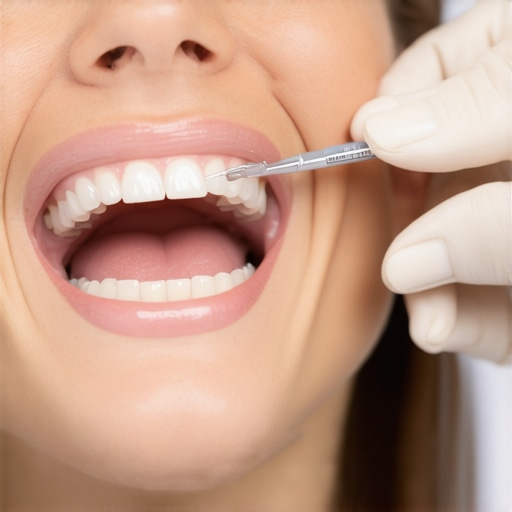
” alt=”Dental professional demonstrating proper Invisalign tray snapping technique” title=”Proper technique for snapping Invisalign trays onto back teeth”/>Many people believe they understand oral health thoroughly, but beneath the surface lie nuances that can sabotage even the most diligent routines. A common misconception is that all dental treatments are equally durable or necessary, when in reality, selecting the right approach—whether it’s Invisalign or crowns—requires understanding their specific limitations and optimal usage. For instance, many assume that Invisalign is suitable for all types of malocclusion, but advanced cases may benefit more from other orthodontic solutions, as highlighted in recent studies emphasizing personalized treatment plans.
Are We Overlooking the Long-Term Impact of Dental Materials?
A subtle but critical oversight involves the materials used in crowns or fillings. Not all dental materials are created equal; some may degrade faster, discolor, or cause sensitivities over time. A study published in the Journal of Prosthodontics warns that composite resins, while aesthetically pleasing, might not match the longevity of ceramic crowns in certain scenarios. This often leads to premature replacements or additional procedures, which could be avoided with proper initial assessment.
Another widespread myth is that modern dentistry can fix any problem instantly, but rushing into treatments without understanding their complexity can cause more harm than good. For example, aggressive flossing or overuse of whitening products may damage gums and enamel, leading to sensitivity or recession. Family dentistry experts stress the importance of tailored, gentle care routines, and staying informed about new advancements—like the transformative benefits of crowns discussed here https://familydentistpro.com/why-crowns-are-a-game-changer-in-restorative-dentistry.
For those considering Invisalign, it’s critical to understand that compliance and technique heavily influence outcomes. Overlooking the importance of proper tray insertion or cleaning can lead to delays or subpar results, as explained in a detailed guide on debunking Invisalign myths https://familydentistpro.com/invisalign-myths-debunked-what-you-need-to-know-today. Additionally, some patients mistakenly believe that whitening or cosmetic procedures are permanent, neglecting the role of ongoing maintenance and lifestyle habits. Regular checkups and understanding the science behind enamel erosion or plaque buildup are vital, and resources like the ultimate guide to crowns can offer valuable insights https://familydentistpro.com/the-ultimate-guide-to-crowns-for-a-healthier-smile.
Myth-busting aside, recognizing the interconnectedness of oral health practices is essential. Good brushing and flossing habits are not only about removing plaque but also about preventing more serious issues like gum disease or bone loss. Ignoring early warning signs—such as bleeding gums or sensitivity—can lead to irreversible damage, making professional assessments and advanced diagnostics indispensable. For a comprehensive approach, exploring the latest trends in family dentistry can shed light on innovations that improve overall health https://familydentistpro.com/family-dentistry-trends-improving-oral-health-for-all-ages.
In summary, peeling back the layers of assumptions about oral health reveals that success lies in understanding the nuances and avoiding common pitfalls. Stay informed, question standard narratives, and consult trusted professionals to ensure your dental journey is as effective and safe as possible. Have you ever fallen into this trap? Let me know in the comments.
How Do I Maintain My Smile Over Time? Practical Tools for Lasting Results
Ensuring your oral health remains optimal requires more than just daily brushing and flossing; it involves leveraging the right tools and establishing disciplined routines. Personally, I recommend investing in a high-quality electric toothbrush with timer and pressure sensors, like the Sonicare DiamondClean. Its pulse technology not only removes plaque effectively but also alerts you if you’re applying too much pressure, which can harm gums over time. In my experience, such features encourage consistent, gentle cleaning—a key factor in preserving crowns, Invisalign aligners, and general family dental health.
Another indispensable tool is a water flosser, such as the Waterpik Aquarius. Unlike traditional string floss, water flossers provide a thorough and gentle cleaning, especially around crowns and braces. I find them particularly effective at reaching tricky back molars and cleaning under gum lines, which prevents long-term issues like recession or decay. Regular use of this tool minimizes the risk of plaque build-up, particularly after meals or sugary snacks, empowering me to maintain optimal oral hygiene effortlessly.
Supplementing mechanical tools with advanced oral scanners can drastically improve diagnostics and treatment planning. For example, digital bio-scans, like those discussed here here, utilize AI-driven imaging to detect cavities or misalignments early, long before symptoms manifest. Incorporating such technology into your routine ensures ongoing monitoring and proactive care, which can prevent costly procedures down the line.
What Predicts Future Success in Family Dental Care? Staying Ahead with Cutting-Edge Tools
As dental technology evolves, the trend leans toward more personalized and minimally invasive treatments. AI-powered diagnostics and digital impressions will become standard, making long-term maintenance more precise and less disruptive. For example, 3D printing crowns tailored to your bite, as explained in this resource, offers durability and comfort that traditional methods can’t match.
How to Tackle Long-Term Maintenance of Crowns and Aligners
Consistent maintenance involves not only using the appropriate tools but also establishing habits. Daily rinsing with antiseptic mouthwash, like chlorhexidine, can prevent bacterial buildup and protect your restorations. Regular check-ins with your dentist help identify issues early, ensuring that crowns do not loosen or crack prematurely. Also, consider using a specialized shield or cover for your aligners when not in use—they protect against dirt and damage, extending their lifespan and effectiveness.
Remember, sticking to a disciplined routine combined with advanced tools creates a cycle of proactive care rather than reactive fixes. Trying out a guided routine—such as scheduling biannual professional cleanings complemented by at-home bio-scans—can significantly improve your long-term oral health.
For insight into optimal family dentistry practices, explore resources like latest trends, ensuring your routine stays ahead of common pitfalls. Don’t hesitate to experiment with tools like water flossers or digital imaging to see immediate benefits—your future self will thank you for these investments in long-term health.
What I Wish I Knew About Oral Health Before Facing the Snag
- Patience is your best tool. Rushing to snap in stubborn aligners can cause damage; gentle, steady pressure with the right technique saves you discomfort and time.
- Warm water isn’t just for tea—it softens plastic trays just enough to make fitting easier, avoiding warping that hot water can cause.
- Proper positioning makes all the difference. Adjusting your angle and using a mirror can reveal how to seat your aligners correctly, especially at the tricky back molars.
- Leverage matters. A clean elastic band, used carefully, can give you the extra tension needed without risking damage, turning a frustrating ordeal into a manageable task.
- Consistent, gentle efforts outperform force every time. Taking your time and refining your approach prevents additional issues and keeps your treatment on track.
Tools and Resources That Transformed My Dental Routine
- Sonicare DiamondClean High-Quality Electric Toothbrush: Its gentle yet thorough cleaning encourages proper flossing and plaque removal, vital for crowns and Invisalign wearers alike.
- Waterpik Aquarius Water Flosser: Reaching where traditional floss can’t, it keeps my gumline healthy and prevents long-term damage, especially around restorations.
- Advanced Digital Bio-Scans: Early cavity detection and precise fit assessments save surprises and ensure maintenance is proactive rather than reactive.
- Educational Resources from Family Dentistry Trends: Staying informed about latest innovations helps me make smarter choices in oral health routines and appliance care.
Own Your Smile, Embrace Your Journey
Remember, your efforts today lay the foundation for healthier smiles tomorrow. Don’t wait for problems to escalate—invest in good habits, trusted tools, and professional guidance. Your future self will thank you for taking these steps now. How have you tackled challenges with your Invisalign or dental appliances? Share your experience below—we’re in this together.