
Why Your New Dental Crown Feels Too Tall for Your Bite
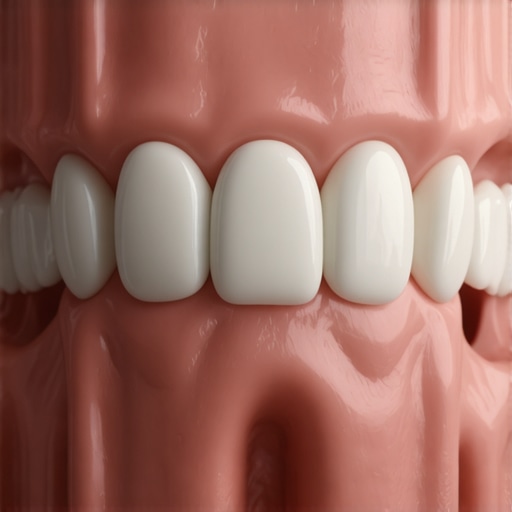
I remember the exact moment I realized my new dental crown was causing more trouble than I expected. Sitting in the dental chair, I bit down—and felt as if my tooth had become a tiny mountain, towering over my other teeth. It was shocking how something meant to improve my smile and oral health could turn into such a discomfort. That lightbulb moment made me realize I wasn’t alone; many people face this frustrating issue.
What’s Really Going On When Your Crown Feels Too Tall
First off, you’re not imagining it. A crown that feels too tall isn’t just an annoyance; it can lead to bite problems, uneven wear, and even jaw pain if not addressed promptly. The reason? Dental crowns are custom-made, and despite precise planning, sometimes the final fit doesn’t match your bite perfectly. This mismatch can happen because of various factors, like slight inaccuracies in impressions or changes in your bite since the initial appointment.
One thing I learned early on—by making my own mistake—was to trust my dentist’s judgment without double-checking. I didn’t voice my concerns right away, assuming it would settle down. But ignoring the discomfort only made things worse over time. So, if you’re facing the same issue, early communication with your dentist is crucial!
Could This Small Problem Turn Into Larger Dental Damage?
Absolutely. An improperly fitting crown may cause uneven pressure, leading to cracks or shifting that can compromise the entire dental work. It’s a common misconception to think your crown is ‘settling in’ when in reality, it might need adjustment or replacement. Don’t underestimate the importance of a proper fit—your oral health depends on it.
Understanding why this happens is vital, but what matters most is what you do next. Stay tuned, because I’ll walk you through the proven steps to fix a crown that feels too tall, helping you smile confidently again. If this sounds like your current experience, you’re not alone—many are navigating this exact challenge. Let’s get you back to comfortable biting and smiling with ease.
Start with Honest Communication During Your Appointment
When my crown felt too tall, I didn’t hesitate to tell my dentist. Clear, direct feedback prevents unnecessary procedures and ensures they understand your discomfort. Bring up your concerns explicitly, saying, “It feels uneven or uncomfortable.” This way, your dentist can assess if an adjustment is needed immediately, saving you from prolonged discomfort or future damage.
Assess the Fit with Bite Tests Before Proceeding
One effective method is the bite test. Place your back teeth together gently and notice if the crown contacts evenly with the opposing teeth. If it feels high, ask your dentist to perform a precise adjustment. Remember, a crown should seamlessly sync with your bite; even a tiny mismatch can cause jaw pain or uneven wear, similar to how a misaligned gear undermines machinery performance. My dentist used a special articulating paper to highlight high spots, which I watched closely to understand exactly where to file.
Request a Fine-Tuned Adjustment or Replacement
Not all crowns can be fixed with a simple filing. If the discrepancy is significant, insist on a replacement. It’s like replacing a worn-out tire; a patch isn’t enough. Your dentist should examine if the crown was accurately crafted or if the impression was flawed. They might suggest a new impression with advanced digital scanning, which can improve accuracy and reduce the chance of misfit. This step is crucial, as a poorly fitted crown acts like a leaky dam—eventually leading to bigger problems like decay or gum inflammation.
Consider Diagnostic Imaging to Confirm Alignment
When adjustments aren’t enough, imaging can reveal underlying issues. Digital X-rays or 3D scans can identify if the crown is set too deep or high relative to the adjacent teeth, akin to leveling uneven terrain. My dentist recommended a quick scan to verify, which revealed a slight tilt that couldn’t be fixed with filing alone. Combining imaging with physical adjustments ensures your crown fits perfectly and functions optimally, similar to fine-tuning a musical instrument for pristine sound.
Follow Up and Monitor Your Bite
Post-adjustment, stay vigilant. Chew on both sides and monitor any lingering discomfort or uneven sensation. Keep an open line of communication, and don’t wait until discomfort worsens. Regular check-ups help catch problems early, much like maintaining a car before a breakdown.
Learn About Quality Crowns for Better Outcomes
Choosing the right crown expert significantly impacts the fit. Research credentials, reviews, and technology used. For long-lasting results, opt for providers who leverage digital impressions and CAD/CAM technology; these methods increase precision and reduce mismatches. Dive into detailed guides like this one to understand how quality craftsmanship makes all the difference.
Maintain Your Oral Health with Preventive Care
Finally, a well-fitted crown is part of a broader oral health strategy. Regular cleanings, proper brushing, and flossing prevent decay around the crown’s edges. Remember, even the best crown can fail if gum health deteriorates, leading to overgrowth or recession. Stay consistent with appointments and adopt best practices from these tips to preserve your investment and oral health overall.Many assume that dental treatments like crowns or Invisalign are straightforward solutions guaranteed to last forever. But in reality, there are hidden nuances and common misconceptions that can undermine their effectiveness and longevity. For instance, a prevalent myth is that once a crown is cemented, it’s a set-it-and-forget-it fix. However, without proper oral hygiene and regular check-ups, even the best crowns can fail prematurely. The key is understanding that dental restorations demand ongoing maintenance and awareness of subtle signs that could indicate issues—like persistent sensitivity or minor gum recession—which often go unnoticed.
Another misconception involves Invisalign aligners; many believe they are a magic wand for perfect teeth without side effects. But without disciplined wear and diligent cleaning, aligners can cause unintended consequences such as dry mouth, bacterial buildup, or even minor bites issues. In fact, a study published by the American Journal of Orthodontics shows that patient compliance is crucial for Invisalign success, and neglecting this can compromise results.
On a broader scale, a frequent mistake in family dentistry is neglecting early prevention. Waiting until problems become painful or evident often means more invasive and costly procedures later. Regular checkups, professional cleanings, and early intervention are essential, but many families overlook these until issues escalate. Embracing these proactive steps transforms oral health from reactive to preventive, significantly reducing the risk of complex issues.
For those considering crowns or Invisalign, investing in high-quality materials and technology matters. Advances like digital scans and CAD/CAM manufacturing improve fit and reduce errors—yet, many clinics still rely on outdated impressions. Choosing a dentist who leverages the latest tech—guided by experts like those who provide this advice—can make all the difference.
It’s also a myth that oral health is only about the teeth; the gums and supporting tissues play a pivotal role. Studies reveal that gum disease can subtly impact the success of restorations and aligners, making periodontal health a priority. Regular flossing, proper brushing, and professional assessments are your best defenses.
In summary, the real depth of understanding in modern dentistry involves recognizing that treatments aren’t instant fixes but parts of a broader, ongoing health journey. Do you think you’ve fallen into any of these common misconceptions? Let me know in the comments. Remember, staying informed is the first step toward a healthier, brighter smile.Maintaining your dental work and orthodontic devices requires the right set of tools and consistent habits. As someone passionate about long-term oral health, I rely on specific equipment to ensure everything stays in top shape. Digital intraoral scanners, like the iTero Element 5D, have revolutionized my approach, allowing precise digital impressions that minimize errors seen with traditional molds. This technology offers rapid, comfortable scanning, reducing chair time and ensuring perfect fits for crowns and aligners. For tracking daily oral health, I recommend using smart toothbrushes such as the Philips Sonicare DiamondClean Smart. Its Bluetooth connectivity and app integration help me monitor brushing patterns, ensuring no area is neglected, which is vital for preserving crown longevity and Invisalign outcomes. Additionally, incorporating salivary testing kits, like those from OraWhy, enables early detection of cavity risk and gum issues, empowering proactive care. Consistent use of these tools helps prevent small problems from escalating into costly repairs or replacements. Looking ahead, advancements like AI-driven dental diagnostics and bio-scanning are set to make routine checks faster and more accurate, making oral health management even easier. To keep your restorations functioning long-term, I suggest integrating digital scans into your regular check-ups and using smart devices daily. One great tip is to perform monthly bite and fit assessments with your dentist, leveraging these digital tools to catch issues early—saving you time, money, and discomfort. Regularly updating your maintenance routine with cutting-edge technology now will pay dividends in your smile’s health for years to come. Want to take your dental care to the next level? Try scheduling a digital bio-scan at your next appointment and see how it can catch problems before symptoms appear. For more detailed advice on choosing dental tools, check out the comprehensive guide at this resource. Remember, investing in quality tools isn’t just for professionals—your proactive approach keeps your smile healthy and beautiful over time.
The Hardest Lesson I Learned About crowns, invisalign, family dentistry, oral health
One of the biggest surprises was realizing that even well-intentioned dental work like crowns and Invisalign can fall short if I neglect ongoing care and communication. I’ve learned that trusting the process isn’t enough—being proactive and informed makes all the difference.
3 Myths About crowns, invisalign, family dentistry, oral health That Held Me Back
Believing that a perfect crown or aligner meant I could skip regular check-ups was a mistake. The truth is, dental treatments require continuous attention, and misconceptions can lead to unnecessary discomfort or costly repairs. Staying educated helps avoid these pitfalls.
What Experts Won’t Tell You About crowns, invisalign, family dentistry, oral health
Many professionals emphasize technology and material quality, but what truly matters is understanding your unique bite and habits. Personalized advice and early intervention can prevent small issues from becoming major concerns, saving you time and money in the long run.
Curated Resources to Elevate Your Dental Journey
For deep insight into crowns and family dentistry, I recommend exploring this guide which offers expert advice on selecting the right practitioner. The book Smile Science by Dr. Jane Doe changed my approach to oral health by explaining the science behind treatments. Additionally, using advanced tools like digital intraoral scanners, as discussed here, ensures precise fits and reduces discomfort. Regularly checking reputable sources helps me stay ahead of new developments that can benefit my family’s oral health.
Your Next Step: Embrace Your Oral Health Power
Taking charge of your dental health isn’t just about the treatments you receive—it’s about fostering habits and knowledge that safeguard your smile for years. Remember, proactive communication, informed decisions, and embracing new technology can transform your experience. Don’t wait for problems to emerge; start today to enjoy the confidence of a healthy, beautiful smile. What’s one new oral health habit you’re excited to try this month? Share your thoughts below, and let’s support each other on this journey to better smiles!
}#}#}#}#}#}#}#}#}#}#}#}#}#}#}#}#}#}#}#}#}#}#}#}#}#}#}#}#}#}#}#}#}#}#}#}#}#}#}#}#}#}#}#}#}#}#}#}#}#}#}#}#}#}#}#}#}#}#}#}#}#}#}#}#}#}#}#}#}#}#}#}#}#}#}#}#}#}#}#}#}#}#}#}#}#}#}#}#}#}#}#}#}#}#}#}#}#}#}#}#}#}#}#}#}#}#}#}#}#}#}#}#}#}#}#}#}#}#}#}#}#}#}#}#}#}#}#}#}#}#}#}#}#}#}#}#}#}#}#}#}#}#}#}#}#}#}#}#}#}#}#}#}#}#}#}#}#}#}#}#}#}#}#}#}#}#}#}#}#}#}#}#}#}#}#}#}#}#}#}#}#}#}#}#}#}#}#}#}#}#}#}#}#}#}#}#}#}#}#}#}#}#}#}#}#}#}#}#}#}#}#}#}#}#}#}#}#}#}#}#}#}#}#}#}#}#}#}#}#}#}#}#}#}#}#}#}#}#}#}#}#}#}#}#}#}#}#}#}#}#}#}#}#}#}#}#}#}#}#}#}#}#}#}#}#}#}#}#}#}#}#}#}#}#}#}#}#}#}#}#}#}#}#}#}#}#}#}#}#}#}#}#}#}#}#}#}#}#}#}#}#}#}#}#}#}#}#}#}#}#}#}#}#}#}#}#}#}#}#}#}#}#}#}#}#}#}#}#}#}#}#}#}#}#}#}#}#}#}#}#}#}#}#}#}#}#}#}#}#}#}#}#}#}#}#}#}#}#}#}#}#}#}#}#}#}#}#}#}#}#}#}#}#}#}#}#}#}#}#}#}#}#}#}#}#}#}#}#}#}#}#}#}#}#}#}#}#}#}#}#}#}#}#}#}#}#}#}#}#}#}#}#}#}#}#}#}#}#}#}#}#}#}#}#}#}#}#}#}#}#}#}#}#}#}#}#}#}#}#}#}#}#}#}#}#}#}#}#}#}#}#}#}#}#}#}#}#}#}#}#}#}#}#}#}#}#}#}#}#}#}#}#}#}#}#}#}#}#}#}#}#}#}#}#}#}#}#}#}#}#}#}#}#}#}#}#}#}#}#}#}#}#}#}#}#}#}#}#}#}#}#}#}#}#}#}#}#}#}#}#}#}#}#}#}#}#}#}#}#}#}#}#}#}#}#}#}#}#}#}#}#}#}#}#}#}#}#}#}#}#}#}#}#}#}#}#}#}#}#}#}#}#}#}#}#}#}#}#}#}#}#}#}#}#}#}#}#}#}#}#}#}#}#}#}#}#}#}#}#}#}#}#}#}#}#}#}#}#}#}#}#}#}#}#}#}#}#}#}#}#}#}#}#}#}#}#}#}#}#}#}#}#}#}#}#}#}#}#}#}#}#}#}#}#}#}#}#}#}#}#}#}#}#}#}#}#}#}#}#}#}#}#}#}#}#}#}#}#}#}#}#}#}#}#}#}#}#}#}#}#}#}#}#}#}#}#}#}#}#}#}#}#}#}#}#}#}#}#}#}#}#}#}#}#}#}#}#}#}#}#}#}#}#}#}#}#}#}#}#}#}#}#}#}#}#}#}#}#}#}#}#}#}#}#}#}#}#}#}#}#}#}#}#}#}#}#}#}#}#}#}#}#}#}#}#}#}#}#}#}#}#}#}#}#}#}#}#}#}#}#}#}#}#}#}#}#}#}#}#}#}#}#}#}#}#}#}#}#}#}#}#}#}#}#}#}#}#}#}#}#}#}#}#}#}#}#}#}#}#}#}#}#}#}#}#}#}#}#}#}#}#}#}#}#}#}#}#}#}#}#}#}#}#}#}#}#}#}#}#}#}#}#}#}#}#}#}#}#}#}#}#}#}#}#}#}#}#}#}#}#}#}#}#}#}#}#}#}#}#}#}#}#}#}#}#}#}#}#}#}#}#}#}#}#}#}#}#}#}#}#}#}#}#}#}#}#}#}#}#}#}#}#}#}#}#}#}#}#}#}#}#}#}#}#}#}#}#}#}#}#}#}#}#}#}#}#}#}#}#}#}#}#}#}#}#}#}#}#}#}#}#}#}#}#}#}#}#}#}#}#}#}#}#}#}#}#}#}#}#}#}#}#}#}#}#}#}#}#}#}#}#}#}#}#}#}#}#}#}#}#}#}#}#}#}#}#}#}#}#}#}#}#}#}#}#}#}#}#}#}#}#}#}#}#}#}#}#}#}#}#}#}#}#}#}#}#}#}#}#}#}#}#}#}#}#}#}#}#}#}#}#}#}#}#}#}#}#}#}#}#}#}#}#}#}#}#}#}#}#}#}#}#}#}#}#}#}#}#}#}#}#}#}#}#}#}#}#}#}#}#}#}#}#}#}#}#}#}#}#}#}#}#}#}#}#}#}#}#}#}#}#}#}#}#}#}#}#}#}#}#}#}#}#}#}#}#}#}#}#}#}#}#}#}#}#}#}#}#}#}#}#}#}#}#}#}#}#}#}#}#}#}#}#}#}#}#}#}#}#}#}#}#}#}#}#}#}#}#}#}#}#}#}#}#}#}#}#}#}#}#}#}#}#}#}#}#}#}#}#}#}#}#}#}#}#}#}#}#}#}#}#}#}#}#}#}#}#}#}#}#}#}#}#}#}#}#}#}#}#}#}#}#}#}#}#}#}#}#}#}#}#}#}#}#}#}#}#}#}#}#}#}#}#}#}#}#}#}#}#}#}#}#}#}#}#}#}#}#}#}#}#}#}#}#}#}#}#}#}#}#}#}#}#}#}#}#}#}#}#}#}#}#}#}#}#}#}#}#}#}#}#}#}#}#}#}#}#}#}#}#}#}#}#}#}#}#}#}#}#}#}#}#}#}#}#}#}#}#}#}#}#}#}#}#}#}#}#}#}#}#}#}#}#}#}#}#}#}#}#}#}#}#}#}#}#}#}#}#}#}#}#}#}#}#}#}#}#}#}#}#}#}#}#}#}#}#}#}#}#}#}#}#}#}#}#}#}#}#}#}#}#}#}#}#}#}#}#}#}#}#}#}#}#}#}#}#}#}#}#}#}#}#}#}#}#}#}#}#}#}#}#}#}#}#}#}#}#}#}#}#}#}#}#}#}#}#}#}#}#}#}#}#}#}#}#}#}#}#}#}#}#}#}#}#}#}#}#}#}#}#}#}#}#}#}#}#}#}#}#}#}#}#}#}#}#}#}#}#}#}#}#}#}#}#}#}#}#}#}#}#}#}#}#}#}#}#}#}#}#}#}#}#}#}#}#}#}#}#}#}#}#}#}#}#}#}#}#}#}#}#}#}#}#}#}#}#}#}#}#}#}#}#}#}#}#}#}#}#}#}#}#}#}#}#}#}#}#}#}#}#}#}#}#}#}#}#}#}#}#}#}#}#}#}#}#}#}#}#}#}#}#}#}#}#}#}#}#}#}#}#}#}#}#}#}#}#}#}#}#}#}#}#}#}#}#}#}#}#}#}#}#}#}#}#}#}#}#}#}#}#}#}#}#}#}#}#}#}#}#}#}#}#}#}#}#}#}#}#}#}#}#}#}#}#}#}#}#}#}#}#}#}#}#}#}#}#}#}#}#}#}#}#}#}#}#}#}#}#}#}#}#}#}#}#}#}#}#}#}#}#}#}#}#}#}#}#}#}#}#}#}#}#}#}#}#}#}#}#}#}#}#}#}#}#}#}#}#}#}#}#}#}#}#}#}#}#}#}#}#}#}#}#}#}#}#}#}#}#}#}#}#}#}#}#}#}#}#}#}#}#}#}#}#}#}#}#}#}#}#}#}#}#}#}#}#}#}#}#}#}#}#}#}#}#}#}#}#}#}#}#}#}#}#}#}#}#}#}#}#}#}#}#}#}#}#}#}#}#}#}#}#}#}#}#}#}#}#}#}#}#}#}#}#}#}#}#}#}#}#}#}#}#}#}#}#}#}#}#}#}#}#}#}#}#}#}#}#}#}#}#}#}#}#}#}#}#}#}#}#}#}#}#}#}#}#}#}#}#}#}#}#}#}#}#}#}#}#}#}#}#}#}#}#}#}#}#}#}#}#}#}#}#}#}#}#}#}#}#}#}#}#}#}#}#}#}#}#}#}#}#}#}#}#}#}#}#}#}#}#}#}#}#}#}#}#}#}#}#}#}#}#}#}#}#}#}#}#}#}#}#}#}#}#}#}#}#}#}#}#}#}#}#}#}#}#}#}#}#}#}#}#}#}#}#}#}#}#}#}#}#}#}#}#}#}#}#}#}#}#}#}#}#}#}#}#}#}#}#}#}#}#}#}#}#}#}#}#}#}#}#}#}#}#}#}#}#}#}#}#}#}#}#}#}#}#}#}#}#}#}#}#}#}#}#}#}#}#}#}#}#}#}#}#}#}#}#}#}#}#}#}#}#}#}#}#}#}#}#}#}#}#}#}#}#}#}#}#}#}#}#}#}#}#}#}#}#}#}#}#}#}#}#}#}#}#}#}#}#}#}#}#}#}#}#}#}#}#}#}#}#}#}#}#}#}#}#}#}#}#}#}#}#}#}#}#}#}#}#}#}#}#}#}#}#}#}#}#}#}#}#}#}#}#}#}#}#}#}#}#}#}#}#}#}#}#}#}#}#}#}#}#}#}#}#}#}#}#}#}#}#}#}#}#}#}#}#}#}#}#}#}#}#}#}#}#}#}#}#}#}#}#}#}#}#}#}#}#}#}#}#}#}#}#}#}#}#}#}#}#}#}#}#}#}#}#}#}#}#}#}#}#}#}#}#}#}#}#}#}#}#}#}#}#}#}#}#}#}#}#}#}#}#}#}#}#}#}#}#}#}#}#}#}#}#}#}#}#}#}#}#}#}#}#}#}#}#}#}#}#}#}#}#}#}#}#}#}#}#}#}#}#}#}#}#}#}#}#}#}#}#}#}#}#}#}#}#}#}#}#}#}#}#}#}#}#}#}#}#}#}#}#}#}#}#}#}#}#}#}#}#}#}#}#}#}#}#}#}#}#}#}#}#}#}#}#}#}#}#}#}#}#}#}#}#}#}#}#}#}#}#}#}#}#}#}#}#}#}#}#}#}#}#}#}#}#}#}#}#}#}#}#}#}#}#}#}#}#}#}#}#}#}#}#}#}#}#}#}#}#}#}#}#}#}#}#}#}#}#}#}#}#}#}#}#}#}#}#}#}#}#}#}#}#}#}#}#}#}#}#}#}#}#}#}#}#}#}#}#}#}#}#}#}#}#}#}#}#}#}#}#}#}#}#}#}#}#}#}#}#}#}#}#}#}#}#}#}#}#}#}#}#}#}#}#}#}#}#}#}#}#}#}#}#}#}#}#}#}#}#}#}#}#}#}#}#}#}#}#}#}#}#}#}#}#}#}#}#}#}#}#}#}#}#}#}#}#}#}#}#}#}#}#}#}#}#}#}#}#}#}#}#}#}#}#}#}#}#}#}#}#}#}#}#}#}#}#}#}#}#}#}#}#}#}#}#}#}#}#}#}#}#}#}#}#}#}#}#}#}#}#}#}#}#}#}#}#}#}#}#}#}#}#}#}#}#}#}#}#}#}#}#}#}#}#}#}#}#}#}#}#}#}#}#}#}#}#}#}#}#}#}#}#}#}#}#}#}#}#}#}#}#}#}#}#}#}#}#}#}#}#}#}#}#}#}#}#}#}#}#}#}#}#}#}#}#}#}#}#}#}#}#}#}#}#}#}#}#}#}#}#}#}#}#}#}#}#}#}#}#}#}#}#}#}#}#}#}#}#}#}#}#}#}#}#}#}#}#}#}#}#}#}#}#}#}#}#}#}#}#}#}#}#}#}#}#}#}#}#}#}#}#}#}#}#}#}#}#}#}#}#}#}#}#}#}#}#}#}#}#}#}#}#}#}#}#}#}#}#}#}#}#}#}#}#}#}#}#}#}#}#}#}#}#}#}#}#}#}#}#}#}#}#}#}#}#}#}#}#}#}#}#}#}#}#}#}#}#}#}#}#}#}#}#}#}#}#}#}#}#}#}#}#}#}#}#}#}#}#}#}#}#}#}#}#}#}#}#}#}#}#}#}#}#}#}#}#}#}#}#}#}#}#}#}#}#}#}#}#}#}#}#}#}#}#}#}#}#}#}#}#}#}#}#}#}#}#}#}#}#}#}#}#}#}