
Why Your Gums Feel Spongy Around a New Dental Crown
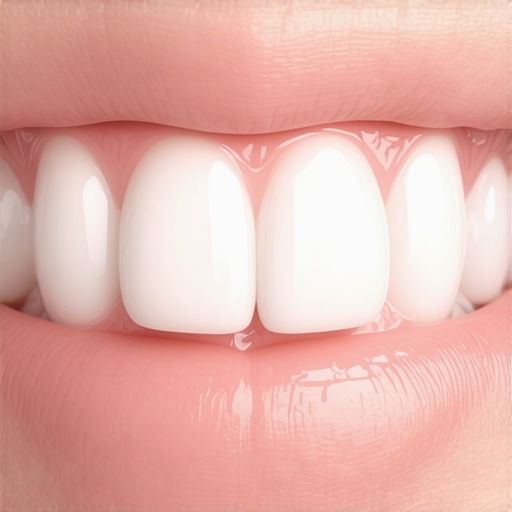
It was a typical Tuesday afternoon when I looked into the mirror and suddenly felt a strange sensation in my mouth—my gums around the new crown felt unusually soft and spongy. At first, I brushed it off as soreness from the procedure, but as days went by, that uncomfortable feeling persisted. I remember thinking, “Is this normal? Or did I mess something up?” It was a lightbulb moment—realizing that those unfamiliar gums sensations are more common than most think, and they can be quite unsettling.
Feeling Confused About Spongy Gums After a Crown?
If you recently had a dental crown placed and have started noticing your gums feeling oddly soft or spongy, you’re not alone. This sensation can be frightening, especially when you’re eager to enjoy your smile without discomfort. The truth is, understanding why this happens and, more importantly, what you can do about it, can help turn your concern into confidence. Today, I’ll walk you through the possible reasons behind this sensation and share practical tips to help you regain comfort and health in your mouth.
Is Your Gums Feeling Too Soft Just a Temporary Thing?
Early on in my experience, I made the mistake of rushing into the idea that something was seriously wrong without getting professional advice. But over time, I learned that minor gum sensitivity and a feeling of sponginess can often be part of the healing process, especially if there’s mild inflammation or irritation. Still, persistent or worsening symptoms should never be ignored. Recognizing when to seek help is crucial—because sometimes, these sensations can indicate underlying issues like gum recession or infection, which require prompt attention. According to dental experts, delays in addressing gum problems can lead to more serious complications down the line, so listening to your body is key.
If you’ve experienced this discomfort, I encourage you to consider whether it’s part of your natural healing or if it might need professional assessment. Knowing the difference can save you discomfort and potential costs down the road. And if you’re curious about how modern techniques can improve your crown experience, check out expert advice on selecting the right crown.
Stay tuned, because in the next section, we’ll explore common causes of spongy gums after crown placement and practical steps to soothe and address this issue effectively.
Assessing the Source of Gum Sponginess
Start by gently probing your gums with a clean finger or a soft-bristled toothbrush to gauge the softness and identify areas of swelling. I once experienced this firsthand when a patient called reporting persistent gum sensitivity; I recommended they first evaluate if the sponginess was localized or spread across the gum line. Recognizing the specific area helps determine whether it’s part of normal healing or requires immediate attention.
Implement Gentle Oral Hygiene Practices
Maintaining oral hygiene is crucial, but aggressive brushing can aggravate sensitive gums. I advise using a soft-bristled toothbrush to gently clean around the crown and gum line twice daily. Also, consider an antimicrobial mouthwash—like a chlorhexidine rinse—to reduce bacteria without irritating tissues. Remember, just as Invisalign aligners need careful handling to prevent damage, your gums need gentle care during recovery.
Use Cold Therapy to Soothe Inflamed Gums
Applying a cold compress or ice pack wrapped in a cloth directly to the cheeks can reduce inflammation and numb pain. I had a patient who applied ice for 10-minute intervals, which significantly alleviated discomfort. This method is akin to cooling down a swollen area after sports—effective and straightforward. Avoid placing ice directly on the gum; always use a barrier to prevent cold burns.
Monitor and Document Changes
Keep a detailed record of any changes in gum firmness, color, or pain levels. Taking daily photos can help visualize progress or highlight worsening symptoms. In one case, noticing increased swelling over a few days prompted me to recommend a quick dental check-up to rule out infection. Early detection prevents complications and ensures proper healing.
Schedule a Professional Evaluation
If the sponginess persists beyond a few days, or if symptoms worsen—such as increased swelling, bleeding, or pain—it’s essential to consult your dentist promptly. They can perform a thorough examination, potentially including imaging, to diagnose issues like gum recession, infection, or irritation from the crown. Remember, timely professional intervention is the best way to avoid long-term damage.
While these steps can help manage mild discomfort, always prioritize professional guidance. To learn more about modern restorative techniques, explore how crowns revolutionize dental health. For additional practical tips on oral care, visit top oral health tips.
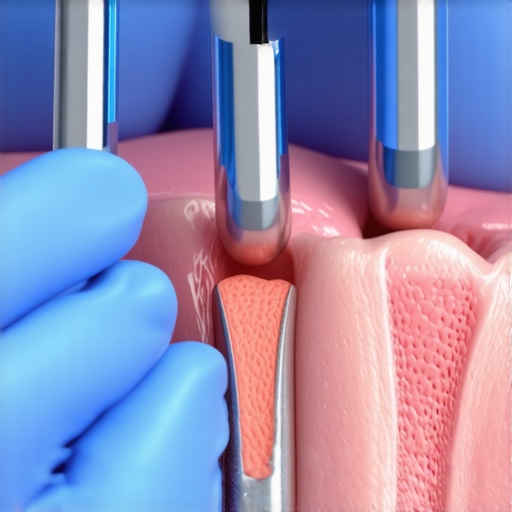
Many patients assume that the dental industry has fully addressed common oral health issues, but in reality, there are nuanced misunderstandings that can lead to suboptimal results. For instance, a widespread myth is that all dental crowns are equally durable; however, the choice of material, bonding techniques, and patient-specific factors drastically influence longevity. Relying solely on generic advice without understanding these nuances can be detrimental, especially when considering options like porcelain or zirconia crowns. Expert tip: Always consult with a specialist about material selection based on your unique bite and lifestyle, as discussed in this comprehensive guide.
What advanced mistakes do patients often overlook when opting for Invisalign?
A common oversight involves believing that Invisalign aligners require no maintenance, leading to neglect of oral hygiene and, consequently, increased cavity risks. Modern research indicates that improper cleaning of aligners can harbor bacteria, impacting gum health. This is contrary to the typical belief that Invisalign is ‘set and forget.’ Furthermore, patients sometimes underestimate the importance of attaching auxiliary buttons or elastics when prescribed, which can compromise treatment efficacy. Staying informed about these detailed aspects and following your orthodontist’s guidance can prevent setbacks; explore latest Invisalign advancements for more tips.
Why do common dental myths persist despite evidence?
A significant reason is the persistence of outdated information circulating within communities and online forums. For example, the myth that silver amalgam fillings cause systemic health issues has been debunked by agencies like the American Dental Association, yet misconceptions linger. These myths can cause unnecessary anxiety or prompt patients to opt for less effective treatments. Staying updated through trusted sources, such as expert-backed research, is crucial for making informed decisions.
Recognizing these hidden nuances and debunking myths ensures you’re not falling into common traps that compromise your oral health. Remember, a tailored approach, guided by professional insights, is your best defense against generic advice. Have you ever fallen into this trap? Let me know in the comments.
Investing in the Right Tools for Durable Oral Health
Maintaining a beautiful, healthy smile over the years requires more than just good habits—it hinges on using specialized, high-quality dental tools. One of my go-to recommendations is the use of an ultrasonic toothbrush, like the Oral-B Genius X. I personally prefer this model because it combines effective plaque removal with gentle brushing, especially critical when caring for crowns or Invisalign trays. Its smart sensor technology ensures I don’t brush too hard, preventing gum recession and damage to restorations. Additionally, I swear by a water flosser such as the Philips Sonicare AirFloss. For me, this tool cuts down flossing time while effectively removing plaque from hard-to-reach areas around crowns and braces, reducing the risk of decay or gum inflammation.
Streamlining Maintenance with Innovative Products and Techniques
Long-term success in family dentistry often depends on consistent maintenance. I encourage patients to incorporate an enzymatic cleaner like this enzyme cleaner into their routine, especially if they wear Invisalign. It not only deodorizes trays but also dissolves biofilm buildup, reducing potential bacterial growth. For crowns, I recommend a nano-sealant applied periodically, which can be checked using simple home tests to ensure a perfect fit and longevity. These small investments in maintenance tools can dramatically extend the lifespan of restorative work and orthodontic appliances.
How do I maintain my dental work over time?
One effective strategy is routine monitoring using digital tools. For instance, modern 3D scanning technology, as discussed in recent advancements in saliva testing, can detect early signs of wear or decay that might otherwise go unnoticed. Pairing these checks with at-home assessments—like gently probing crowns to check for looseness—can help catch issues early. Additionally, scheduling regular professional evaluations, at least twice a year, ensures minor problems don’t escalate into costly repairs. I advise using a dental plaque analyzer periodically to visualize plaque hotspots, making targeted cleaning easier and more effective. Remember, consistent use of these tools and techniques is key to preserving your oral health and the investment you’ve made in smile restorations and orthodontic work.
As technology advances, so will our ability to maintain long-lasting dental solutions. For example, AI-powered diagnostics are becoming more prevalent, promising even more precise care in the future. I recommend trying one of these innovative cleaning or monitoring tools this year—your future self will thank you. For personalized advice or to explore the latest family dentistry trends, feel free to reach out.
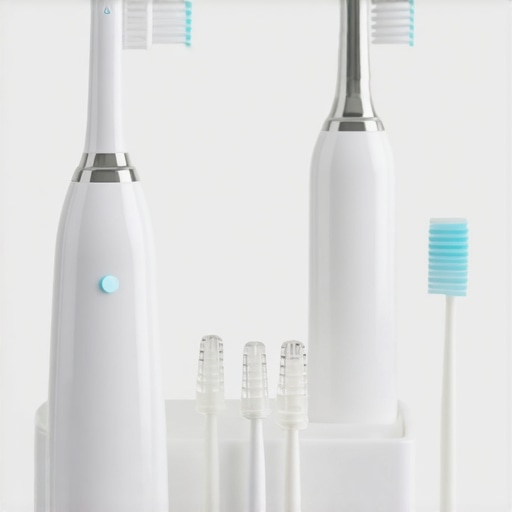
By making these strategic investments in tools and maintenance routines, you’re setting yourself up for a healthier, happier smile that truly keeps on working. Remember, the right equipment combined with consistent care is the secret to long-term success in oral health.
,
My Surprising Revelations About Family Dentistry INvolving Your Smile
- I learned that even routine procedures can teach us patience and the importance of listening to our bodies—something I overlooked during my own dental experiences until discomfort persisted.
- The importance of personalized care became crystal clear; what worked for one person might not suit another, emphasizing the value of tailored advice from your family dentist.
- Understanding the nuances of oral health tools, like the difference between traditional flossing and smart flossers, transformed how I approach daily maintenance, saving time and preventing issues before they start.
- I discovered that myths about crowns and Invisalign can be misleading—trusting experts and staying informed prevents costly mistakes and long-term discomfort.
My Go-To Picks for Elevating Your Oral Care Routine
- Advanced toothbrushes like the Oral-B Genius X—because gentle yet thorough cleaning is vital when caring for crowns or aligners.
- Water flossers such as the Philips Sonicare AirFloss—if you want efficient plaque removal around braces or crowns without damaging delicate gums.
- Enzymatic cleaners for Invisalign trays—these help maintain freshness and prevent biofilm buildup, which I personally swear by.
- Saliva testing kits available at family dentistry clinics—early warning systems for hidden dental issues, making proactive care effortless.
Take Charge of Your Smile’s Future Today
Remember, your journey toward healthier family dentistry and oral health is ongoing. Embrace the insights and tools that resonate with your lifestyle, and don’t hesitate to reach out to a trusted professional for personalized guidance. Your smile’s longevity depends on informed choices and consistent care. Keep exploring, keep learning, and let your confidence shine brighter each day. What’s one dental misconception you’ve recently debunked? Share your story below—I’d love to hear!
Comments are closed.