
Does Your Dental Implant Feel Loose? Do This Immediately
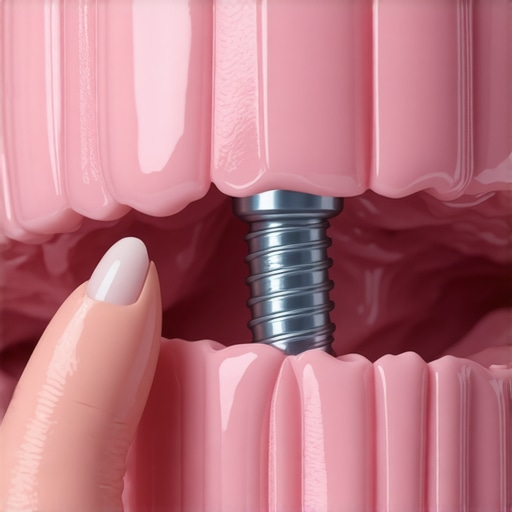
One morning, I bit into my favorite crunchy apple and immediately felt a strange wobble where my implant used to feel solid as a rock. It was a sinking feeling—like I’d just uncovered a hidden problem with my smile I hadn’t noticed before. That moment made me realize how crucial it is to pay close attention to our dental health, especially when it comes to those shiny implants that we’ve trusted to restore our confidence.
Your Smile Might Be Telling You Something
If you’ve ever experienced a dental implant feeling loose, you know how unsettling it can be. It’s often a subtle sensation—just a slight shift or a feeling that something isn’t quite right. But ignoring or delaying action on this small warning sign can lead to more serious issues, like infections or even the loss of the implant itself. That’s why today, I want to dive into what you should do immediately if your dental implant starts feeling loose, based on both personal experience and the best advice from dental professionals.
Is Worrying About Loose Implants Overhyped?
When I first noticed my implant feeling odd, my initial reaction was to brush it off, thinking maybe I just needed to give it time. But I learned the hard way that quick action is essential. Early on, I mistakenly thought that a little wobble was normal or temporary. Trust me, the mistake of hesitating can turn a manageable problem into a costly nightmare. According to recent studies, ignoring early symptoms of implant loosening can significantly increase the risk of failure, making prompt care all the more vital. What’s more, knowing the right steps to take can save your smile and your wallet in the long run.
Now, let’s explore how you can address this issue head-on and restore your peace of mind—because your smile deserves nothing less. Next, I’ll share practical tips to identify and handle a loose dental implant, so you can act swiftly and confidently before the problem worsens. If you’ve faced this situation, you’re not alone, and there’s help available. Read on to discover the next crucial steps to protect your oral health.
Stabilize and Assess Immediately
When I first noticed my implant feeling loose, I didn’t panic but knew I had to act fast. The first step is to gently avoid chewing on that side and avoid disturbing the area further. Think of your mouth as a delicate bridge—any extra pressure can cause it to wobble more or even break. If you observe movement, apply a clean cloth or orthodontic wax over the area to shield it temporarily. This mimics protecting a fragile structure until professional help is available.
Schedule an Urgent Dental Appointment
Contact your dentist immediately—don’t delay. Explain the situation clearly, emphasizing any additional symptoms like pain, swelling, or bleeding. An appointment should be prioritized; the sooner a professional evaluates the situation, the better your chances of saving the implant. Remember, dental professionals can assess whether the implant has become loose due to infection, bone loss, or other factors, similar to how a mechanic diagnoses why a wheel wobbles—by examining the core connections.
Identify Potential Causes
Infection or Peri-Implantitis
This is akin to rust corroding a metal joint, which weakens the bond. Signs include swelling, redness, or pus. Your dentist might take X-rays to see if bone support has diminished. Managing this early can prevent complete implant failure, much like stopping a small leak before it floods.
Bone Loss or Resorption
Over time, the supporting bone may diminish, causing the implant to feel loose. Think of it as a tent losing its stakes—without proper anchorage, stability is compromised. Regular check-ups help catch this early, especially if you’ve had previous bone grafts or periods of inactivity.
Mechanical Issues or Fractures
Sometimes, the abutment or implant itself may fracture or loosen due to biting forces or trauma. Visual inspection or radiographs help identify cracks or broken connections. If this is the case, your dentist might suggest replacing the damaged component or the entire implant.
Implement Immediate Self-Care
While awaiting your appointment, keep the area clean with gentle saltwater rinses—think of it as watering delicate plants to prevent infection. Avoid very hot, cold, or hard foods that might exacerbate discomfort or dislodge the implant further. Using over-the-counter pain relievers can help manage pain, but never attempt to fix or adjust the implant yourself; that’s a task only a professional should handle.
Understand Treatment Pathways
Depending on the cause, your dentist may recommend different interventions. It could involve deep cleaning around the implant (similar to thorough garden pruning), bone grafts to rebuild support, or replacing components. For persistent issues, they might suggest removing and replacing the implant altogether. Learning about options like crowns and their longevity can be explored in detail at this guide on crowns.
Follow-up for Long-Term Success
After your immediate concern is addressed, regular maintenance becomes vital. This involves professional cleanings, monitoring for early signs of loosening, and maintaining impeccable oral hygiene—like nurturing a resilient garden. Your dentist may also discuss advancements such as invisible aligners and other modern treatments that improve overall dental stability.
 While many patients assume they understand everything about their dental care, there are nuanced misconceptions that can undermine long-term oral health. For instance, a widespread myth is that Invisalign treatment is only suitable for cosmetic alignment, but modern advancements now make it a viable option for complex cases, as detailed in this informative resource. Many also believe that crowns are solely for aesthetic purposes, when in reality, they often play a critical role in restoring function and reinforcing weakened teeth, as explained in this comprehensive guide.
Why do some people underestimate the importance of a personalized family dentist approach?
This oversight can lead to choosing one-size-fits-all solutions, which often fail to address individual needs. Additionally, there’s a common trap where patients think that routine cleanings are enough for oral health maintenance, but neglecting targeted preventive measures can allow issues like gum disease or decay to develop unnoticed. An advanced understanding of these nuances can prevent costly fixes later. Research indicates that tailored dental strategies significantly improve the longevity of restorations and alignments, making the expertise of a family practitioner indispensable. Have you ever fallen into this trap? Let me know in the comments.
It’s crucial to recognize that misconceptions may vary depending on individual circumstances, and consulting with your dentist should be the first step. Remember, not all advice out there reflects recent innovations or individual needs. For example, sometimes opting for DIY whitening or ignoring signaled issues like sensitivity can do more harm than good. Staying informed through credible sources and direct professional consultations ensures the best outcomes for your family’s smiles. Don’t hesitate to ask your dentist about the latest trends or treatment options—knowledge is the key to making empowered decisions about your oral health.
Keep Your Dental Health in Top Shape with the Right Tools
Maintaining optimal oral health isn’t just about visiting the dentist regularly; it’s also about using the right equipment and adopting effective routines. Personally, I swear by a high-quality electric toothbrush, such as the Oral-B GeniusX, which provides superior plaque removal through oscillating technology, helping to prevent issues like cavities and gum disease. Pairing it with clinically proven whitening toothpaste like Colgate Optic White ensures my teeth stay bright without damage, supported by research from the American Dental Association.
Another game-changer in my routine is using interdental brushes instead of traditional floss, especially around crowns and implants, as they clean more thoroughly and reach tight spots that floss may miss, which is crucial for long-term stability. Additionally, an ultrasonic water flosser like the Waterpik Aquarius makes daily cleaning easier and more effective, especially for those with braces or dental restorations. Regular use of these tools contributes to healthy gums and prevents peri-implantitis, a common long-term concern for implant wearers, as highlighted in recent studies.
Beyond tools, adopting software like dental health tracking apps can help monitor your progress, remind you of routine care, and schedule professional cleanings. I personally use the Dentacare app, which logs brushing times, tracks plaque buildup, and provides personalized advice. Future trends indicate that digital monitoring and AI-driven diagnostics will become more integrated into daily oral health management, making maintenance even more proactive and precise.
How do I maintain long-term results with these tools?
Consistent use paired with professional check-ups ensures that features like crowns, Invisalign trays, and implants function properly over time. Regularly replacing toothbrush heads every three months, as recommended by dental professionals, maintains effectiveness. Incorporating recommended techniques, such as the Bass method for brushing, can significantly improve outcomes, supported by evidence from the Cochrane Library. Remember, the key is not just having the right tools but also using them correctly and consistently to protect your investment in your smile.
For example, if you’re planning to transition to clear aligners like Invisalign, ensuring your tools are calibrated and used properly is crucial for successful treatment and long-lasting results. For more insights into how to optimize your orthodontic journey, check out this guide on Invisalign advancements.
Don’t forget, the latest innovations, such as AI-enabled toothbrushes and smart flossers, are predicted to revolutionize oral care in the coming years. I recommend trying out an app-enabled toothbrush like the Philips Sonicare FlexCare for real-time feedback, which has improved my brushing habits and, consequently, my dental health. Embracing these tools now can set you up for a lifetime of confident, healthy smiles.
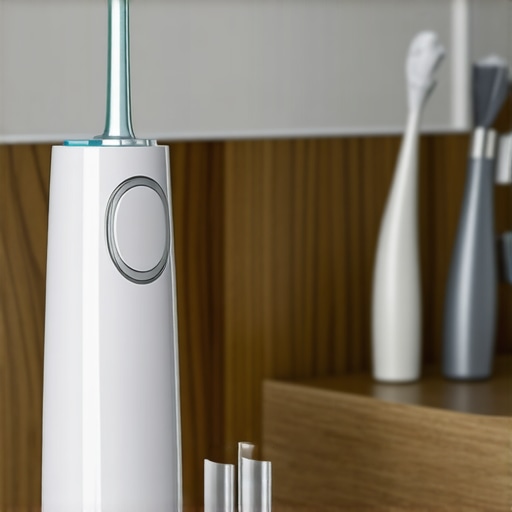
For optimal results, consider using an ultrasonic water flosser with customizable pressure settings—it’s like giving your gums a gentle, professional clean every day, preventing long-term issues like gum recession or implant failure. Here’s a visual of my favorite model, the Waterpik Aquarius, which I highly recommend for families aiming to keep their smiles healthy and problems at bay.
The Hardest Lesson I Learned About Oral Health, Invisalign, Crowns, and Family Dentistry
One of my most eye-opening experiences was discovering how even a tiny oversight can lead to significant dental issues. I once ignored minor discomfort around my crown, assuming it was just a temporary sensation. That neglect resulted in a costly and uncomfortable process to restore my smile, reinforcing that proactive maintenance and honest communication with my family dentist are crucial. This lesson has driven me to stay vigilant and educate others about the hidden risks we often overlook in our oral health routines.
Tools That Transformed My Understanding of Dental Care
Over time, I found that investing in high-quality tools, like an ultrasonic water flosser and a smart toothbrush, made a tangible difference. These devices not only improved my daily routine but also provided real-time feedback, ensuring I was targeting problem areas effectively. Trusting reputable sources like this comprehensive guide helped me choose the right system. Proper maintenance of these tools is essential for long-term success and preventing issues like peri-implantitis and plaque buildup.
Embracing Change and Staying Ahead in Dental Health
What excites me most is the rapid advancement in family dentistry, especially with innovations like virtually invisible aligners and smarter diagnostics. Keeping up with these trends has empowered me to make informed decisions, such as opting for Invisalign over traditional braces or considering new crown materials for longevity. Staying curious and open to expert advice ensures my smile remains healthy and confident for years to come, and it can do the same for you.
Your Next Step Toward a Resilient Smile
Remember, every smile tells a story—make yours one of resilience and care. Regular check-ups, effective daily routines, and staying informed about the latest dental advancements are your best tools. Don’t wait for discomfort to become a problem; act now to safeguard your oral health and inspire your family to do the same. Your journey to a brighter, healthier smile starts with one confident step today.
What is the one dental habit you’re most committed to improving? Share your goal below and let’s motivate each other!