
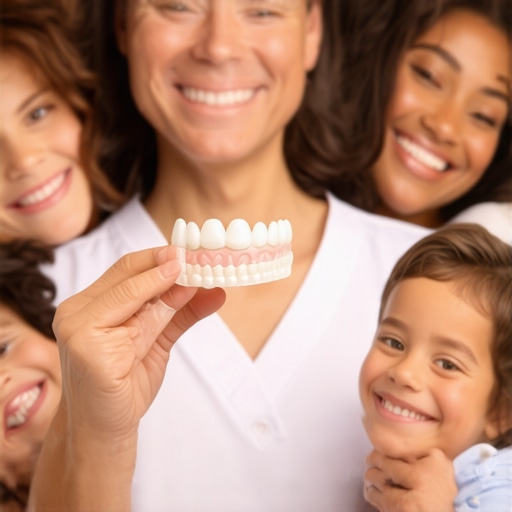
I vividly remember the moment I realized my own dental neglect was affecting more than just my confidence—it was impacting my family’s health. A small cavity turned into a root canal, and suddenly, I was facing expensive procedures and a loss of trust in my smile. That lightbulb moment made me dig deeper into family dentistry, discovering that the secrets to lasting oral health are within everyone’s reach. Today, I want to share my journey and what I’ve learned about the power of crowns, Invisalign, and simple yet effective oral care routines.
Your Family’s Smile Deserves Expert Tips and Trust
In the chaos of daily life, it’s easy to overlook dental health until problems become unavoidable. But what if I told you that making small, informed choices now can prevent pain, save money, and restore confidence for years to come? From understanding how crowns can be game-changers in restorative dentistry to debunking myths about Invisalign, this is about empowering you to make decisions that benefit your entire family. According to recent studies, over 50% of adults avoid visiting the dentist due to fear or misconceptions—something I faced early on myself. But the good news? With the right knowledge and professional guidance, maintaining a healthy smile is simpler than you think.
Are you tired of hiding your smile because of dental issues or doubts about treatments? If so, you’re not alone. Let’s explore proven strategies to elevate your family’s oral health and rebuild trust in your smiles.
Is Invisalign Really Worth the Hype for Your Family?
Early in my practice, I made the mistake of dismissing Invisalign as a gimmick—until I saw firsthand how it transformed my patients’ confidence and oral health. The clear aligners offer a discreet alternative to traditional braces, making it easier for busy families to stick with their treatment plans. For many, Invisalign can be a game-changer, especially when paired with expert advice on choosing the right solutions. Curious whether Invisalign is the proper fit for your family’s needs? You might want to check out our comprehensive guide on [Invisalign myths debunked](https://familydentistpro.com/invisalign-myths-debunked-what-you-need-to-know-today), which offers clarity on its benefits and limitations.
Assessing Your Family’s Dental Needs with Precision
Start by conducting a visual check of each family member’s oral health, noting any discoloration, visible decay, or misalignment. Use a mirror and flashlight to examine teeth and gums closely, and keep a record of concerns. Schedule comprehensive dental check-ups to identify issues that aren’t immediately visible, ensuring proactive care—think of it like inspecting a house for leaks before they cause damage.
Implementing a Consistent Oral Hygiene Routine
Develop a habit of brushing twice daily with fluoride toothpaste for at least two minutes, making it a family ritual. Use a timer or play a song to ensure thoroughness. Floss every night—treat it like cleaning behind appliances or furniture, which is often overlooked but essential for preventing plaque buildup. Encourage children to see brushing as a daily shield against cavities, reinforcing its importance with positive feedback.
Prioritizing Professional Care and Customized Solutions
Schedule regular dental visits—every six months—to catch issues early. During these visits, discuss personalized treatment options like crowns or Invisalign. Crowns, for instance, act like protective caps for damaged teeth, restoring strength and function—similar to fitting a new tire on a worn-out wheel. Invisalign offers discreet alignment corrections, akin to invisible braces, making it easier for active families to maintain their routine without social embarrassment.
Choosing the Right Restorative Solutions
If a tooth is severely decayed or damaged, opting for a crown can be a game-changer. Think of it as placing a sturdy lid on a pot to prevent leaks—restoring the tooth’s integrity. When selecting a crown, consult a trusted specialist who can recommend the best material for durability and aesthetics, much like choosing the right tools for a repair job. To understand how crowns fit into restorative strategies, visit this guide on crowns.
Embracing Clear Aligners to Transform Smiles
Invisalign options are similar to custom-made mouthguards—they fit snugly and gradually shift teeth into proper alignment. To ensure success, wear your aligners at least 20-22 hours daily, changing them as instructed—like changing out parts of a puzzle before final assembly. Keep removable aligners clean by rinsing and brushing them gently, preventing buildup and maintaining oral health. For insights on whether Invisalign suits your family, explore this comparison.
Establishing Sustainable Dental Habits
Create a family schedule that includes daily brushing, flossing, and limiting sugary snacks—much like a team practicing together to improve performance. Use reminders or charts to motivate children, turning routine care into a rewarding game. Incorporate healthy habits such as drinking water after meals and replacing toothbrushes every three months. Consistency in these small actions builds a foundation for lifelong oral health, making maintenance second nature.
Monitoring Progress and Adjusting Strategies
Regularly review your family’s oral health records and discuss progress during dental visits. If issues like staining or misalignment recur, consider alternative treatments or revised routines. Think of this as tuning a musical instrument—you make small adjustments to keep it sounding perfect. Staying flexible and attentive ensures your family’s dental plan evolves with their needs, reinforcing trust in your proactive approach to health.
Many people believe they fully understand common dental solutions like crowns and Invisalign, but the reality is often more nuanced. A prevalent myth is that crowns are only for severe decay, when in fact, they serve a variety of functions including protecting cracked teeth or supporting bridges, which many overlook. Similarly, Invisalign is often thought to be suitable exclusively for minor misalignments, but recent advancements now allow more complex cases to benefit—though not everyone is aware of this progress. In family dentistry, a common mistake is assuming that one-size-fits-all routines are effective; personalized approaches tailored to each member’s age and health status are far more impactful.
Why Are Simplistic Views About Restorative and Orthodontic Treatments Dangerous?
Overgeneralizing about these treatments can lead to inadequate care, delayed treatments, or even costly mistakes. For example, some neglect the importance of timing and material selection for crowns; choosing a subpar material or delaying placement can reduce longevity and aesthetic appeal. According to a study published in the Journal of Prosthetic Dentistry, careful consideration of crown materials based on patient needs significantly improves durability and satisfaction. Similarly, underestimating the capabilities of Invisalign can result in missed opportunities for effective orthodontic treatment, especially when combined with expert guidance. Navigating these complexities requires a deeper understanding and collaboration with expert professionals, ensuring treatments align with individual needs. For instance, knowing that the latest Invisalign protocols can treat more complex cases is crucial—this progress is highlighted in the article on how Invisalign is transforming family dentistry in 2025.
Embracing these nuances allows for smarter decision-making and better dental health outcomes. Don’t fall for the trap of oversimplification—your family’s smiles deserve tailored, informed solutions. Have you ever fallen into this trap? Let me know in the comments.Maintaining your dental restorations and orthodontic treatments over time requires more than regular brushing and flossing; it involves using the right tools and adopting strategies that ensure durability and function. One of my personal favorites is the **Ultrasonic Dental Scanner**, which I use during check-ups to detect early signs of wear on crowns or the shifting of aligners, allowing for timely interventions that extend the lifespan of treatments. Additionally, employing a **Water Flossing Device** like the Waterpik has revolutionized my approach to interdental cleaning, especially around crowns and braces, effectively removing plaque without damaging delicate restorations.
While manual brushes are essential, electric toothbrushes equipped with **Oscillating-Rotating Technology**—such as the Sonicare DiamondClean—offer superior plaque removal. I personally rely on mine to maintain optimal oral hygiene, especially after restorative procedures. It’s about choosing tools that deliver consistent results, reducing the risk of deterioration or failure over time.
How do I maintain my dental work over the long haul?
Consistency is key. Regular professional check-ups—ideally every six months—allow your dentist to monitor the condition of your crowns and Invisalign aligners, catching issues early. Additionally, consider supplementing your routine with **Dental Monitoring Software** like Dental Monitoring App, which I use to reduce unnecessary visits and keep track of minor concerns remotely. This technology offers real-time insights and personalized advice, helping me stay proactive in my oral health management.
Looking ahead, the trend in dental tools is leaning toward **smart devices integrated with AI-driven analytics**, which can predict wear patterns and suggest preemptive treatments. According to the International Journal of Computerized Dentistry, AI integration in dental tools improves treatment longevity by up to 30% by anticipating problems before they manifest visibly.
If you’re serious about keeping your dental work functioning flawlessly, I highly recommend trying an ultrasonic scanner coupled with regular use of high-quality electric toothbrushes. These strategies, combined with professional oversight, pave the way for long-lasting oral health. For more insights on family dentistry advancements, explore our article on latest trends enhancing oral health. Don’t wait—start integrating these tools into your routine today and take control of your dental future.One of the most valuable insights I gained was realizing that proactive family dental care isn’t just about repairs—it’s about building trust and confidence through preventive actions. I learned that early intervention with solutions like crowns can save families from future pain and expense, transforming dental visits from dreaded events into opportunities for connection and education. The importance of personalized treatment plans became clear: what works for one family member may not suit another, emphasizing the need for expert guidance tailored to each unique smile. I also discovered that embracing innovations like Invisalign isn’t just about aesthetics but about empowering children and adults to maintain active lifestyles without compromising their orthodontic journey. These lessons taught me that understanding the nuanced roles of different treatments elevates the entire approach to family dentistry, helping families not just to recover from issues but to thrive with healthier, happier smiles.