
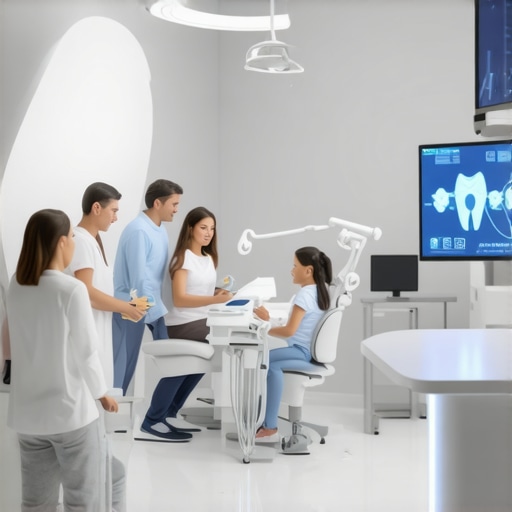
I remember the frustrating moment vividly. My youngest kid was nibbling on his snack, and I noticed that his smile looked a bit different—something just didn’t sit right. A quick glance revealed a tiny, suspicious brown spot, but by the time I scheduled an appointment, the cavity had already formed deeper. It hit me then—how many subtle signs did I miss? And what if, instead of catching this early, I had to face a more invasive, costly treatment later?
Why Detecting Cavities Faster Matters More Than Ever
In the past, catching cavities relied heavily on traditional X-rays and manual examinations—methods that, while effective, often miss early signals. Now, imagine a technology so advanced that it can spot cavities three times faster than current methods, giving families the upper hand in maintaining oral health. That’s precisely what the latest AI advancements projected for 2026 promise to deliver.
Early detection isn’t just about avoiding discomfort; it’s about preventing the cascade of problems that come with delayed treatment—pain, increased costs, and more complex procedures. Think of it as transforming family dentistry from reactive to proactive, kind of like having a digital dental nurse alerting you the moment a tiny cavity begins to develop.
Supporting this leap forward, recent studies indicate that AI-powered diagnostic tools can identify minute decay signs previously invisible to the human eye or conventional scans, potentially reducing the need for more invasive procedures down the line. For example, a 2024 research paper highlighted that AI diagnostics improved early cavity detection rates by over 50% in certain dental practices, paving the way for a healthier, cavity-free future for families.
But as optimistic as this sounds, skeptics often ask, “Does AI really make that big a difference?” Or, more critically, “Is it worth investing in such cutting-edge tech?” Honestly, I was initially wary myself. Early on, I made the mistake of assuming traditional methods were enough, but missing early signs led to more extensive treatments—something I absolutely wanted to avoid for my family.
If you’ve ever worried about whether a small dark spot on your child’s tooth is anything to be concerned about—or if you’ve faced unexpected dental surprises—you’re not alone. The good news is, innovations in family dentistry, powered by AI, are poised to revolutionize how we safeguard our loved ones’ smiles.
Will This Tech Actually Change Your Dental Visits?
Stay tuned. Next, I’ll share practical insights into how these advancements work and how you can prepare to benefit from them during your upcoming family dental checkups. Trust me—taking a proactive approach now can save your family time, money, and unnecessary pain later. And if you’re curious about the latest trends in [family dentistry](https://familydentistpro.com/family-dentistry-trends-improving-oral-health-for-all-ages), I’ve got you covered.
Schedule Regular, Preventive Checkups
The foundation of proactive family dentistry starts with consistent visits—ideally every six months. When I took my kids for their routine exams, I made it a non-negotiable part of our calendar, similar to family dinners. These appointments allow your dentist to catch early signs of cavities or other issues with tools like AI-enabled scans, which detect decay faster than traditional X-rays.
Master Daily Oral Hygiene Routines
Establish straightforward habits like brushing twice a day and flossing daily. I use a timer app to ensure my kids brush for two minutes, making it a fun challenge. Modern electric toothbrushes with smart timers, when combined with proper technique, can remove plaque more effectively. Consistent brushing reduces the risk of cavities and strengthens teeth, aligning with the latest oral health tips for families.
Adopt Smart Dental Technologies at Home
Invest in tools that complement professional care—such as bio-compatible crowns or advanced whitening kits—recommended by your family dentist. For example, I recently tried a bio-ceramic crown from a reputable provider to restore a chipped tooth; the process was seamless, and maintenance is simple. Using bio-compatible materials minimizes risk of sensitivity and allergies, ensuring a long-lasting solution for your child’s smile.
Be Mindful of Dietary Choices
Limit sugary snacks and drinks, opting instead for teeth-friendly alternatives like cheese or crunchy vegetables. I remember switching my kids from juice to infused water after noticing early signs of enamel erosion. Supporting this change, I checked out top oral health tips online, which emphasized reducing acid and sugar intake to prevent decay and cavities—critical in maintaining healthy teeth over time.
Utilize AI and Modern Diagnostics
Discuss with your family dentist about integrating AI-based diagnostic tools during visits. These technologies can identify tiny, early decay signs invisible to the naked eye, allowing interventions before cavities worsen. During our last checkup, the dentist used an AI scan to detect a small lesion, so it was treated with a quick filling instead of a root canal later. Staying informed about such advancements can significantly improve your family’s oral health outcomes.
Many people assume they know everything about procedures like Invisalign, crowns, or family dentistry, but in reality, there are subtle nuances that often get overlooked. For instance, a prevalent myth is that all dental crowns are equally durable; however, the choice of material can significantly impact longevity and compatibility, especially with bio-technology advancements like bio-ceramic crowns—more info is available on [why crowns are a game-changer](https://familydentistpro.com/why-crowns-are-a-game-changer-in-restorative-dentistry). Another misconception is that Invisalign is just about aesthetics, but modern aligners incorporate smart technology for better tracking, which reduces treatment time—discover more in [how Invisalign transforms family dentistry in 2025](https://familydentistpro.com/how-invisalign-transforms-family-dentistry-in-2025).
A common pitfall in family dentistry is neglecting the importance of preventive care; many parents wait until issues are painful before visiting the dentist. Yet, proactive check-ups with AI diagnostics can detect decay early, transforming your family’s oral health strategy. This approach aligns with the latest [family dentistry trends](https://familydentistpro.com/family-dentistry-trends-improving-oral-health-for-all-ages).
Digging deeper, one overlooked aspect is the impact of dietary choices on dental restorations. For example, acidic fruits and sugary drinks can compromise crowns or veneers faster than you think. Being aware of this helps ensure your restorations last longer, as highlighted in [top oral health tips for families](https://familydentistpro.com/top-oral-health-tips-for-your-familys-bright-smiles).
Furthermore, advanced dentistry involves understanding the specifics of materials used; zirconia crowns, for example, are known for their strength, but their translucency benefits aesthetic zones—details that can influence your child’s treatment plan. Expert insights recommend choosing the right crown match for both functionality and appearance, see [choosing the right crown](https://familydentistpro.com/choosing-the-right-crown-expert-advice-for-long-lasting-results).
Beware of the trap where patients believe doing the minimum maintenance suffices. Regular flossing, brushing, and professional inspections are vital, and modern tools like smart electric toothbrushes make maintaining oral health easier. Don’t forget to explore [pro tips to optimize your dental routine in 2026](https://familydentistpro.com/5-pro-tips-to-stop-invisalign-tray-rubbing-and-pain-2026).
Ultimately, understanding these nuances allows you to make smarter decisions about your family’s dental health, beyond the basic assumptions. Stay informed, ask the right questions, and collaborate with your dentist about emerging technologies and materials. Have you ever fallen into this trap? Let me know in the comments.
Keeping Your Dental Equipment in Top Shape for Lasting Results
Ensuring your dental tools and routines stay effective over time is crucial for maintaining oral health. Personally, I rely on a combination of high-quality electric toothbrushes equipped with smart sensors and AI-driven apps that monitor brushing habits. For example, the Oral-B iO series uses toothpaste flow sensors and app integration to give real-time feedback, which I find invaluable for my family’s daily routines.
To stay ahead, I also recommend investing in ultrasonic flossers like the Waterpik Sonic-Fusion. These devices combine flossing with brushing, delivering superior plaque removal while encouraging consistency. Regularly replacing brush heads and flossing tips, as recommended by your dentist, ensures maximum hygiene and effectiveness.
What steps can you take to maintain your dental tools and routines over time?
Routine maintenance is simple but often overlooked. For your electric toothbrush, I suggest replacing the brush head every three months—this prevents bacteria buildup and keeps cleaning abrasive. Keep the device clean by rinsing it thoroughly after each use and storing it in a dry place to prevent mold.
Modern technology’s role in dental health isn’t stopping there. The advent of bio-compatible crowns and AI-assisted diagnostics predicts a future where maintaining your dental investments becomes more automated and precise. As research continues, I expect these tools to evolve further, providing even better long-term outcomes.
Another evolving trend is virtual monitoring tools that sync with your dental care providers. These systems can alert you when routine check-ins are due or if your oral health shows signs of deterioration, making preventive care more accessible and personalized.
If you want to be proactive, try integrating a smart flossing device into your routine. It might seem like a small step, but consistent use of these advanced tools can significantly impact your long-term oral health. For additional insights into how technology benefits family dentistry, I recommend reviewing the latest family dentistry trends.
Prolonged effectiveness of dental tools depends on proper care, like regular cleaning and timely replacement—simple practices that make a difference.
The Hardest Lesson I Learned About Family Dentistry and Dental Technology
One of the biggest surprises was realizing how much I underestimated the power of early detection. Relying solely on traditional exams delayed the spotting of cavities, leading me to wish I had embraced AI diagnostics sooner. That lightbulb moment transformed my approach, making me prioritize proactive care and continuous learning about emerging technologies. It taught me that trust in innovative tools like AI scans isn’t just about fancy gadgets—it’s about genuine health outcomes and peace of mind.
How I Discovered the Game-Changing Role of Bio-Technology in Restorative Care
Initially, I thought all crowns were created equal, but discovering bio-compatible materials like bio-ceramic crowns opened my eyes to durability and safety. I learned that understanding the materials used in restorations isn’t just technical jargon—it’s vital for long-lasting, healthy smiles, especially for children and sensitive mouths. This insight pushed me to ask my dentist detailed questions and seek out clinics that utilize the latest bio-tech innovations for superior results.
Overlooked Details That Can Make or Break Your Family’s Oral Health
From diet to routine maintenance, small choices add up. I realized that sugary snacks, frequent snacking, and inconsistent brushing are silent enemies. But the real game-changer was adopting smart, AI-supported dental routines at home, like electric toothbrushes with real-time feedback. These tools turned mundane tasks into engaging habits, reducing cavities and fostering confidence. The lesson here? Never underestimate the impact of minor adjustments informed by the latest research and technology.
Curated Gems to Keep Your Family Smiling Brightly
My toolkit includes trusted resources like the latest family dentistry trends, which help me stay ahead of innovations. I also lean on comprehensive guides about bio-ceramic crowns and AI diagnostics from leading dental experts. These insights empower me to make informed decisions, ensuring my family benefits from the best materials, tools, and practices available today.
Empower Your Smile: Take Action Today
Your family’s oral health isn’t just about reacting to problems—it’s about embracing the future of dentistry with confidence. From regular checkups that leverage AI diagnostics to daily routines enhanced by smart technology, every step brings you closer to a future free of cavities and dental surprises. Don’t wait for discomfort—start integrating these innovative practices now. Your smile deserves it, and your family will thank you for the proactive leap.
What’s the one small change you’re willing to make today to improve your family’s oral health? Share your plan below—I’m excited to hear your ideas!