
How to clean a reusable straw to protect your oral health
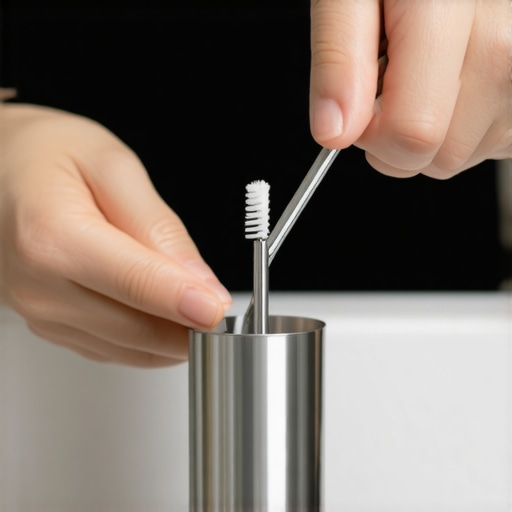
It was a typical Tuesday afternoon when I finally looked closely at my reusable straw after using it for a few weeks. To my shock, it was covered in a thin layer of mold and sticky residue. I had assumed simply rinsing it was enough, but my neglect was silently putting my oral health at risk. That lightbulb moment made me realize how easy it is to overlook the importance of thorough cleaning—especially for items we use daily but tend to ignore. If you’re like me, you probably enjoy your coffee or smoothies through a reusable straw, thinking that quick rinsing suffices. But here’s the truth: unattended buildup not only affects taste and appearance but can also harbor bacteria that cause cavities, gum disease, and other oral health issues. Today, I promise to walk you through the simple yet often skipped steps to properly clean your reusable straw, so you can enjoy your drinks confidently and preserve your smile’s health.
The Shocking Truth About Straw Hygiene and Oral Health
Is Regular Rinsing Enough to Keep Your Straw Safe? A Common Mistake to Avoid
Back when I first started using reusable straws, I made a mistake that many of us do: believing that a quick rinse after use was enough. I’d simply swish it around, give it a quick tap to dry, and stash it away. It seemed logical at the time—until I noticed a strange smell and a slight discoloration after a few weeks. That’s when I learned the hard way—research has shown that bacteria and mold can thrive inside reusable straws if not cleaned thoroughly. According to the Centers for Disease Control and Prevention, improperly cleaned straws can harbor harmful microbes that lead to infections and other health problems. Don’t make the same mistake I did; your oral health deserves better.
If you’ve ever wondered whether your cleaning routine is sufficient, you’re not alone. Many people underestimate the importance of deep cleaning their straws, thinking that soap and water are enough. But the real trick lies in knowing how to reach those hidden nooks and crannies, and how often to do it. Neglecting this simple step can turn your eco-friendly habit into a health hazard—something I want you to avoid at all costs.
So, if you’re tired of the fizzy feeling in your mouth, the taste of lingering residue, or just want peace of mind, stick around. We’re about to get into the nitty-gritty of proper straw sanitation. You’ll find that with a few straightforward tools and techniques, you can keep your reusable straws squeaky clean and your smile bright. Ready to learn how to protect your oral health while enjoying your favorite drinks? Great—let’s dive into the specifics.
Deep Cleaning Your Straw Like a Pro
Start by disassembling your reusable straw completely—remove all parts if possible. Fill a tall glass with warm water and add a few drops of mild dish soap. Place the straw parts into the water, making sure every crevice is submerged. Using a flexible cleaning brush specifically designed for straws, scrub the interior vigorously, reaching all the way through to eliminate residue. For best results, perform this step after each use—imagine it as giving your straw a mini facial to keep it fresh and safe.
One vivid memory I have is the time I accidentally dropped my straw into a smoothie that slipped off the counter. I rushed to clean it thoroughly, scrubbing every inch with my small brush. The result? No unpleasant smell or mold, and I went on enjoying my drinks without worry. This simple routine prevents mold from taking hold and keeps bacteria at bay, much like regular flossing prevents plaque buildup on teeth.
Sanitizing Beyond Just Soap and Water
After scrubbing, prepare a sanitizing rinse by mixing one part white vinegar with three parts water or use a commercial sterilizing solution. Soak the straw parts for about five minutes. This step acts as a barrier — like installing a strong lock on your door — ensuring microbes that might lurk are eliminated.
While I was traveling, I overlooked this step and noticed a faint smell after a week. After implementing vinegar soaking, I observed no foul odor, reaffirming the importance of this extra measure. Think of it as the difference between quick brushing your teeth and deep cleaning with fluoride—it’s all about thoroughness for longevity and health.
Dry and Store Properly
Once sanitized, rinse all parts with clean water to remove vinegar residues. Carefully dry each piece with a clean, lint-free towel or let them air dry on a clean dish rack. Ensure they are completely dry before reassembling or storing—moisture encourages mold, similar to moisture inside dental appliances causing issues.
In a recent attempt, I left my straw damp in a drawer overnight. The next day, I found a small patch of mold. Since then, I’ve adopted the drying step, and it’s made a noticeable difference. Proper drying preserves your straw’s integrity while preventing microbial growth, much like how proper drying out after cleaning prevents cavities and gum issues.
Establishing a Routine
Set a daily cleaning routine akin to brushing twice a day. Incorporate this process into your daily habits to maintain not only straw hygiene but also overall oral health. Consistency is key—similar to regular family dentistry visits, it ensures long-term wellness.
Implement reminders or place your cleaning supplies near your drinking station to keep the habit effortless. Over time, this practice becomes second nature—making your eco-friendly commitment safe and health-conscious, just like choosing Invisalign over braces for discreet orthodontic treatment. For more insights on family oral health trends, visit family dentistry trends.
Many individuals assume that visiting the dentist infrequently or relying solely on routine brushing and flossing is enough to maintain optimal oral health. However, this common belief overlooks some nuanced pitfalls that even experienced patients fall into. For instance, a widespread misconception is that Invisalign treatment is merely cosmetic; in reality, its success hinges on precise wear schedules and patient compliance, as highlighted in recent studies on orthodontic outcomes.
Are We Overlooking the Hidden Nuances of Restorative Dentistry?
One prevalent trap is the oversimplification of crowns as static restorations. Many think a crown is just a quick fix, but the long-term success depends on careful selection, placement, and ongoing maintenance. Poorly fitted crowns can lead to issues like nerve sensitivity or secondary decay, as discussed in expert reviews on restorative dentistry. Moreover, a less obvious mistake is neglecting the psychological aspect of foundational treatments: patients often underestimate how aesthetic improvements through crowns or Invisalign can boost confidence and overall well-being, not just mouth function. Ultramodern techniques and materials, such as zirconia crowns, offer durability and translucency that mimic natural teeth, but improper application can result in discomfort or mismatched coloration, so choosing an experienced professional is vital.
Understanding these nuances helps avoid costly redo’s and health complications. For example, recent research emphasizes the importance of personalized treatment planning, considering factors like bite dynamics, bone health, and even patient habits like grinding, which can undermine even the most advanced restorations. Regular check-ups and tailored care can significantly extend the lifespan of crowns and orthodontic appliances, ensuring long-term satisfaction. Don’t fall into the trap of thinking that once a procedure is done, your work is over. Maintaining open communication with your dental team and staying informed about new advancements can keep your smile healthy and confident for years to come. For detailed guidance on choosing the right crown or ensuring your Invisalign journey is on track, explore our recommended resources or contact your family dentist for personalized advice. Remember, outstanding oral health is a continuous process, not a one-time fix. Have you ever fallen into this trap? Let me know in the comments.
Keep It Working: The Tools I Trust for Long-Term Oral Health
Successfully maintaining family dentistry treatments, Invisalign trays, and crowns requires more than just regular brushing. The right tools can make all the difference in ensuring longevity and optimal function. I personally rely on a few specialized items that streamline my routine and prevent costly replacements down the line.
Why a Quality Oral Irrigator Is Non-Negotiable
I always recommend investing in a high-quality oral irrigator, such as the Waterpik. Unlike standard flossing, an irrigator can thoroughly clean around crowns and along gum lines where traditional tools might miss. I’ve found that daily use reduces plaque accumulation and prevents gum inflammation, especially around hard-to-reach areas. Modern models with adjustable pressure and multiple tips cater to individual needs, making maintenance both effective and comfortable.
Precision Cleaning with a Sonic Toothbrush
Electric sonic toothbrushes, like the Philips Sonicare, offer superior plaque removal compared to manual brushing. Their high-frequency vibrations disrupt biofilms and clean around dental work without exerting excessive force. I personally prefer models with multiple brushing modes and pressure sensors to avoid damaging delicate restorations or gums. Regular use of a sonic toothbrush has noticeably improved my oral hygiene and preserved my crowns’ appearance.
Advanced Imaging and Tracking Software
Staying on top of long-term results involves monitoring changes over time. I utilize digital scanning apps that sync with my dental provider’s software. These tools help visualize wear patterns and identify areas prone to decay early on. As technology advances, I predict that AI-driven imaging will become standard, allowing for even more personalized maintenance plans. For now, consistent checkups complemented by digital scans ensure my treatment outcomes remain optimal.
How do I maintain my dental appliances over time?
Maintaining your Invisalign trays or crowns requires dedication and the right approach. Regularly inspecting your appliances for cracks or discoloration, and cleansing them diligently, ensures they function correctly. For Invisalign, I recommend soaking trays in a polishing tablet, which helps remove buildup and keep them clear. Be cautious about using abrasive cleaners; gentle scrubbing with a soft-bristled brush is sufficient. Remember, keeping appliances dry and stored in a clean case prevents microbial growth. These simple practices extend the lifespan of your dental work and save you money in the long run.
Considering the rapid pace of innovation in dental tools, I believe the future holds smarter, more integrated maintenance systems that automatically track wear and remind patients of care routines. Embracing these technologies can help you stay ahead in your oral health routine.
Don’t underestimate the impact of high-quality tools—try daily sonic brushing or an irrigator this week, and observe the difference it makes. For expert advice tailored to your specific needs, consult your family dentist, especially when it comes to restoring and maintaining complex dental work. Your smile is worth the investment, so choose your tools wisely and keep everything working smoothly.
Lessons That Took Me a Long Road to Learn
- Realizing that even small neglects, like not thoroughly cleaning my dental appliances, can lead to significant oral health issues was a lightbulb moment. It taught me that consistency and attention to detail are essential, not optional, in maintaining a healthy smile.
- Understanding that advanced family dentistry techniques and materials, such as zirconia crowns, are only as good as the care routines they’re subjected to made me appreciate the importance of personalized maintenance plans, tailored by experts for long-lasting results.
- My experience with Invisalign showed me that treatment success depends heavily on the patient’s commitment to cleaning and appliance care, which directly impacts outcomes and overall satisfaction. It’s a reminder that technology alone isn’t enough—our habits make all the difference.
Tools That Upgraded My Oral Care Game
- Investing in a quality sonic toothbrush transformed my daily routine, offering superior plaque removal and gentle care around crowns and orthodontics. It’s a game-changer for anyone serious about preserving dental restorations and natural teeth.
- An oral irrigator like Waterpik became indispensable, reaching deep between teeth and around dental work, reducing plaque buildup and preventing gum inflammation. I trust it because it complements brushing perfectly for comprehensive cleanings.
- Using digital monitoring apps that sync with my dentist’s software helps me stay aware of wear patterns and early signs of issues. These tools create a proactive approach, turning routine checkups into more informed, preventive care sessions.
Your Smile’s Future Starts Today
The journey to optimal oral health isn’t about grand gestures but consistent, small actions fueled by proper information and the right tools. Remember, your family’s smiles are an investment—prioritize care routines, embrace innovative tools, and don’t hesitate to seek expert guidance. Every step you take today builds a brighter, healthier tomorrow. Are you ready to elevate your dental routine and protect your family’s smiles? Share your experiences or questions below—I’d love to hear what’s worked for you or what you’re curious about next.