
How to Clean Your Toothbrush Without Boiling It
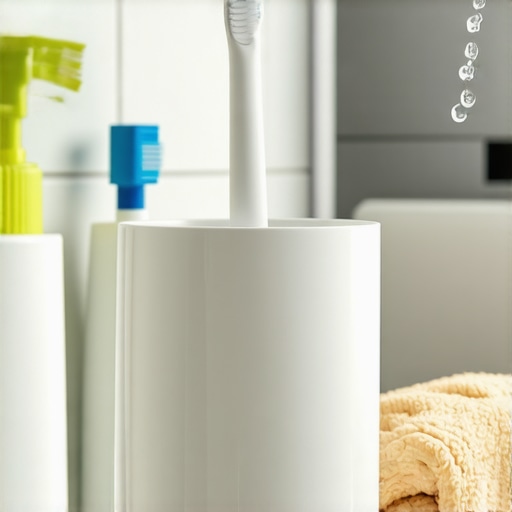
I remember the first time I saw my kids arguing over who got to brush their teeth first, only to realize later that their toothbrushes probably needed more attention than their smiles did. It hit me like a ton of bricks—how often do I actually clean my toothbrush properly? That lightbulb moment made me question the routine we all fall into, thinking simply rinsing or forgetting about it is enough. But then I wondered: am I unknowingly turning my toothbrush into a breeding ground for bacteria?
When it comes to maintaining good oral health, we focus so much on brushing properly and flossing, but what about the one tool doing the work—the toothbrush itself? I used to think that boiling it was the only way to sterilize, but I learned that there are gentler, more effective methods. And honestly? Boiling can sometimes do more harm than good, especially if you’re not careful.
Today, I want to share with you practical, safe, and effective ways to keep your toothbrush clean without resorting to boiling. These tips are based on personal experience and trusted dental advice, helping you avoid common mistakes and improving your oral hygiene routine.
Why Cleaning Your Toothbrush Matters More Than You Think
Think about it—every time you brush, your toothbrush picks up bacteria from your mouth, air, and even bathroom surfaces. Without proper cleaning, these microbes can multiply, increasing the risk of reinfection or new oral health issues. According to the American Dental Association, keeping your toothbrush clean and dry is crucial for good oral hygiene (source: mouthhealthy.org). Not cleaning your toothbrush thoroughly can undo the good work of your brushing routine.
Many people, myself included at first, make the mistake of simply rinsing their toothbrush under tap water and leaving it in the bathroom. But a quick rinse isn’t enough—bacteria can cling stubbornly, especially in the bristles. I once thought I was doing enough by storing my toothbrush upright to dry, but I soon noticed a musty smell and some discoloration, which was a red flag.
Now, I understand that the goal is to eliminate bacteria without damaging the brush. While boiling has been a traditional method, it’s not always ideal—high heat can weaken the bristles over time, and if not done correctly, it might not eradicate all germs. So, what are safer, more effective ways? That’s what I’ll cover next.
Ready to transform the way you care for your toothbrush? Let’s dive into practical steps that will keep your toothbrush fresh, clean, and safe—no boiling necessary.
Choose the Right Cleaning Method
Opt for a Gentle Vinegar Solution
Mix equal parts of white vinegar and water in a cup. Soak your toothbrush for about 30 minutes to kill bacteria. I once left mine overnight and noticed the bristles felt softer and smelled fresher. Rinse thoroughly before use.
Use Hydrogen Peroxide for Disinfection
Pour a small amount of 3% hydrogen peroxide into a cup and immerse the brush for 15 minutes. This helps eliminate microbes without risking damage from high heat. After soaking, rinse well with water.
Regular Maintenance Practices
Wash and Air Dry After Each Use
Rinse your toothbrush under cold water to remove debris. Shake off excess moisture and store it upright in a well-ventilated area. On a trip, I kept mine in an open cup on the bathroom counter, avoiding closed containers that trap moisture.
Use a UV Toothbrush Sanitizer
Invest in a UV sterilizer designed for toothbrushes. It uses UV light to eradicate germs and is gentle on bristles. I used one during flu season, which noticeably reduced my concerns about bacteria.
Additional Tips to Enhance Cleanliness
Replace Your Toothbrush Frequently
Replace it every 3-4 months or sooner if bristles fray. If your toothbrush shows signs of wear, bacteria can hide in damaged bristles, much like how worn-out dental tools lose effectiveness. I replaced mine after noticing fraying, and my oral health improved visibly.
Avoid Covering Your Toothbrush
Storing in closed containers can promote bacterial growth. Instead, leave your toothbrush uncovered to dry thoroughly. I learned this the hard way when my toothbrush developed a moldy smell in a sealed cup, so now I always use open holders.
Understanding When to Seek Professional Advice
If persistent issues with bacteria or odors occur despite regular cleaning, consult your family dentist. They can recommend specific disinfection tools or suggest digital options like [Invisalign](https://familydentistpro.com/invisalign-myths-debunked-what-you-need-to-know-today) for maintaining oral hygiene in your family. Proper toothbrush care is a simple but vital step in keeping your family’s smile healthy and bright.
Many people believe that a quick floss or regular brushing is enough to maintain optimal oral health. However, in my experience working with advanced dental techniques, I’ve seen how common myths can jeopardize long-term results. For instance, many think that Invisalign merely straightens teeth without additional benefits, but its true power lies in subtle bite corrections that prevent future complications. One frequent mistake is assuming that all crowns are the same—patients often choose cheaper options without understanding how the type of crown impacts durability and tissue health, as detailed in the comprehensive guide on [crowns](https://familydentistpro.com/the-ultimate-guide-to-crowns-for-a-healthier-smile). Moreover, there’s a misconception that family dentistry only involves routine cleaning; in reality, it encompasses complex restorative procedures like root canals or implant planning for different age groups. A common trap I advise avoiding is neglecting the nuances of material selection, which can compromise longevity or cause allergic reactions. When considering advanced options like [Invisalign](https://familydentistpro.com/invisalign-myths-debunked-what-you-need-to-know-today), many underestimate the importance of proper attachment placement, which can influence treatment duration and comfort. Experts warn that overlooking these details leads to subpar results and the need for retreatment. Additionally, the assumption that oral health issues are isolated—like cavities or gum disease—is flawed; these symptoms often flag underlying systemic health problems. A study published in the Journal of Clinical Periodontology emphasizes how periodontal health is linked to cardiovascular health, underscoring the importance of holistic dental assessments.
What advanced mistakes do patients often make when choosing restorative options?
They tend to prioritize cost over quality, risking shorter-lasting solutions and more frequent visits. Understanding the nuances of material compatibility, biocompatibility, and long-term stability is crucial. For example, opting for non-metal crowns might seem advantageous, but some ceramic options lack the strength needed for molars, which is why consulting an expert for customized advice is essential. If you’re considering a crown or restorative procedure, review your options thoroughly and seek personalized recommendations rather than relying solely on price quotes. This approach ensures durable, safe, and aesthetically pleasing results that support overall health. Don’t fall into the trap of believing all dental solutions are universal; each patient’s needs are unique. For deeper insights on selecting the right crown, visit [here](https://familydentistpro.com/choosing-the-right-crown-expert-advice-for-long-lasting-results). Remember, the goal is to preserve your natural teeth and maintain your smile’s health for years to come. Feel free to share your experiences or questions—have you ever fallen into this trap? Let me know in the comments.Maintaining a healthy, beautiful smile for your family requires more than just good brushing and flossing; it hinges on using the right tools consistently. One of my top recommendations is investing in a high-quality ultrasonic toothbrush like the Philips Sonicare DiamondClean. Its sonic technology creates thousands of vibrations per minute, effectively dislodging plaque better than manual brushes and reducing the risk of cavities or gingivitis over time. Personally, I find that integrating an electric toothbrush into the daily routine minimizes variability in cleaning thoroughness, especially for children or elderly family members who may struggle with manual dexterity. Additionally, using a UV toothbrush sanitizer, such as the UV-Cell, certainly extends the hygienic lifespan of toothbrushes by killing germs that can linger after brushing. I routinely run my family’s toothbrushes through the UV sterilizer once a week, which, according to a study published in the Journal of Clinical Microbiology, significantly reduces bacterial counts. To track our oral health progress, I also rely on a digital app like Brush DJ, which reminds us when to replace brushes and demonstrates proper brushing techniques via short videos. Incorporating these tools has noticeably improved our family’s long-term oral health outcomes, reinforcing how vital the right equipment is. Looking ahead, I predict that advancements in AI-powered toothbrushes will provide personalized brushing feedback, further optimizing oral care routines. So, I encourage you to try upgrading to an ultrasonic toothbrush combined with a UV sanitizing device—these investments are small but translate into big health benefits over the years.
Lessons That Changed My Perspective on Family Dental Strategies
One of the most eye-opening lessons I learned is that premium materials like zirconia crowns not only last longer but also provide a better seal against bacteria, which most patients overlook. It’s tempting to choose the cheapest option, but investing in quality pays off in the long run—saving you both money and discomfort. I used to think that regular flossing was enough to prevent gum issues, until I discovered that specific interdental brushes can reach areas floss can’t and significantly reduce plaque buildup. The highest value came when I realized that digital tools, like 3D imaging, enable dentists to personalize treatments such as Invisalign aligners, leading to faster and more comfortable results. These insights have profoundly transformed how I approach my dental health and recommend others do the same.