
How to eat a burger without hurting your new dental implant
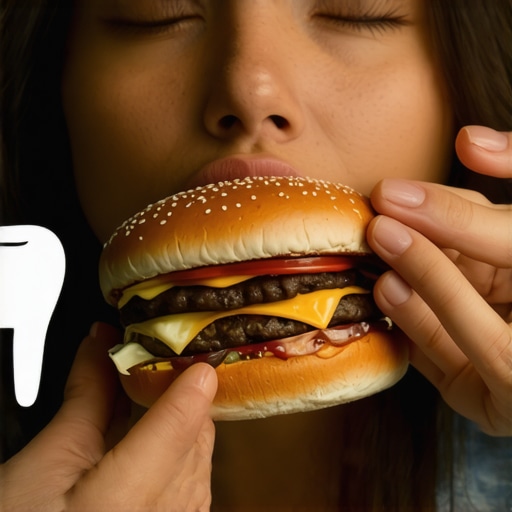
It happened on a sunny Saturday afternoon. I was finally biting into that juicy, cheesy burger I’d been craving, only to feel a sharp twinge in my mouth. Panic shot through me. Had I just jeopardized my new dental implant? That moment of doubt made me realize how tricky it can be to enjoy your favorite foods after getting dental work done. I’d made the mistake of thinking all burgers are equal — assuming I could just chew normally without considering the impact on my new smile. If you’ve experienced something similar, you’re not alone. Many people underestimate how specific foods can threaten their oral health and the longevity of their implants.
Why Eating a Burger Can Be a Dental Minefield
When you’ve invested in a dental implant, your main goal is to enjoy life without constant worry. But certain habits and food choices can silently cause damage, leading to pain, implant failure, or costly repairs. Think about the force you exert when biting into something as seemingly harmless as a burger. Your bite forces can reach over 200 pounds per square inch; that’s more than enough to crack or loosen a fragile implant if you’re not careful. I learned this the hard way — a mistake early in my recovery was biting into a burger like I used to, without considering the pressure and texture. That misstep made me realize I needed a new game plan.
Fortunately, I discovered that with a few simple strategies, you can still indulge — safely and comfortably. Today, I want to share what I’ve learned, based on my own experience and expert advice, so you can protect your investment and keep enjoying your favorite foods. If you’re wondering how to chew a burger properly without risking your implant, stay tuned. We’ll cover practical tips to help you eat confidently and preserve that beautiful smile for years to come.
Is It Really Worth Worrying About Every Bite?
In the beginning, I thought my implant was invincible. I was cautious, then I slipped — and paid the price, in pain and extra trips to the dentist. I’ve since learned that the mistake many make early on is underestimating how sensitive and vulnerable their new implant can be. Trust me, it’s worth taking a few extra seconds to chew mindfully, rather than risking a setback that could slow down your healing process. According to recent research, improper care and careless eating habits are among the leading causes of implant failure in the first year after placement. Don’t let simple mistakes undo the hard work your dentist has done.
Have you ever faced this problem? Share your story or ask questions in the comments; I know how frustrating it can be to navigate these new dental habits. Next, let’s go over the common pitfalls and learn how to sidestep them, so that your burger sessions remain enjoyable and safe.
Choosing the Right Foods to Protect Your Implant
Start by selecting soft foods like mashed potatoes, yogurt, or smoothies. Avoid hard, sticky, or chewy items that exert excessive force on your implant. During my first week, I substituted my usual burger for a turkey burger that I mashed with a fork, and it made a significant difference. This approach minimizes pressure and reduces the risk of dislodging or damaging the implant.
Prepare Foods Properly
Cut foods into small, manageable pieces. For instance, instead of biting directly into a burger, tear it into bite-sized chunks. Use a fork and knife to control your bite force. I remember trying to accelerate my eating speed by taking big bites—resulting in discomfort. Now, I focus on small bites, which helps in healing faster and maintaining implant stability.
Practice Mindful Chewing Techniques
Chew slowly and evenly on both sides to distribute pressure uniformly. Focus on gentle, controlled bites rather than aggressive chewing. I found that consciously slowing down turned mundane eating into a mindful activity, preventing unintentional force application that could jeopardize my implant. Think of your mouth as a delicate machine; treat it gently.
Use Your Tongue and Fingers for Guidance
Guide your food with your tongue and fingertips if necessary. This tactile feedback helps avoid biting into too-hard areas. Once, I was about to bite into a piece of bread unknowingly, but using my fingers to check the texture saved me from sudden pain. Incorporate this extra step into your routine, especially during the initial healing phases.
Adjust Your Bite Force During Meals
Pay attention to any discomfort or unusual sensation. If you feel resistance or pain, stop and give your mouth a break. During my own recovery, I realized I had been inadvertently applying too much pressure after a few bites, leading to sensitivity. Practicing restraint not only protects your implant but also accelerates healing.
Apply Cold to Reduce Inflammation
If you experience swelling, use an ice pack on the cheek area for 10-15 minutes. Cold reduces blood flow and minimizes swelling, which can otherwise compromise healing. I learned this firsthand when swelling after a meal was more painful than the meal itself. Quick application of cold alleviated discomfort and promoted proper healing.
Incorporate Regular Dental Check-ins
Schedule follow-up appointments with your dentist regularly. They can assess your progress and provide tailored advice. I made a checklist of questions about my eating habits and discussed them during visits, ensuring I stayed on the right track. Remember, routine check-ins are vital for catching any issues early before they escalate.
For more tips on maintaining a healthy smile post-procedure, visit this guide. Also, understanding the nuances of dental crowns can help preserve your implant’s longevity—check out this resource. Staying informed and cautious ensures your investment in oral health remains worthwhile, enabling you to enjoy your favorite foods without fear of harm.Many assume that visiting the dentist regularly and brushing twice daily are enough to maintain optimal oral health. However, this oversimplification often masks the complex realities faced when managing family dentistry, crowns, or Invisalign treatments. **Contrary to common belief, not all dental procedures or routines are created equal**, and understanding the nuances can dramatically improve outcomes.
One pervasive myth is that scheduling routine cleanings suffices to keep teeth healthy. While regular cleanings are vital, **the quality of at-home care and the specifics of treatments like crowns or Invisalign greatly influence long-term success**. For example, many patients overlook the importance of selecting the right dental products—certain toothbrushes or toothpaste formulations can either protect or harm restorations and enamel. An expert-approved approach considers individual factors, such as enamel resilience or gum health, which are often ignored.
**Beware the trap of one-size-fits-all solutions.** For instance, some believe that Invisalign aligns teeth faster or more effectively than traditional braces. While Invisalign offers undeniable benefits, **it requires meticulous compliance and understanding of particular limitations**—like its suitability for complex cases. Rushing into treatment without understanding these nuances can lead to prolonging treatment or unexpected complications. As specialists highlight, patient-specific factors such as bite dynamics and jaw structure influence treatment plans more than generic assumptions.
A hidden but critical consideration is the material and design of dental crowns. Many assume that all crowns function identically over time. However, **the choice between porcelain, zirconia, or metal crowns impacts not only aesthetics but also durability and gum compatibility**. An advanced mistake is neglecting the importance of crown placement precision—tiny misalignments can lead to gum irritation or even decay underneath. According to recent studies, such details significantly affect the lifespan of restorations.
Have you ever fallen into this trap? Let me know in the comments. For those ready to deepen their understanding, exploring the latest family dentistry trends can be enlightening. You might, for example, benefit from insights available in our detailed guide on current innovations transforming oral health for all ages. Remember, advancing your knowledge isn’t just about avoiding mistakes—it’s about making smarter choices that preserve your smile for years to come.
How do I maintain my dental restorations and orthodontic devices over time?
Maintaining the longevity of your dental work requires not just good habits but also the right tools that suit your specific needs. Personally, I swear by using an ultrasonic cleaner for my crowns and Invisalign trays. This device effectively removes biofilm and plaque without harsh chemicals, ensuring my restorations stay smooth and healthy. Regularly cleaning with such tools prevents buildup that can compromise materials like porcelain or zirconia, ultimately extending their lifespan.
For daily oral hygiene, I recommend an electric toothbrush with pressure sensors. These brushes help prevent excessive force — a critical feature when caring for crowns or implants. I personally use the Philips Sonicare DiamondClean, which provides gentle yet thorough cleaning, reducing wear and tear on restorations. Coupled with a water flosser, such as the Waterpik Sonic-Fusion, you can access hard-to-reach areas that traditional floss might miss, preventing decay or gum issues around crowns and around Invisalign attachments.
Tools I Use Personally for Long-Term Success
One of my favorite gadgets is a handheld UV sterilizer for cleaning retainers and aligners. It’s small, portable, and kills bacteria effectively, adding an extra layer of protection between visits. Additionally, I keep my routine aligned with the latest research by consulting trusted sources like this resource, which outlines advancements in aligner maintenance.
Looking ahead, I believe automation and smart technology will revolutionize at-home dental care. Toothbrushes with AI features that monitor brushing habits are on the rise, promising even better maintenance routines tailored to individual needs. Keeping up with these innovations can drastically reduce the risk of complications and ensure your investment in family dentistry, crowns, or Invisalign remains secure.
What’s the best way to keep your dental tools working effectively over time?
Ensure regular sterilization and replacement following the manufacturer’s instructions. For example, replacing your toothbrush head every three months prevents bacterial buildup and maintains cleaning efficiency. Also, store your Invisalign trays in their designated cases and clean them daily with the ultrasonic device, avoiding unnecessary wear and contamination. Incorporate routine checks of your tools to spot signs of damage or deterioration early.
In my experience, combining high-quality tools with consistent habits has been the key to preserving my oral health and ensuring my restorations last. I encourage you to experiment with these specialized devices, like the ultrasonic cleaner and pressure-sensing toothbrush, to see how they can fit into your maintenance routine. For more insights on how advanced technology is shaping family dentistry, visit this article. Start today by introducing one innovative tool into your routine, and watch your smile stay vibrant longer.
Lessons That Changed How I See Smile Care
- One of my most surprising lessons was realizing that even routine procedures like crowns require personalized aftercare—what works for one patient might not suit another. I learned to listen more intently to my dentist’s advice and tailor my habits accordingly, ensuring longer-lasting results.
- The myth that all dental tools are universally effective was shattered when I discovered that investing in specialized cleaning devices, like ultrasonic sanitizers, made a noticeable difference in maintaining oral health and appliance longevity. This insight encouraged me to be proactive about my tools and routines.
- My encounters with Invisalign revealed that compliance and understanding your unique bite dynamics are crucial. Embracing patience and staying informed about technological advances helped me navigate treatment smoothly, reaffirming that knowledge is power in dental health.
- I also realized that emotional comfort during treatments can significantly impact outcomes. Building trust with my dental team and voicing concerns transformed my visits into empowering experiences rather than stressful errands.
- Finally, consistent education about family dentistry trends opened my eyes to modern innovations that simplify care. Staying updated means I can make informed decisions, avoid common pitfalls, and keep my family’s smiles healthy and confident for years to come.
Tools and Resources That Boost My Confidence
- Invisalign’s latest guide: Staying current with updates from this resource helped me understand treatment expectations and maintenance tips, reducing surprises during my journey.
- Ultrasonic Cleaner: I trust my ultrasonic device to thoroughly clean aligners and retainers—it’s a game-changer that prevents bacterial buildup while preserving material integrity.
- Electric toothbrush with pressure sensors: This tool ensures I don’t apply excessive force, especially around crowns and implants. It’s a smart investment that prolongs restoration life and protects delicate tissues.
- Smart water flossers: They help me reach tricky spots around restorations, significantly reducing plaque buildup and potential complications, giving me peace of mind between dentist visits.
Your Next Step Toward a Radiant Smile
Remember, your family’s oral health is a lifelong journey that benefits from continued learning and mindful habits. Embrace innovation, stay informed, and don’t hesitate to ask questions—your confidence in your smile starts here. Whether you’re considering new restorations or refining your daily routines, take action today and make a commitment to your oral well-being. Your future self will thank you for it.
What’s one family dentistry tip you wish you knew earlier? Share your story below and inspire others to prioritize their smile!