
How to fix a loose bracket on your braces over the weekend
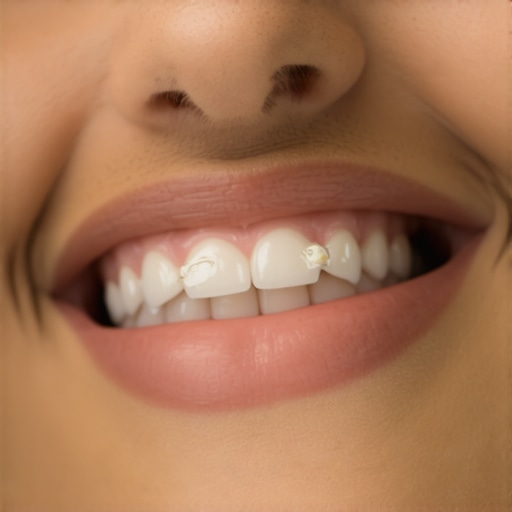
Ever had that unsettling moment when you feel a tiny, wiggly bracket on your braces while you’re in the middle of your day? Or perhaps you noticed it last night and instinctively reached for your phone, worrying about how to fix it before your next dental appointment. I remember the first time I experienced this; it was frustrating and a little alarming. The thought of running to the dentist middle of a busy weekend seemed overwhelming, and honestly, I wondered if I could handle it myself. That lightbulb moment made me realize—sometimes, a little knowledge and a few supplies are all you need to troubleshoot these pesky orthodontic issues over the weekend.
Don’t Let a Loose Bracket Ruin Your Weekend — Here’s How to Fix It
Braces are incredible at transforming smiles, but they don’t come without their share of annoyances—like a wobbly bracket or a loose band. The good news? With some basic tools and a bit of patience, you can often resolve minor issues without a trip to the orthodontist. Today, I’ll walk you through step-by-step techniques that I’ve tested myself, ensuring you’re well-equipped to handle such situations during your weekend. Plus, I’ll share some common mistakes to avoid, so you don’t cause more harm than good.
Is Fixing a Loose Bracket Actually Worth the Effort?
Before diving in, let’s address the skepticism many folks have. How effective can a DIY fix really be? Honestly, I’ve made the mistake early on of trying to glue a loose bracket back with superglue—I quickly learned that it was a terrible idea. Not only did it make it harder for my orthodontist to fix later, but it also caused some discomfort. The key is knowing what you can fix safely and when to seek professional help. Remember, a gentle touch and the right tools make all the difference. If you’re curious about optimal orthodontic care, family dentistry experts often recommend professional adjustments, but for minor, non-painful issues, a DIY fix can buy you time and comfort until your appointment. Want to learn more about the benefits of modern orthodontic solutions? Check out [the benefits of Invisalign](https://familydentistpro.com/the-hidden-benefits-of-invisalign-for-family-dental-care-in-2025-at-903-am), which offer a discreet alternative to traditional braces.
So, if you’ve faced that dreaded loose bracket and wondered if you could just handle it yourself, you’re not alone—and the answer is yes, with some precautions. Let’s get started on how to take care of it safely over your weekend.
,
Gather Your Tools and Prepare for Action
First, assemble the necessary supplies: sterilized tweezers, dental wax, orthodontic floss, a small spoon or instrument to lift the bracket, and a good light source. Avoid using superglue or other household adhesives—these can cause more harm than good.
Assess the Situation Carefully
Examine the loose bracket to determine if it’s still attached and whether any other components are damaged. If the bracket appears to be completely detached or causes pain, it’s best to contact your dentist immediately via our contact page for guidance. For minor detachments, proceed cautiously.
Clean and Sterilize the Area
Use a clean, damp toothbrush or gauze to remove any food debris or plaque around the bracket. Keeping the area sterile minimizes the risk of irritation or infection, much like disinfecting a wound before treating it.
Reposition the Bracket with Dental Wax
If the bracket is still attached but loose, gently reposition it back onto the tooth’s surface using sterilized tweezers. If it’s completely detached, temporarily secure it to the tooth using a small piece of orthodontic wax, which you can find at most pharmacies. This acts like a temporary cushion, much like padding a fragile object.
Secure the Bracket in Place
Once repositioned, place a tiny drop of dental cement or orthodontic wax to stabilize it. Be gentle—overly tight pressure can damage enamel or the bracket. This step is akin to fixing a loose puzzle piece without forcing it, ensuring it sits snugly until professional help is available.
Tip: Avoid Common Mistakes
Never try to glue or use household adhesives on your brackets; superglue is very harmful and can complicate future repairs. Also, don’t attempt to cut your brackets or bands; this could damage your teeth or wires. Instead, focus on temporary fixes and plan for a professional check-up.
Manage Discomfort and Protect Your Mouth
If the loose bracket causes irritation, apply orthodontic wax directly over it. Rinse your mouth with warm salt water to reduce swelling, mimicking how you’d treat a sore or cut. Avoid hard or sticky foods that could worsen the issue, treating your mouth gently until a dental appointment is possible.
Schedule a Dental Visit Promptly
Even if the problem seems resolved, schedule an appointment with a family dentist soon to ensure everything is stable. Regular check-ups help maintain oral health and prevent minor issues from becoming major complications. For updates on modern family dentistry innovations, visit our latest trends.
While many believe they understand the basics of crowns, family dentistry, and Invisalign, there’s often a deeper layer of nuances that can make a significant difference in treatment outcomes and oral health. Contrary to popular myths, not all dental solutions are suitable for every individual, and overlooking these subtleties can lead to costly mistakes or extended treatment times.
One common misconception is that porcelain crowns are indestructible; in reality, many overlook their susceptibility to chipping if not properly fabricated or maintained. Experts advise choosing a crown material tailored to your specific bite and lifestyle, which underscores the importance of consulting a specialist experienced in advanced restorative techniques. You can learn more about this on how crowns revolutionize restorative dentistry.
Moreover, in family dentistry, a frequent oversight is the assumption that annual check-ups are sufficient for all ages. In truth, children’s dental needs evolve rapidly, and early interventions can prevent more complex issues later. Modern family dentistry emphasizes preventive care, using advanced diagnostics to catch problems before they escalate. For insight into state-of-the-art techniques, see secrets of maintaining oral health with modern tech.
When discussing Invisalign, many presume it’s only for teenagers or mild corrections. However, recent advancements have expanded its applicability to complex cases and adult orthodontics, offering a discreet yet effective solution. Be cautious, though—ignoring proper attachment and wear schedules can sabotage results. Advanced cases require meticulous planning by a skilled orthodontist, emphasizing the importance of choosing a specialist experienced in Invisalign innovations, detailed here: how Invisalign is shaping the future of family dentistry.
A critical nuance many miss involves the materials used in crowns and aligners—selecting the right composite or ceramic can impact longevity and aesthetics significantly. Failing to understand these can lead to premature replacements or dissatisfaction. For a deep dive, consult the ultimate guide on crowns.
In essence, grasping these hidden nuances equips you to make informed decisions, ensuring treatments align with your unique needs and lifestyle. Keep questioning, stay informed, and always seek expert advice before opting for major dental procedures. Want to explore more about how these intricacies affect your oral health? Visit our contact page for personalized guidance.
Have you ever fallen into this trap? Let me know in the comments, and remember—your dental health deserves attention to detail.
Maintaining your dental tools properly is crucial for ensuring long-term success with crowns, Invisalign, and other restorative procedures. I personally swear by a dedicated ultrasonic cleaner, like the Ultrawash Dental Ultrasonic, which effectively removes plaque and debris from Invisalign trays and crowns without damaging delicate surfaces. Regular sterilization with reputable devices not only prolongs the lifespan of your equipment but also prevents bacterial buildup, safeguarding your oral health. Investing in high-quality sterilizers with UV-C light and self-diagnostic features ensures consistent sanitation, which I find essential for peace of mind. Additionally, keeping a well-stocked supply of sterilized, single-use tools—such as dental wax applicators and flossers—streamlines any maintenance routines and minimizes cross-contamination risks. As technology advances, I anticipate smarter sterilization solutions integrating IoT capabilities to monitor device performance remotely, making maintenance even more seamless in the future.
How do I maintain my dental tools over time?
Regularly inspect your devices for wear and tear, replace worn-out parts promptly, and adhere strictly to manufacturers’ cleaning instructions. Combining ultrasonic cleaning with chemical disinfectants like peracetic acid ensures comprehensive sterilization, especially for complex appliances like crowns and aligners. For detailed guidance, check out trusted resources such as the ultimate crown care guide. Remember, well-maintained tools not only extend their lifespan but also contribute to predictable treatment outcomes and optimal oral health. For personalized advice on tool maintenance, don’t hesitate to contact your dental professional via our contact page. Never underestimate the power of proper upkeep—your smile depends on it. Take a moment today to review your sterilization routine and consider upgrading your equipment to include smart, automated solutions that are emerging in the market. These investments can save time and reduce the risk of complications down the line.
Three Lessons That Changed How I View Dental Care
One of the hardest lessons I learned is that not all dental solutions are created equal—sometimes, what seems like a simple fix can lead to more complications if not approached carefully. For example, attempting to self-repair a chipped crown without proper tools or expertise can do more harm than good. Another insight was understanding that regular advancements in family dentistry, like modern diagnostics, are essential for early detection and prevention, which can save you significant discomfort and expense later on. Lastly, I discovered that Invisalign’s innovations have made orthodontic treatment more accessible and discreet, but they require diligent adherence to your dentist’s instructions—skipping steps can compromise your smile’s transformation. These experiences underscore the importance of trusting professionals and staying informed about your options. Want to get ahead of any dental surprises? Learn more about Invisalign’s latest benefits to see how modern solutions can work for you.
Tools and Resources That Keep My Smile Strong
Over the years, I’ve come to rely on a few trusted resources. First, the comprehensive ultimate guide on crowns has been invaluable for understanding how to select and care for restorative options. I also often consult modern family dentistry techniques to stay updated on preventive care, which helps me avoid bigger issues. For orthodontics, I trust latest Invisalign innovations that highlight how technology enhances treatment outcomes. These tools have equipped me to make smarter decisions and maintain a healthier, happier smile.
Remember, Your Dental Journey Is Personal
Taking charge of your oral health starts with embracing what’s possible today. Whether it’s exploring new crown materials, understanding the latest in family dentistry, or considering discreet orthodontic options like Invisalign, your proactive steps can lead to lasting benefits. Don’t hesitate to reach out to a trusted family dentist—learning from experts and staying curious about advancements can turn dental challenges into opportunities for confidence and well-being. How will you invest in your smile this year? Share your thoughts or questions below, and let’s continue the conversation about transforming your dental health for the better.