
How to fix a sharp edge on a chipped tooth at home temporarily
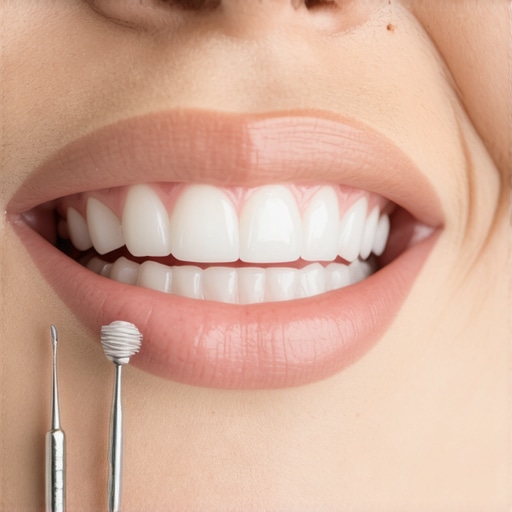
Imagine biting into a crisp apple, only to feel that unexpected, jagged edge scrape the inside of your cheek. I’ve been there. That sudden sharp pain from a tiny chip can be startling and downright annoying. It’s often a small, overlooked issue—yet it has the power to make chewing uncomfortable and even cause worry about underlying dental health. I remember the first time I chipped a tooth during a family barbecue; I was convinced I needed an emergency dentist appointment right then and there. But as I later learned, there are simple, temporary fixes you can do at home to make that sharp edge less painful until you can see your dentist.
So today, I’ll walk you through effective ways to handle a chipped tooth temporarily, so you’re not left feeling vulnerable or in pain. We’ll cover practical steps that can buy you time and keep your smile comfortable. I’ll also share common mistakes to avoid—trust me, I’ve made a few errors myself that I learned from, like trying to use superglue (don’t do that!).
The Urgency of Addressing a Sharp Tooth Edge
A chipped tooth isn’t just about aesthetics; it can pose real health risks. The jagged edge can scratch your tongue or the inside of your cheek, leading to irritation or even infection. Plus, if the chip exposes the inner dentin or nerve, sensitivity and pain can become an ongoing problem. While some chips are minor and might seem unnoticeable, those sharp corners often demand quick attention to prevent further damage.
Now, why does addressing this matter right now? First, a sharp edge can make daily activities—like eating or smiling—uncomfortable or embarrassing. More importantly, delaying treatment may cause the chip to crack further or develop into a more complicated issue that requires extensive dental work, such as crowns or veneers. Interestingly, according to the American Dental Association, prompt temporary fixes can reduce the chance of infection and keep the tooth protected until professional care is available.
If you’re like me, you might be skeptical about trying to fix a dental problem yourself. I get it. I was once tempted to ignore a small chip, thinking it would just settle down on its own. But I learned that DIY solutions are only meant as temporary measures, not replacements for professional treatment. Early on, I also mistook a bit of dental wax for a permanent fix—big mistake! I realized that using inappropriate materials can do more harm than good, so it’s crucial to know what works and what doesn’t.
Are you currently dealing with a chipped tooth that’s causing discomfort? Or perhaps you’re worried about the long-term damage? Well, keep reading because we’re about to dive into the simple, safe steps you can take at home to smooth out that sharp edge and keep yourself comfortable while arranging your visit to the dentist.
Establish a Safe Barrier with Dental Wax
For immediate relief, using dental wax is like applying a soft cushion over a sharp corner. I recall the first time I used it after accidentally biting into something hard. I cleaned the area, took a small piece of wax, rolled it into a tiny ball, and gently flattened it over the jagged edge of my chipped tooth. This method creates a smooth barrier that prevents your tongue or cheek from scraping against the sharp edge, reducing pain significantly. Be sure to rinse your mouth thoroughly and dry the area before applying the wax to ensure it stays in place effectively.
While many people believe they fully understand these popular dental topics, misconceptions often persist—hampering informed decisions and optimal care. Let’s uncover some of these hidden nuances. One pervasive myth is that Invisalign is only suitable for teens or minor corrections; however, recent advancements have made it a viable option for complex cases, provided the treatment is supervised by an experienced orthodontist.
Are All Dental Crowns Equal in Quality and Longevity?
Many think that any crown serves the same purpose, but quality varies significantly based on materials and fabrication techniques. For instance, porcelain crowns with zirconia cores offer both durability and aesthetic appeal—more than just a cosmetic upgrade. To maximize their lifespan, understanding the right type of crown for your needs is crucial, which is why exploring the [ultimate guide to crowns](https://familydentistpro.com/the-ultimate-guide-to-crowns-for-a-healthier-smile) can be incredibly helpful. Moreover, some believe that regular dental checkups aren’t necessary if they brush and floss daily; this misconception can lead to overlooked signs of underlying problems like decay under crowns or early gum disease. Regular visits enable your family dentist to detect these issues before they escalate. When it comes to oral health, a common trap is oversimplifying the connection between gum health and systemic conditions. Scientific studies, such as one published in the Journal of Periodontology, show a clear link between periodontal disease and cardiovascular health—highlighting why comprehensive care extends beyond just teeth. Being aware of these nuances empowers you to make smarter choices. Have you ever fallen into this trap? Let me know in the comments. Remember, staying informed is the first step towards a healthier, more confident smile.Maintaining a healthy and beautiful smile over the long term requires the right tools and consistent routines. Personally, I rely on a combination of advanced dental appliances and digital software to ensure my oral health stays top-notch. One of my favorite products is the Waterpik Water Flosser, which I find incredibly effective at removing plaque and food debris from areas that traditional brushing and flossing might miss, especially around crowns and the margin where the crown meets the natural tooth. It’s gentle on gums yet tough on plaque, and I recommend it to anyone eager to prevent decay and periodontal issues. Additionally, I utilize a Sonicare DiamondClean toothbrush, known for its superior plaque removal and gum health benefits. Its sonic technology delivers high-frequency brush strokes, providing a superior cleaning experience compared to manual brushes. For tracking my oral health progress, I employ a smartphone app tied to my toothbrush, which provides real-time feedback and reminders, helping me maintain consistent brushing habits. Looking ahead, I believe the integration of AI-driven diagnostics and personalized oral health plans will revolutionize long-term dental care, making it more proactive than ever.
How do I keep my crowns and veneers in optimal condition? Regular professional checkups are essential, but supplementing them with daily use of tools like interdental brushes for tight spaces and fluoride rinses can significantly extend their lifespan. For example, fluoride varnishes applied during checkups strengthen the enamel around crowns, reducing the risk of secondary decay. An interesting fact is that recent studies suggest that combining proper at-home tools with periodic professional interventions can preserve dental restorations like crowns for over 15 years, emphasizing the importance of diligent maintenance—in fact, visits like these are detailed at [Family Dentist’s guide](https://familydentistpro.com/why-crowns-are-a-game-changer-in-restorative-dentistry).
According to a 2024 study published in the Journal of Prosthodontics, the longevity of crowns significantly improves with patient adherence to daily interdental cleaning and professional fluoride treatments.
To stay ahead in your oral health game, try integrating an ultrasonic scaler at home once a week—a professional-grade device now available for consumer use. It helps dislodge tartar and biofilm buildup, especially around crowns—it’s a game-changer for long-term maintenance. Remember, consistent use of these tools coupled with regular professional care can dramatically improve your results and preserve your smile’s functionality and aesthetics. Don’t assume that your dental restorations are maintenance-free; the right tools make all the difference in keeping them working seamlessly for years to come.
One thing I realized through my personal dental experiences is that acts of quick thinking and proper materials can make all the difference when managing a chipped tooth. For example, I once used dental wax instinctively, which provided immediate relief and prevented further injury—something I now recommend to everyone. Additionally, I learned to avoid DIY fixes like superglue, which might seem tempting but can cause more harm than good. These lessons emphasize the importance of being prepared with the right knowledge and tools, so you’re ready to act swiftly and safely when dental emergencies happen.
Furthermore, I discovered that regular communication with your dentist can reveal proactive strategies to prevent chips and minimize damage, especially if you participate in activities prone to dental injuries. Staying informed about advancements in family dentistry, such as the latest in crowns or orthodontic options like Invisalign, can also help you make smarter choices that protect your smile long-term. Now, I advocate for well-rounded oral health routines and having a curated toolkit at home—this combination not only saves discomfort but also maintains confidence in your smile each day.
Remember, the key takeaway is that knowledge and preparedness transform anxious moments into manageable situations. Equip yourself with the right habits and trusted resources—like the comprehensive guide to crowns—and you’ll handle dental surprises with resilience. Prioritize regular dental visits and stay updated on innovations in family dentistry to ensure your smile remains strong and healthy. Incorporating such insights can turn unpredictable dental mishaps into opportunities for proactive care and confidence-building in your everyday life.
Brace Yourself: The Wisdom Hidden in My Mistakes
- Never underestimate a tiny chip: It might seem minor but can lead to major issues if ignored. I learned to address even small damages promptly.
- Choose the right materials: Using dental wax was a game-changer for temporary relief, but I also realized the importance of professional repair for a lasting fix.
- Beware of DIY fixes: Superglue and other home remedies can complicate repairs or cause infections. Always consult your family dentist.
- Stay informed about modern solutions: Knowing about options like crowns and Invisalign helped me prevent future damages and choose the right course of action.
- Regular checkups matter: Routine visits catch issues early, saving time, money, and pain in the long run. Trust the guidance in this resource.
Smart Tools That Keep Your Smile Sharp
- Dental wax and orthodontic wax: For quick comfort around sharp edges, trust these classics for immediate relief.
- Electric toothbrushes with smart technology: Devices like the Sonicare DiamondClean ensure thorough cleaning, supporting restoration longevity.
- Interdental brushes and water flossers: They reach tricky areas around crowns and braces, helping prevent chips related to plaque buildup.
- Professional-grade at-home devices: Ultrasonic scalers are now available for consumers and can extend the life of your restorations, keeping your smile in top shape.
- Educational resources: Staying updated with trusted guides, such as the Invisalign vs. braces comparison, helps inform better decisions for your oral health.
Take Charge of Your Smile Journey
Handling a chipped tooth might feel daunting, but arming yourself with knowledge and the right tools can turn that challenge into an opportunity for healthier, more confident smiles. Remember, every step you take—be it seeking professional advice, using proper temporary fixes, or staying informed on modern dental innovations—brings you closer to a resilient smile that lasts a lifetime. So, don’t wait for emergencies to hit; start today by exploring reputable resources and building a routine that champions your oral health. Your future self will thank you for it!
What’s the biggest lesson you’ve learned about managing dental mishaps? Share your story below—I’d love to hear how you stay proactive with your smile!
,