
How to fix a sharp edge on your tooth until you can see a dentist
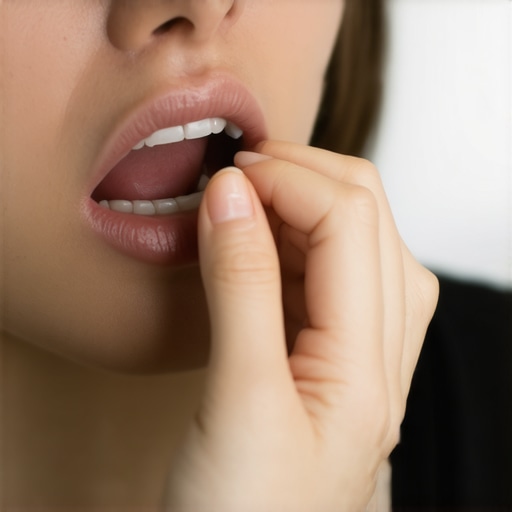
It happened suddenly — I was biting into my morning toast when I felt that unmistakable sharp edge on one of my teeth. Suddenly, eating became a cautious game of avoidance, each bite reminding me that I was on my own until I could see a dentist. We’ve all been there, right? That moment when an unexpected dental discomfort turns your day upside down.
Why Do Sharp Edges Form on Teeth, and Why Should You Care?
A sharp or jagged edge on your tooth might seem like a minor annoyance, but it carries real risks. It can cause painful cuts on your tongue or inside your lips and gums. Plus, it can trap food particles more easily, leading to decay or further damage. If ignored, this small problem can evolve into more significant issues, requiring extensive repairs or even crowns.
Understanding how this happens is the first step to managing it effectively. Teeth can develop sharp edges from chips, cracks, or worn enamel over time. Sometimes, biting into something hard like ice or a hard candy can cause this. In my own experience, I learned that early intervention could prevent a quick trip to the dentist from turning into a lengthy and costly procedure.
But what do you do when you’re unable to see your dentist immediately? That’s where some simple, temporary fixes come into play, helping you avoid unnecessary pain or further damage until professional help is available. It’s a bit like patching a leaky pipe until the plumber arrives — not perfect, but better than nothing. And trust me, I’ve made my share of mistakes early on, like using metal tools that only made the chip worse. Learning from those missteps is what led me to discover safe and effective at-home solutions.
Are you currently dealing with a sharp-edged tooth? Or perhaps you’ve had a similar experience and wish you knew how to handle it better? Keep reading, because I’ll walk you through practical steps to **smooth out that jagged edge safely** until you can get professional dental care. After all, no one should have to suffer discomfort or risk injury unnecessarily.
Inspect and Prepare for Temporary Fixes
Start by examining the sharp edge cautiously with a clean mirror and good lighting. If the edge feels jagged, avoid using metal tools or harsh objects—these can worsen the chip or cause injury. I once attempted to smooth my tooth with a metal file I found at home, which only made the problem worse—so stick to safer methods.
Use Dental Wax or Sugar-Free Gum as a Temporary Barrier
Apply a small amount of dental wax or a piece of sugar-free gum over the sharp edge. This creates a soft layer that prevents cuts on your tongue or cheeks. During my own mishap, I pressed dental wax onto the chipped tooth, which immediately reduced discomfort until I could see a dentist. You can get dental wax at most drugstores or ask your dentist about purchasing it.
Smooth the Edge with a Soft-Tempered Nail File
Gently file the jagged edge with a clean, soft nail file—preferably one designed for nails, not for nails on your fingers! Light, short strokes are key. I remember carefully dabbing a nail file over my tooth; it took patience, but it effectively dulled the sharpness. Never use rough or metal files, as they risk damaging the enamel further.
Apply Cold Compress to Reduce Swelling and Discomfort
If there’s swelling or pain, press a cold pack or ice wrapped in a cloth against your cheek near the affected area. This reduces inflammation and numbs the pain. I placed a bag of ice on my cheek for 10 minutes during my incident, which provided quick relief. Avoid direct contact with ice directly on your skin or teeth to prevent cold sensitivity or damage.
Maintain Oral Hygiene to Prevent Further Damage
Keep your mouth clean by gently rinsing with warm salt water. This helps prevent infection around the chipped area. I made sure to rinse after eating, especially to dislodge food particles trapped near the rough edge. Be gentle around the vulnerable area to avoid irritating or causing additional chips.
Plan for Professional Examination
These temporary solutions are just that—temporary. Schedule an appointment with your dentist as soon as possible. They can evaluate the damage and determine if you need a crown or other restorative work. Remember, a crown can significantly boost your oral health and restore your smile’s confidence, which is why I recommend reading about why crowns are a game-changer.
When it comes to dental care, many people rely on myths or incomplete information, leading to potential pitfalls. As an experienced family dentist, I’ve seen misconceptions that can hamper oral health efforts or result in unnecessary procedures. Let’s explore some of these overlooked nuances that can make a real difference in your dental journey.
Is Invisalign Just a Cosmetic Fix? Think Again
Many believe Invisalign is merely for aesthetic improvements, but its real strength lies in functional benefits such as correcting bite issues and preventing future dental problems. Unlike traditional braces, Invisalign offers a discreet approach, but it also requires conscientious wear and cleaning to avoid trapping bacteria. For a comprehensive understanding, check out hidden benefits of Invisalign.
The Trap of Overlooking Crown Longevity
There’s a common misconception that all crowns are equal and last indefinitely. However, not all crowns are created with the same materials or techniques. Choosing a skilled crown specialist not only ensures a durable restoration but also preserves your remaining tooth structure. The right crown can dramatically improve your oral health and confidence, especially when made with quality materials. For insights, see why crowns are a game-changer.
Why Most People Get Crowns Wrong
One overlooked nuance is the proper preparation of a tooth before placing a crown. Many believe any decay or damage warrants an immediate crown, but without addressing underlying issues like gum health or preventing further decay, the crown’s lifespan could be compromised. Proper evaluation and preparation ensure your crown genuinely benefits your overall oral health. To learn more about best practices, visit choosing the right crown expert.
Myth Busting Around Oral Hygiene Products
From fluoride toothpaste to mouthwashes, there’s a lot of conflicting advice. For instance, many assume that harsh mouthwashes are always detrimental, but some effective formulations can significantly reduce plaque if used appropriately. The key is understanding your specific needs and avoiding products with overly abrasive ingredients, which can erode enamel over time. For tailored advice, check out top oral health tips.
Can Small Mistakes Lead to Big Oral Problems? Absolutely
Ignoring early signs of gum disease or enamel erosion can result in complex issues like tooth loss or systemic health problems. A small bleed during brushing might seem insignificant but can be a sign of underlying inflammation. Regular dental checkups help catch these issues before they escalate. Keep in mind, many of these pitfalls are avoidable with proper knowledge and timely intervention. Read more at early gum disease signs.
Have you ever fallen into this trap? Let me know in the comments. Remember, being well-informed is your best defense against hidden dental pitfalls. Continuing to educate yourself ensures your family’s smiles stay healthy and bright for years to come.
Keep It Working: Essential Maintenance Tips for Dental Tools and Treatments
Maintaining your dental health involves more than just regular visits; it also requires proper care of the tools and treatments that keep your smile shining. From Invisalign trays to crowns, knowing how to care for these innovations ensures their effectiveness over years of use. Personally, I rely on specific hygiene practices and recommended products to extend the lifespan of these investments and keep them functioning optimally.
For your Invisalign aligners, daily cleaning with a soft toothbrush and a non-abrasive, clear cleaning solution prevents plaque buildup and odors. I suggest avoiding harsh mouthwashes that can degrade the material over time. Instead, I use specialized Invisalign cleaning crystals, recommended by manufacturers, to ensure thorough sanitation without compromising the trays’ integrity. Regularly removing and rinsing your trays after meals, as explained in this guide, keeps them clear and effective.
When it comes to crowns, the key is gentle maintenance. While crowns are durable, neglecting oral hygiene can lead to decay at the margin. I recommend using an ultrasonic scaler once a year to remove plaque around the crown, but only if you’re trained in its proper use—otherwise, a professional cleaning is best. Also, avoid biting on hard foods or objects that might crack or loosen these restorations.
To support long-term results, I advocate for the use of high-quality electric toothbrushes equipped with timers and pressure sensors. They help maintain consistent cleaning without damaging the enamel or restorations. For example, my personal favorite is the Philips Sonicare, which I’ve found significantly reduces plaque and gum inflammation over time.
Predicting future trends, I believe that as technology advances, we’ll see smarter, AI-powered dental tools integrated into routine care, offering personalized maintenance plans and early detection of issues before they become serious. Staying ahead hinges on embracing these innovations now, such as investing in ultrasonic toothbrushes or smart flossers compatible with your dental health goals.
How do I maintain my dental tools over time?
Proper maintenance involves regular, gentle cleaning of devices like Invisalign trays and crowns, avoiding abrasive products, and scheduling professional check-ups. For example, using a dedicated ultrasonic cleaner for Invisalign trays every week can remove bacteria and debris more effectively than manual brushing.
Investing in the right equipment, such as a high-quality electric toothbrush with pressure sensors, has drastically improved my long-term oral health. These tools help prevent wear and tear on restorations, ensuring your smile stays healthy and confident for years. For more insights on preserving your oral health, don’t hesitate to consult your family dentist or book an appointment via our contact page.
Remember, diligent maintenance and the right tools aren’t just about prolonging treatment efficacy—they’re about protecting your overall health. For instance, proper cleaning of Invisalign trays not only keeps your treatment on track but also prevents bacteria buildup that can lead to cavities or gum disease. As an expert in family dentistry, I recommend regularly reviewing these practices and staying updated with innovations like latest Invisalign tips to ensure your investment in your smile continues to pay off.
Take action today: try implementing an ultrasonic cleaning routine for your trays or invest in a smart electric toothbrush. Small steps like these make a significant difference in your long-term oral health and confidence. To explore more about how regular tool maintenance can benefit your family, reach out to us or visit our contact page.
Why I Stumbled—and What It Taught Me About Genuine Dental Care
One of the most eye-opening lessons I learned in my journey with family dentistry is that the small, overlooked details often hold the key to lasting oral health. For instance, I used to think that brushing more vigorously was the answer, but I soon realized that gentle, targeted care is far more effective. This insight transformed how I recommend routine maintenance, emphasizing quality over quantity—and I encourage everyone to prioritize precision over brute force when it comes to their smiles.
Essential Tools That Keep My Family’s Smiles Bright and Healthy
Over the years, I’ve curated a personal toolkit that makes all the difference: a high-quality electric toothbrush with pressure sensors for gentle yet effective cleaning, ultrasonic devices for maintaining Invisalign trays, and a trusted fluoride rinse that strengthens enamel from within. These tools aren’t just gadgets—they are investments in a proactive approach to oral health, backed by science and my own clinical experience. For a deeper dive, you might explore top oral health tips.
Your Smile’s Best Ally: Embracing a Lifelong Care Attitude
Ultimately, the most powerful lesson I can share is that progress in dental health isn’t about quick fixes; it’s about fostering an attitude of ongoing care and awareness. From understanding the subtle signs of wear on crowns to knowing how small changes in your daily routine can prevent big issues down the line, it’s a mindset that keeps your smile resilient. I invite you to start viewing your dental routine as a form of self-respect—an investment that pays dividends well beyond aesthetics.
What Has Your Dental Journey Taught You?
Have you ever experienced a small dental mishap that turned into a valuable lesson? Share your story below and let’s inspire each other to take even better care of our family’s smiles. Remember, every experience, big or small, adds to the wisdom that keeps us all smiling brighter. And if you’re ready to elevate your oral health game, consider reaching out through our contact page—because your best smile is worth it.