
How to fix the ‘whistling’ sound caused by a new dental bridge
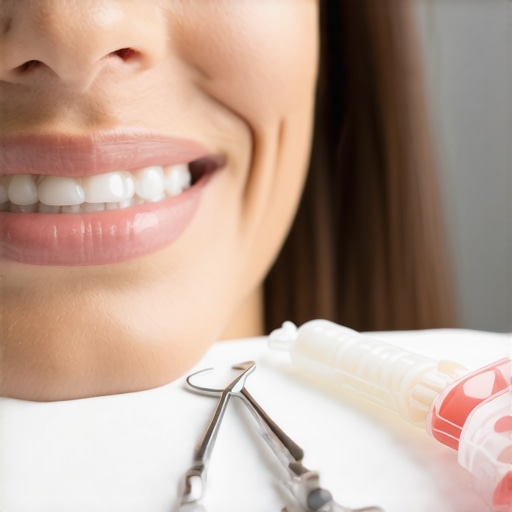
I remember sitting at my kitchen table, trying to enjoy my morning coffee, when suddenly I was greeted not by the comforting aroma but by an irritating whistling sound whenever I spoke or ate. It was my new dental bridge causing this unwanted noise, and I was stunned. How could something so essential to my smile become so bothersome overnight? That lightbulb moment hit me hard—realizing I wasn’t alone in this frustrating experience. Many people, after getting a dental bridge, notice a persistent whistling or high-pitched sound, and it can be both embarrassing and uncomfortable.
Why Your New Dental Bridge Might Be Causing That Unwanted Noise
The truth is, a whistling sound isn’t just annoying—it can also hint at underlying fitting issues. When a dental bridge isn’t seated perfectly, tiny gaps can form between the prosthetic and your natural teeth or gums. These gaps can create a whistle as air or saliva escapes through them during speech or mastication. Early on, I made the mistake of ignoring this issue, thinking it would resolve itself or that I just needed to get used to it. But I quickly learned that such minor misalignments could not only spoil my confidence but also lead to further complications like irritation or decay if left unaddressed. Understanding the root cause is crucial, and the good news is, this problem is often fixable—sometimes with simple adjustments or a visit to your dentist. In fact, recent advancements in dental technology now allow for precise modifications without invasive procedures, restoring both comfort and function. If you’re grappling with a similar issue, I promise, there are ways to fix it without resorting to drastic measures. Let’s explore some practical solutions that can help silence that pesky whistle and get you back to smiling freely. Before diving into the fix, have you experienced this peculiar whistling sound after getting your dental bridge? If so, you’re not alone, and the next sections are here to guide you through effective remedies.
Check the Fit and Seal of Your Bridge
Start by inspecting whether your dental bridge seats properly against your gums. Gaps can cause air to escape and produce that annoying whistle. Remember, tiny adjustments can make a big difference—so gently tap along the sides of your bridge to see if it shifts or feels loose. When I experienced this issue, I used a mirror and tactile sensation to assess if my bridge was snug. If it feels uneven or if you notice gaps, it’s time for professional help.
Adjust Your Bite and Occlusion
Misaligned bites can lead to uneven pressure on your bridge, creating gaps and whistling sounds. To address this, gently examine how your teeth meet when you bite down. If one side is harder to close or feels off, avoid forcing your jaw and instead see a dentist. They may perform an occlusal adjustment, similar to tuning a guitar string, to ensure even contact across your teeth. During my visit, a slight reshaping of the biting surfaces restored harmony and silenced the noise.
Use Dental Floss and Oral Care to Remove Debris
Food particles or saliva trapped under the bridge can contribute to improper seating and create noise. Regular flossing around the bridge edges clears debris that might cause gaps. Think of floss as a tiny broom sweeping away foreign material, ensuring a tight seal. In my case, meticulous flossing revealed small food remnants—removing them markedly reduced the whistling. Incorporate interdental brushes if needed for hard-to-reach areas.
Apply Gentle Pressure with Your Tongue
Sometimes, pressing your tongue against the inside of your mouth near the bridge can help reposition it temporarily, preventing air from escaping. This isn’t a fix but a quick way to manage the noise until you see a dentist. I found that a gentle press with my tongue during conversations reduced the whistle, giving me confidence to speak without embarrassment.
Seek Professional Adjustment or Replacement
Persistent whistling indicates a possible need for professional intervention. Your family dentist may perform adjustments, similar to fine-tuning a musical instrument, which can often resolve minor misfits. If adjustments fail, consider the possibility that your bridge might need replacement, especially if material wear or damage has occurred. For detailed info on different restorative options, you can explore whether crowns or veneers suit your needs better.
Maintain Regular Check-Ups
Prevention is key. Regular dental visits allow your dentist to monitor the fit of your bridge and catch potential issues early. Think of it as routine tuning for your instrument—preventing squeaks and squeals before they start. I schedule bi-annual appointments, which include checking the stability and fit of my dental restorations.
Consult When in Doubt
If DIY adjustments or oral care don’t eliminate the whistling, don’t delay seeking professional advice. Experts can perform precise adjustments or recommend replacements, ensuring your oral health and comfort are restored promptly. Remember, addressing these issues early prevents more complicated problems like irritation or decay. Need guidance? Visit contact our family dentistry team for personalized assistance.Many people assume that modern dental procedures like Invisalign, crowns, and routine family dentistry are straightforward solutions that require little thought. However, there’s a wealth of nuanced information that many overlook, leading to mistakes that can compromise long-term oral health.
Is Invisalign Really Just a Cosmetic Fix? Think Again.
Contrary to popular belief, Invisalign isn’t solely about cosmetic enhancement. While it’s true that Invisalign aligners improve the appearance of teeth, their design also plays a crucial role in preserving gum health and preventing bite issues. A common misconception is that clear aligners are less effective than traditional braces, but recent studies show that when properly managed, Invisalign can achieve comparable results, especially when combined with comprehensive dental care. For advanced cases, combining Invisalign with other restorative options like crowns or veneers might be necessary. For insight into how Invisalign is revolutionizing family dental care, explore the latest innovations in Invisalign. Just remember, misusing or neglecting Invisalign compliance can lead to unintended misalignments or relapse, which is a warning sign that you should work closely with your dentist. Always consult professionals before assuming a quick fix is sufficient.
Beware of the Trap: Assuming Crowns Are a Last-Resort Solution
Many believe that dental crowns are only for severely damaged teeth, but in reality, they serve multiple purposes, including protecting weak teeth, improving aesthetics, and supporting restorative implants. An advanced mistake is to think crowns are a one-size-fits-all fix; however, choosing the wrong material (porcelain, zirconia, or metal) without proper consultation can result in durability issues, color mismatches, or gum irritation. For a deeper understanding of choosing the right crown, refer to this guide on crown selection. Additionally, neglecting regular follow-up visits to assess crown integrity can turn a well-placed restoration into a problem. Overlooking the importance of long-term maintenance may lead to issues like decay beneath the crown or gum recession, which are avoidable with proper care.
Advanced Question: How Do I Know When Routine Dental Visits Are Enough?
While many believe that brushing and flossing along with bi-annual visits are sufficient, emerging research indicates that individual risk factors demand personalized schedules. Patients with periodontal disease, restorations, or orthodontic appliances may benefit from more frequent check-ups. Modern techniques in family dentistry, such as digital imaging and laser diagnostics, allow for early detection of issues that traditional methods might miss. To stay ahead, consider consulting with your dentist on whether your current check-up frequency matches your oral health profile. Visit this page on advanced family dentistry techniques for a comprehensive overview. Remember, proactive care often prevents costly and invasive procedures later.
Overall, understanding the nuanced roles of modern restorative and cosmetic dentistry helps you make informed decisions. Don’t fall into the trap of simplistic assumptions—it could cost you more in the long run. Have you ever fallen into this trap? Let me know in the comments.
Maintaining the longevity of family dental work like crowns, implants, or Invisalign requires more than just good brushing—it’s about using the right tools and techniques. At home, I swear by the use of interdental brushes, specifically tapered designs that reach the side surfaces of crowns and bridges, where traditional floss can sometimes miss. I prefer models with fine filaments that gently dislodge plaque without damaging delicate restorations. Pairing this with an ultrasonic water flosser, such as the Waterpik Aquarius, has revolutionized my daily routine. Its pulsating stream effectively removes debris and biofilm, especially around Invisalign trays or dental crowns, reducing the chance of decay or gum issues over time.
How do I maintain my dental tools to ensure long-term results?
Regular cleaning is vital. I recommend soaking interdental brushes in an alcohol-based disinfectant weekly, and replacing water flosser tips every three months or sooner if they show signs of wear. These practices prevent bacterial buildup and preserve the effectiveness of your tools. Additionally, investing in a cordless LED magnifying mirror helps me detect early signs of plaque accumulation or marginal staining on crowns—catching issues early saves both time and money. As dental technology advances, new oral hygiene devices are emerging that can monitor plaque levels via smartphone apps, giving real-time feedback and personalized advice. These innovations, like the Plaqless Pro, are paving the way toward smarter oral health management.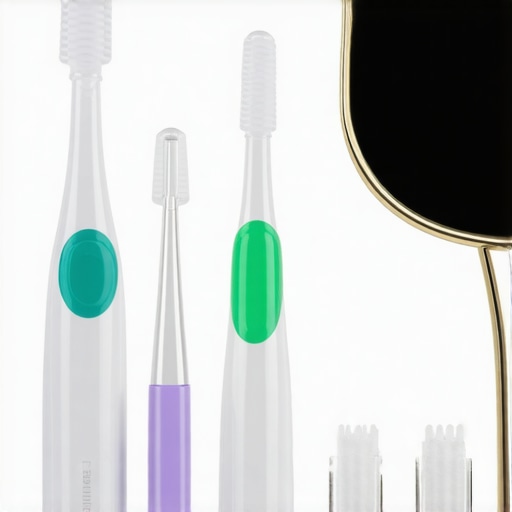
Image prompt: A close-up of interdental brushes, ultrasonic water flosser, and magnifying mirror on a bathroom countertop, highlighting advanced dental hygiene tools.
Lessons From the Dental Trenches: Surprising Truths I Discovered
One of the most eye-opening lessons I learned is that even minor misalignments in dental restorations can cause major discomfort and embarrassment, especially with something as noticeable as a whistling bridge. I also realized that routine oral care isn’t enough; staying vigilant about the fit and function of your dental work is crucial. Furthermore, I discovered that advances like precise occlusal adjustments can be surprisingly simple yet incredibly effective—saving time and pain in the long run.
Finally, the importance of building a relationship with a trusted dentist can’t be overstated. Their expertise ensures that small issues are caught early and handled with care, preventing them from becoming bigger problems. These lessons have transformed my approach to oral health into an ongoing partnership, rather than a one-time fix.
Tools and Guides That Made a Difference for My Smile
For anyone looking to deepen their understanding, I highly recommend exploring resources like Top Oral Health Tips for Your Family’s Bright Smiles—it offers practical advice rooted in the latest research. Additionally, investing in interdental brushes and a Waterpik Water Flosser revolutionized my daily routine, ensuring hard-to-reach areas are clean and reducing the risk of issues requiring complex interventions. For comprehensive guidance, the detailed articles on modern family dentistry techniques have been invaluable.
Keep Smiling and Stay Proactive
Your journey to a healthier, more comfortable smile is ongoing. Embracing the knowledge that small adjustments and consistent care can prevent larger problems empowers you to take charge of your oral health. Remember, the best dental care is proactive—not reactive. So, continue exploring, asking questions, and collaborating with your dental care team—your smile deserves it. Have you ever encountered a small dental issue that turned out to be a big deal? Share your story below and let’s learn from each other’s experiences.