
How to get a perfect match for a single front tooth crown
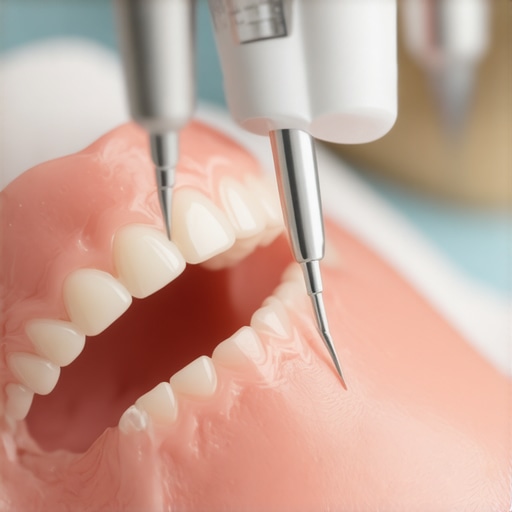
Ever looked in the mirror after getting a new front tooth crown and felt a sinking disappointment? I remember the first time I sat in that dental chair, staring at my reflection while the dentist held up a mirror to check the shade—only to realize that my new crown looked slightly off, more yellow than my natural teeth. That moment was a lightbulb for me: getting a crown that blends seamlessly isn’t just about choosing the right shade; it’s about understanding the nuances of color, translucency, and shape.
Why Matching Your Front Tooth Crown Perfectly Is More Critical Than You Think
A flawless smile isn’t just about aesthetics; it boosts your confidence and impacts how others perceive you. But achieving that perfect match? It can feel like chasing a mirage. If your crown doesn’t match well, it’s more noticeable than you might think, drawing unwanted attention and making you self-conscious in social situations.
The good news is that with a bit of knowledge and preparation, you can work with your dentist to ensure your crown blends naturally. This isn’t just about picking the closest shade; it’s about understanding what makes a crown truly camouflaged among your existing teeth. I’ll walk you through some practical insights based on my experience, and I’ll share why rushing this process might actually work against you.
Have you ever felt frustrated because your dental work just didn’t look right? You’re not alone. Many people don’t realize that the key to a perfect match starts long before the appointment, with proper consultation and planning. When I overlooked this step early in my journey, I ended up with a crown that looked out of place for months, until I learned to communicate better with my dentist.
To understand how to get that ideal match, let’s first explore what makes a crown blend seamlessly and what common mistakes can sabotage your chances of success.When it comes to achieving a seamless match for your front tooth crown, precision is key. I vividly recall a time I prepared meticulously for my appointment, starting with in-depth shade selection. To do this effectively, coordinate with your dentist to use a **shade guide** that reflects natural lighting conditions—owning a **portable light** or visiting your dentist during natural daylight can dramatically improve accuracy. Before your appointment, avoid stain-causing foods and drinks for at least 24 hours to prevent altering your natural tooth shade. During the consultation, request that the dentist take **customized photos** and **shade measurements** using a spectrophotometer—these tools provide a precise color match that’s less subjective than eye estimation. I once brought in a sample of my natural teeth in natural light, which helped my dentist fine-tune the shade, leading to a near-perfect blend. Remember, digital communication tools or **specialized shade-matching apps** can assist in selecting the closest match beforehand. If you’re considering options like **crowns vs veneers**, understanding the differences can influence your choice for a better result; check out this helpful comparison at Crowns vs Veneers. Additionally, discussing translucency levels is critical—some crowns can be made more translucent, mimicking natural enamel, which significantly enhances their natural appearance. When selecting a lab for the fabrication, ask if they utilize **digital scanning** and **shade matching technology**, which can dramatically reduce errors. After placement, remember that slight adjustments in polishing or staining can sometimes improve the initial mismatch—your dentist can do this easily. Engaging proactively in this process ensures your crown doesn’t just look good initially but remains camouflaged over time, especially with routine **oral hygiene practices**. For tips on maintaining your crown’s appearance, explore Caring for Crowns. Keep in mind, patience and open communication with your dental professional are your allies in this journey toward a flawless smile.Many people believe that choosing the cheapest dental options guarantees savings, but in reality, cutting corners often leads to costly repairs or replacements. For example, opting for low-quality crowns might seem like a smart financial move initially, but improperly fitted or inferior materials can cause discomfort, wear prematurely, or even jeopardize overall oral health. This misconception can trap patients into recurrent, expensive procedures. According to a study by the American Dental Association, investing in quality restorations significantly reduces future complications, highlighting the importance of selecting experienced professionals for treatments like crowns, which are a game-changer in restorative dentistry. Furthermore, a common myth persists that Invisalign aligners are only for minor corrections; however, recent advancements allow for complex cases to be treated successfully with this discreet orthodontic solution.
Are All Invisalign Options Equally Effective for Complex Teeth Alignments?
In fact, not all Invisalign treatments are equal, and selecting a qualified specialist who uses cutting-edge technology ensures optimal results—this can be critical for complex cases. Relying solely on generic providers or outdated techniques may compromise the outcome and prolong treatment time. For a comprehensive understanding of how to maximize Invisalign’s benefits, check out this in-depth look at Invisalign innovations. Similarly, many overlook the nuance that saliva plays a vital role in oral health; excessive dry mouth isn’t just uncomfortable but increases cavity risk—it’s a subtle issue often mistaken for benign dryness. Regular hydration and saliva-stimulating routines are essential, as supported by research from Harvard Dental School. In family dentistry, personalized care and awareness of such nuances underpin effective long-term oral health strategies. Before your next appointment, remember that routine check-ups aren’t just about cleaning but about catching these hidden issues early. Routine visits, combined with understanding these advanced factors, help prevent common pitfalls and ensure your smile remains healthy and confident. So, have you ever fallen into this trap? Let me know in the comments.Once you’ve invested time and resources into your dental health, maintaining those results becomes essential. I personally rely on specialized tools and meticulous routines to ensure my crowns and Invisalign trays stay in optimal shape, ultimately prolonging their lifespan. One device I swear by is the **Denture & Oral Irrigator by Water Floss**—it provides a gentle yet effective way to clean around crowns and bridges without damaging the restorative material. I transitioned from traditional floss to this electric device because it reaches tricky areas with ease, reduces plaque buildup, and minimizes the risk of staining or staining-induced decay. Additionally, I recommend using **ultrasonic tooth cleaners** like the **Careede Ultrasonic Cleaner**—a compact device I use weekly to remove stubborn plaque and biofilm from my Invisalign trays and retainers, since plaque buildup can cause discoloration and reduce transparency over time. For software, I prefer **Smile Reminder**, which not only helps schedule routine check-ups but also offers personalized oral health tips based on my treatment plan, keeping me engaged and proactive. With Invisalign, the key to long-term success is consistent care; I find that **brushing with a soft-bristled brush and non-abrasive toothpaste** like **Tom’s of Maine** prevents scratches that can harbor bacteria, preserving clarity. Prediction-wise, advancements in **AI-powered oral health monitoring apps** are on the horizon, promising even more personalized and real-time insights into maintaining dental work. How do I maintain my crowns and Invisalign? Regular professional checkups combined with advanced tools like ultrasonic cleaners and smart apps create a robust defense against damage, staining, and decay. Remember, routine maintenance isn’t just about cleanliness; it’s about preserving your investment and confidence in your smile. For detailed strategies, check out the ultimate guide to crowns, which emphasizes proper cleaning techniques. Don’t underestimate the power of these tools: incorporating an ultrasonic cleaner into your weekly routine can dramatically extend the life of your dental restorations and aligners. Give it a try and experience the difference firsthand. Your future self will thank you!
Three Surprising Lessons I Heard The Hard Way About Dental Care
If I’ve learned anything from my experience with family dentistry, crowns, and Invisalign, it’s that there’s always more beneath the surface. First, never underestimate the power of personalized communication—your input can make all the difference in achieving a seamless smile. Second, quality materials and expert craftsmanship in crowns or veneers significantly impact longevity and appearance, saving you time and money in the long run. Third, routine maintenance and proactive habits are your best defense against future issues; neglecting small details now can lead to costly repairs later.
Tools That Transformed My Approach To Oral Health
Over the years, I’ve come to rely on a handful of trusted resources that truly make a difference. The Ultimate Guide to Crowns became my go-to for understanding what to expect at every stage, from selection to care. I also trust the Choosing the Right Crown Expert article for tips on selecting capable professionals. For daily routines, top oral health tips keep me motivated and informed. And, of course, regular visits always keep small issues from becoming big problems.
Embrace Your Dental Journey—It’s Worth It
Your smile is a reflection of your confidence and well-being. Whether you’re considering crowns, Invisalign, or just enhancing your oral health routines, remember that every step forward offers a brightening of not just your teeth but your outlook on life. Don’t wait for problems to arise—invest in yourself today. Take that first step, reach out to your family dentist, and start the journey toward the best version of your smile. Your future self will thank you for the effort and care you put in now. What’s one small change you’re willing to make to improve your oral health? Share below and let’s inspire each other to keep smiling brightly!