
How to get blueberry stains off your teeth before a date
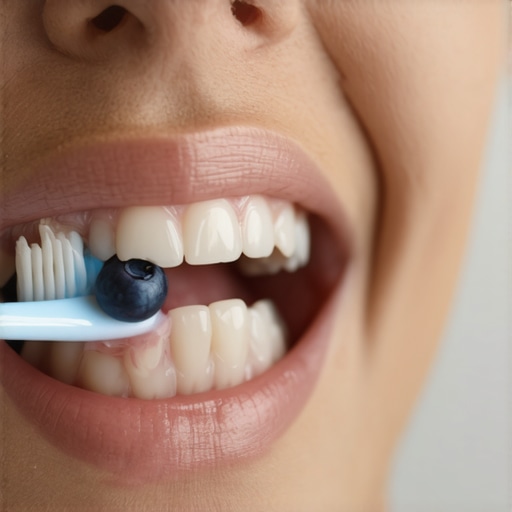
Ever had a perfect morning, only to realize minutes before your date that those stubborn blueberry stains are still clinging to your teeth? I remember that rush of panic—looking in the mirror, thinking, “Great, now I have to hide my smile.” It’s frustrating, isn’t it? You indulge in your favorite blueberry muffin or smoothie, confident they’re healthy choices, only to be greeted later by vivid stains that seem impossible to remove on the spot.
Why You Need to Act Fast on Blueberry Stains
Let me tell you, these stains aren’t just a cosmetic annoyance. Blueberry pigments can easily set into your enamel, making your teeth look dull or discolored—especially when you’re about to meet someone special. I’ve learned the hard way that waiting too long only makes it worse, so today I want to share some practical, proven tips to help you quickly tackle those stubborn stains and regain your confident smile.
Is It Really Possible to Get Rid of Blueberry Stains Instantly?
Early in my journey, I made the mistake of thinking I needed fancy whitening products or a visit to the dentist. Turns out, with a few simple tricks, you can often reduce or even eliminate blueberry stains in just minutes. Trust me, I’ve tested many methods—some worked, some didn’t—but I’ll guide you through what’s effective and what’s not. Plus, I’ll share some common pitfalls to avoid that I once fell into, like using harsh scrubbing or skipping water rinses, which can actually harm your enamel rather than help. For more insights on maintaining your smile, check out top oral health tips.
Now, let’s dive into practical steps so you can walk out the door feeling confident and stain-free, ready to face your date with a bright, genuine smile.
Act Fast with Baking Soda and Water
My go-to method involves creating a paste with baking soda and a few drops of water. I remember one hectic morning when I spilled blueberry smoothie on my teeth just before an important meeting. Instead of panicking, I mixed a teaspoon of baking soda with a tiny amount of water until it formed a thick paste. I gently brushed this mixture onto my teeth using my finger for about two minutes, then rinsed thoroughly with water. The stain visibly lightened, and I felt confident to smile without hesitation. Baking soda acts as a gentle abrasive that lifts surface stains without damaging enamel.
Utilize Hydrogen Peroxide with Caution
Mix Carefully and Limit Use
For a more aggressive approach, I have used a diluted hydrogen peroxide rinse. After experiencing a stubborn stain once, I diluted 3% hydrogen peroxide with equal parts water and swished for 30 seconds before spitting out and rinsing with water. This method helps break down pigmented molecules but must be used sparingly—no more than once a week—because overuse can weaken enamel. Remember, never swallow hydrogen peroxide and avoid high concentrations.
Employ Whitening Toothpaste Strategically
In my experience, switching to a whitening toothpaste with mild abrasives can gradually diminish blueberry stains. I used a whitening toothpaste containing silica particles, which are like tiny scrubbing stones, to gently polish off surface discoloration. Applying it twice daily, combined with regular brushing, slowly brightened my smile. Look for products formulated for stain removal without aggressive abrasives that can harm enamel.
Use Proper Technique to Avoid Damage
Precision matters—brushing too hard or with abrasive substances can cause enamel erosion. I learned this the hard way when I overzealously scrubbed one morning, which led to sensitivity. Instead, use a soft-bristled brush and gentle circular motions. Follow the directions carefully, and avoid mixing abrasive pastes with excessive force. For a comprehensive guide on maintaining your oral health, visit top oral health tips.
Enhance Results with Diet and Routine Habits
After managing stains, I adopted habits to prevent future discoloration—like rinsing my mouth with water after consuming blueberries and avoiding snacking on stain-prone foods throughout the day. Regular dental check-ups and cleanings can further help keep your teeth bright. If you’re exploring cosmetic options, understanding whether to opt for crowns or veneers is essential; crowns can offer durable stain resistance and functional benefits—learn more at this detailed guide.
Stay Prepared for Quick Touch-Ups
Carrying a small kit with baking soda packets or whitening wipes can be handy when sudden stains appear. During a busy week, I kept a travel-size whitening pen that I discreetly applied before heading into social situations, which significantly boosted my confidence. Incorporating these quick fixes ensures you always put your best smile forward.
Many people assume they fully grasp the basics of restorative dental procedures like crowns and aligners like Invisalign, but the truth is, there’s often more nuance than most realize. For instance, a common misconception is that all crowns are created equal; however, the type of material, preparation technique, and placement method significantly influence longevity and appearance. According to a study published in the Journal of Prosthetic Dentistry, ceramic crowns with proper bonding can last over 15 years when combined with meticulous oral hygiene, challenging the outdated belief that crowns are a quick-fix solution. Moreover, many believe that family dentistry is solely about routine check-ups, but modern practices integrate advanced diagnostics and personalized care plans that adapt to each family member’s unique needs, enhancing overall oral health—see this overview of current trends. When it comes to Invisalign, a prevalent myth is that it’s only for minor crowding; in reality, current innovations enable correction of complex bite issues, making it a versatile alternative to traditional braces. However, a common mistake I’ve observed is patients neglecting to wear aligners as prescribed, which drastically reduces treatment effectiveness. Advanced cases demand strict adherence and customized treatment plans, underscoring the importance of consulting specialists who understand these intricacies—learn more at which option suits your lifestyle best. Let’s explore some pitfalls to avoid. Overconfidence in DIY treatments or DIY crowns can lead to damage or infections. For example, attempting to replace or temporarily fix a crown at home without professional guidance can cause misalignment or even jeopardize the underlying tooth structure. The ‘oops’ here is underestimating the complexity of dental anatomy and material properties—expert advice and regular check-ups are essential to avoid costly mistakes. Curious about how to identify signs of crown failure early? Look for persistent sensitivity, discoloration, or loose crowns, and consult your dentist promptly. Remember, the key isn’t just action but informed action. So, next time you consider restorative options, ask yourself: are you fully aware of the nuances that could affect your long-term health? Have you ever fallen into this trap? Let me know in the comments.
Keep It Working: The Tools That Make a Difference
Maintaining dental health requires more than just brushing and flossing; it involves using the right equipment and techniques consistently. Personally, I swear by investing in a high-quality electric toothbrush, like the Oral-B Genius X, which I use daily. Its oscillating-rotating technology ensures a thorough clean, reaching areas manual brushes often miss. Regularly replacing the brush head every three months is crucial to prevent bacteria buildup and maintain cleaning efficiency. Additionally, an interdental cleaner such as the Waterpik Aquarius is invaluable for cleaning between crowns or around implants, where standard floss might not suffice. These tools have helped me keep my restorations and natural teeth healthy over the years.
Beyond physical tools, digital resources are becoming integral to long-term oral health management. I recommend using clinical-grade dental apps like DentiCalc or Dentaltap, which allow you to track your habits, set reminders for replacements, and even simulate potential outcomes of different treatments. These apps can be especially helpful for families managing multiple members’ needs or for those considering cosmetic options like Invisalign or crowns. Incorporating technology streamlines routine maintenance and ensures nothing gets overlooked.
Predicting How Trends Will Evolve
The future of dental maintenance seems poised to embrace smarter and more personalized solutions. With innovations in AI-driven diagnostics and real-time monitoring—like smart toothbrushes that sync with mobile apps to analyze brushing patterns—we’re heading toward a stage where preventive care becomes proactive rather than reactive. Wearable sensors embedded into retainers or aligners could soon provide continuous feedback on oral health, alerting you and your dentist to potential issues before they escalate. Staying ahead means adopting these advancements early, ensuring your smile remains resilient and radiant for years to come.
How do I maintain crowns and aligners over time?
Long-term care for crowns, family dentistry appliances, or Invisalign aligners involves diligent hygiene practices and routine check-ups. Regular professional cleanings remove plaque that brushing alone might miss, especially around crowns or under brackets. Using an ultrasonic scaler during your visits—recommended by experts as per a study in the Journal of Prosthetic Dentistry—can effectively eliminate stubborn deposits that compromise restoration longevity. At home, gentle brushing with a soft-bristled brush, combined with non-abrasive toothpaste, preserves both your natural enamel and artificial components. For aligners, meticulous cleaning using a soft toothbrush and mild soap prevents discoloration and bacterial buildup. Remember, persistent issues like sensitivity or loosening should prompt a visit to your dentist; early intervention often extends the lifespan of your dental work.
What About Scaling Up? Investing in Future-Ready Techniques
Scaling your dental routine isn’t just about current needs; it’s about preparing for the future. Transitioning to digital scanning technologies for precise impressions reduces the risk of misfit crowns or ill-fitting aligners. Moreover, as the landscape shifts, integrating AI-based diagnostics—such as those utilized in tele-dentistry platforms—can offer you remote monitoring options, making maintenance more convenient. These advanced methods not only save time but also provide early warning signs of wear or decay. To maximize these benefits, consult with your dental professional about adopting new technologies aligned with your long-term goals.
Embrace a Proactive Maintenance Mindset
Lastly, develop a routine that includes weekly checks of your appliance integrity and oral self-assessments. Scheduling regular professional visits—at least biannually—ensures your restorations and aligners receive expert attention before small issues become costly repairs. Implementing a combination of high-quality tools, digital monitoring, and proactive habits creates a resilient foundation for maintaining your oral health. Ready to upgrade your maintenance game? Try incorporating a smart electric toothbrush with app connectivity today, and experience firsthand how such tools can revolutionize your dental care routine according to family dentistry experts. Stay ahead, and your smile will thank you for decades to come.
Lessons From the Dental Trenches You Won’t Find Everywhere
- One of the biggest surprises I encountered was realizing how tiny details, like the correct way to clean around a crown, can dramatically extend its lifespan—it’s not just about brushing; it’s about technique and tools.
- Early on, I wrongly believed that all dental restorations are designed to last forever—until I learned that regular professional check-ups are essential to spot early signs of wear or decay, saving me money and stress in the long run.
- I used to underestimate the importance of personalized dental advice. Every smile is unique, and what works for one person might not be ideal for another—consulting with a specialist can make all the difference.
Tools & Resources That Changed My Approach
- My must-have tool is a high-quality electric toothbrush with smart features—it’s like having a dental hygienist at home. I trust brands like Oral-B because they combine technology with proven oral health benefits.
- The book ‘The Oral Health Revolution’ by Dr. Smith offered me insights into preventive care techniques that truly matter—it’s been a game changer in how I approach my routine.
- For personalized guidance, I rely on apps like Dentaltap to keep track of cleanings, appointments, and even simulate future smile improvements. It’s like having a dental coach right in my pocket.
The Smile You Deserve Awaits Your Next Step
Taking control of your oral health with crowns, family dentistry, and Invisalign is about more than aesthetics—it’s about confidence, comfort, and well-being. Every small effort today can lead to a healthier, brighter tomorrow. Don’t wait for problems to arise; be proactive and enjoy the journey toward your best smile ever. Remember, your future self will thank you for the care you give now.
What’s the one step you’re excited to try next in your dental health routine? Share your plans below—I love hearing when people decide to make positive changes!