
How to get used to the feeling of a new dental bridge
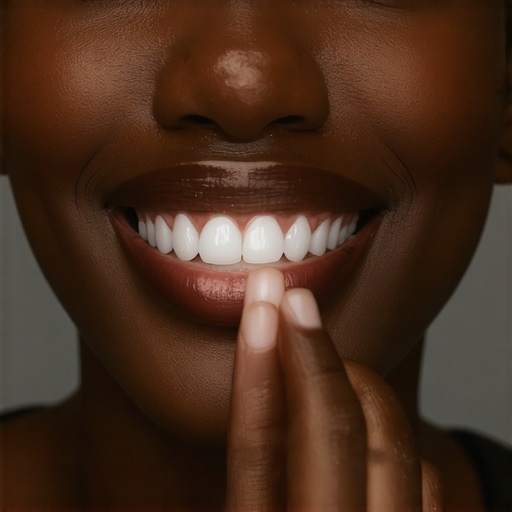
Ever had that moment when you step out of the dentist’s office and feel like you’ve gotten a new set of foreign objects in your mouth? I remember the day I got my dental bridge — it was a mix of relief and immediate discomfort that I didn’t quite expect. At first, I thought, “This feeling will pass in a few days,” but days turned into weeks, and I was still struggling to get used to that strange new sensation. It felt like having a tiny, uninvited alien living in my mouth, constantly reminding me that something had changed.
Why Embracing the New Normal Matters for Your Oral Confidence
Adapting to a dental bridge isn’t just about comfort — it directly impacts your confidence and overall oral health. When I first felt that unfamiliar pressure and tingling, I almost wanted to take it out myself; but I learned that patience and understanding are key. Knowing that many people face this initial adjustment period helps ease the anxiety.
You see, a dental bridge is designed to restore functionality and improve appearance, but it requires your patience to become a natural part of your mouth. Without this adaptation, you might develop new habits that harm your new dental work or even lead to discomfort and soreness. My experience taught me that giving yourself grace during this transition can make all the difference.
Furthermore, understanding the importance of proper care and gradual adjustment can save you from long-term issues. The American Academy of Implant Dentistry emphasizes that patience during the initial healing and adaptation phase leads to better outcomes and longevity of your dental work. So, if you’ve recently received a bridge and find yourself overwhelmed or unsure about how to acclimate, you’re not alone.
Have you faced the challenge of getting used to your new dental restoration? If so, know that you’re not unwinding this journey on your own. Making small, consistent efforts can turn that unfamiliar feeling into a comfortable, confident smile.
In the next section, we’ll explore practical steps that helped me and can help you, too, in embracing your new dental bridge with patience and care.
Start with Gentle Food Choices
During the initial days after getting your crown or dental bridge, opt for soft, easy-to-chew foods like yogurt, mashed potatoes, or smoothies. I remember my first week; I avoided hard nuts or sticky candies, which could dislodge or irritate new dental work. This approach reduces stress on the restoration and minimizes discomfort, easing your mouth into the new setup gradually.
Practice Precise Oral Hygiene Techniques
Brush twice daily with a soft-bristled toothbrush, focusing on gentle, circular motions. Use interdental brushes or floss designed for bridges to clean around the dental prosthetic carefully. I once struggled with flossing around my bridge, but employing a floss threader made it easier, preventing plaque buildup that could cause decay or gum disease. Cleanliness is vital to ensure longevity and prevent complications.
Adjust Your Chewing Habits Wisely
Chewing evenly on both sides helps distribute pressure, avoiding unnecessary strain on your new crown or bridge. I noticed that favoring one side caused soreness; consciously switching sides reduced this issue. Think of your mouth like a balanced workout—distribute effort evenly to prevent stress fractures or loosening of your dental work.
Monitor Sensitivity and Discomfort
Some sensitivity is normal initially, akin to a new pair of shoes feeling tight. Use desensitizing toothpaste and avoid extremely hot or cold beverages temporarily. I experienced minor pain when switching from ice-cold water to hot coffee, but this subsided within a week. If discomfort persists beyond a few days, consult your dentist to rule out underlying issues.
Schedule Regular Checkups
Consistent dental visits serve as maintenance check-ins—think of them as routine tune-ups for your smile. During my follow-up appointment, my dentist examined the fit of the crown, ensuring there were no gaps or spaces where bacteria could thrive. Regular inspections prevent small problems from escalating into major repairs, prolonging the lifespan of your dental restorations. Explore other modern techniques such as Invisalign innovations or crowns that can further improve your oral health journey.
Embrace Patience and Consistency
Adjusting to dental restorations isn’t instantaneous; it’s like breaking in a new pair of shoes—they become comfortable over time. My initial efforts to avoid certain foods and habits paid off, resulting in a smooth transition. Remember, every small step adds up to a healthier, more confident smile. Incorporate these methods daily, and you’ll find yourself adapting more comfortably to your new dental landscape.
Many people believe that Invisalign is just a cosmetic solution, but what often gets overlooked are the nuanced factors affecting its success, such as bite dynamics and patient compliance. Likewise, there’s a widespread myth that regular brushing alone suffices for comprehensive oral health; in reality, techniques like interdental cleaning are crucial to prevent periodontal issues. When it comes to crowns, many assume all materials offer the same durability; however, selection relies heavily on deliberate choices tailored to functional needs, which can be explored in detail in our article on crowns for a healthier smile.
A common misconception in family dentistry is that children can wait until their teeth are visibly problematic before visiting the dentist. In truth, early preventive visits are essential to monitor development and catch issues before they escalate. Moreover, some believe that all dental issues requiring crowns need invasive procedures, but advancements in technology include minimally invasive options that preserve more of your natural tooth structure.
Debunking Invisalign myths reveals that many think it causes more oral discomfort than traditional braces, but proper patient education shows that discomfort can often be minimized with regular adjustments and good hygiene.
### What About Hidden Pitfalls in Oral Care?
The real challenge lies in recognizing the subtler aspects of oral health that don’t seem urgent but can profoundly impact long-term results. For example, many overlook the importance of evaluating how bite forces affect crown longevity or Invisalign tracking, which can be a silent contributor to treatment failure. Studies like those summarized in the top oral health tips highlight that a comprehensive approach ensures sustainable results.
### Don’t Fall Into These Traps
One trap is relying solely on over-the-counter products without professional guidance, risking reinforcing bad habits or overlooking underlying issues. Another is neglecting the importance of regular checkups; many think their daily routine is enough, but without professional assessments, minor problems can silently worsen.
### Advanced Insight: How Do Bite Dynamics Impact Crown Success?
For those seeking a deeper understanding, bite force distribution and occlusion play significant roles in the longevity of crowns and Invisalign treatments. Improper alignment can lead to uneven wear or failure, which underscores the need for precise assessment before selecting or adjusting restorative solutions. Experts recommend integrating occlusal analysis into treatment planning to optimize outcomes—a nuance often missed by laypeople. You can explore this topic further in choosing the right crown or in articles on crown benefits.
Have you ever fallen into this trap? Let me know in the comments.Maintaining your oral health and the longevity of treatments like crowns and Invisalign requires more than just daily brushing. Investing in the right tools can make a significant difference over time. One of my personal favorites is an ultrasonic plaque remover — I particularly recommend the Waterpik Sonic-Fusion Professional because it combines water flossing with a power toothbrush in one device. This synergy effectively disrupts plaque buildup and reduces gum inflammation, which is vital for preserving crowns and ensuring Invisalign trays fit perfectly. Regularly using such a device helps prevent complications like periodontal disease, especially in hard-to-reach areas around crowns or beneath Invisalign attachments.
What steps can I take to keep my dental restorations working seamlessly?
Daily routines should include a soft, ergonomic toothbrush like the Philips Sonicare ProtectiveClean, which employs sonic technology for superior plaque removal without damaging sensitive gums or crowns. I use it because its gentle yet thorough cleaning minimizes wear on restorative surfaces. Incorporating interdental brushes like TePe’s or floss threaders tailored for bridge and crown cleaning ensures that food debris and plaque do not accumulate under the restoration, preventing decay and recession. These tools are especially important as they reach areas traditional brushing might miss, helping preserve the structure of your restorations. the latest family dentistry trends.
Don’t forget: consistency is key. Try integrating a high-quality ultrasonic flosser into your routine today and experience how it transforms your maintenance habits. Small investments now can save you from expensive dental repairs in the future and keep your smile bright and healthy well into old age.
When I first received my dental crown, I was surprised by the subtle adjustments needed for a seamless smile. Through my journey, I discovered lessons that aren’t always obvious from the start, especially when navigating the world of family dentistry and restorative work.
Lessons That Transformed My Approach to Oral Health
- Patience Is a Virtue: Rushing the adaptation process can lead to discomfort. Taking time to get used to new dental work makes a significant difference in long-term comfort.
- Personalized Care Matters: Every smile responds differently. Seeking tailored advice from your dentist ensures your unique needs are addressed, preventing future issues.
- Consistent Maintenance Trumps Quick Fixes: Regular checkups and diligent oral hygiene safeguard your investment in dental restorations, proving that prevention is better than correction.
Tools and Resources That Elevate Your Smile Care
- Top oral health tips: A comprehensive guide to maintaining your smile’s brilliance and health in daily routines.
- Choosing the right crown: Insights into selecting durable materials and skilled providers for lasting results.
- Family dentistry trends: Stay updated on innovations that make maintaining family oral health easier and more effective.
Your Path to a Radiant Smile Begins Today
Embrace the journey of oral health with confidence, knowing that every small step—be it choosing the right tools or scheduling regular visits—contributes to a healthier, happier smile. Your commitment today shapes the bright future of your oral well-being. Remember, your smile is one of the most powerful expressions of your overall health and confidence.
What has been your biggest challenge in adjusting to your dental restorations? Share your experience below—I’d love to hear your story and offer support!