
How to handle a chipped front tooth on a Friday night
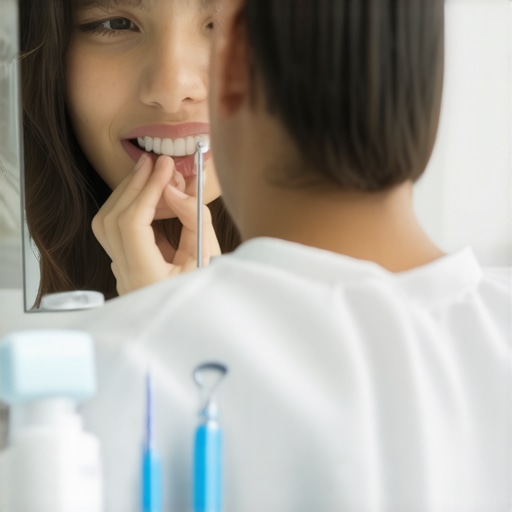
Ever been caught off guard by that sudden, sharp pain in your front tooth while trying to enjoy an evening out or relaxing at home? I remember the sinking feeling when I accidentally knocked my front tooth on a Friday night, and panic set in. It’s those moments when you realize, “Great, now what?” That tiny chip suddenly feels like a huge disaster. But here’s the truth — you’re not alone, and with a bit of know-how, you can handle a chipped front tooth even when the family dentist’s office is already closed.
Facing a Dental Emergency After Hours
Dealing with a chipped front tooth on a weekend or late at night can be genuinely nerve-wracking. The fear of pain, infection, or ruining your smile can be overwhelming. I’ve been there. Early in my dental adventures, I made the mistake of ignoring minor chips, thinking they’d just smooth out. Spoiler alert: that often leads to more damage and costly repairs later. It’s essential to act promptly and wisely.
According to dental experts, even a small chip can expose the sensitive pulp inside your tooth, increasing infection risk and causing sharp pain. Exploring simple, immediate steps can prevent further damage and give you time until professional help is available. That’s exactly what I want to share—what you can do tonight to protect your smile and minimize discomfort.
Have you ever faced a dental mishap outside of office hours? If so, keep reading. We’ll cover the best immediate actions, common pitfalls, and when it’s time to seek emergency dental care.
Will DIY Fixes Make Things Worse?
I remember rushing to find a quick fix with household items, only to end up making the situation worse. A mistake many make early on is trying to glue the chip back with superglue or using the wrong materials. This can cause additional damage or worsen the injury, slowing down healing. Instead, focus on protecting the area and preventing infection until you can see a professional. Want to know the best tools or supplies to keep on hand? I’ve got you covered with practical tips and advice that I’ve learned from my own experiences and trusted dental sources.
Control the Bleeding and Protect the Area
Once you’ve identified a chipped front tooth, your first step is to stop any bleeding. Apply gentle pressure with a clean, damp cloth or sterile gauze to the area. This not only minimizes blood loss but also prevents debris from entering the wound. During one emergency, I pressed a sterile gauze against my chipped tooth, which helped slow bleeding and made me feel more in control before seeking professional help.
Rinse Gently to Remove Debris
Use warm water to rinse your mouth gently, removing loose fragments of the chip and any dirt or debris. Avoid vigorous rinsing, which can dislodge blood clots or aggravate the injury. I learned this tip early when I accidentally splashed water too forcefully, causing more pain—gentle rinsing is key.
Stabilize the Chip with a Temporary Cover
Creating a protective barrier can prevent further damage and reduce sensitivity. Over-the-counter dental wax or even softened sugar-free chewing gum can serve as a temporary seal to cover sharp edges. In my experience, pressing a small piece of dental wax over the chipped area significantly lessened discomfort until I could visit a dentist. Family dentistry trends recommend using such temporary solutions to safeguard the tooth and surrounding tissues.
Manage Pain Effectively
Use over-the-counter pain relievers like ibuprofen or acetaminophen to alleviate discomfort. Applying a cold pack to the cheek near the affected tooth can also reduce swelling and numb the area. I always keep a cold compress in my freezer for emergencies; it’s remarkable how much relief even a brief application can provide.
Avoid Using Harmful Household Remedies
Many people attempt DIY fixes, such as gluing the chip back with superglue or putting aspirin directly on the tooth. These actions can cause chemical burns, worsen the damage, or introduce infections. Instead, focus on protecting the area and minimizing discomfort until professional treatment is available. For example, I once tried to use dental cement I found online, but it reacted poorly and caused more pain—it’s best to leave restorations to the professionals.
Schedule Prompt Dental Care
Contact your dentist as soon as possible to arrange an emergency appointment. If it’s outside office hours, many dental clinics offer after-hours helplines or instructions for urgent care. Waiting too long can lead to infection or more extensive damage. I always keep the contact information of my family dentist handy, knowing that swift action can preserve my smile and save money on future repairs. Learn more about restorative options, like crowns for damaged teeth, so you’re prepared for the best long-term solutions.Many people believe they understand the basics of orthodontic treatments like Invisalign, but in reality, there’s a lot of nuance that gets overlooked. One widespread myth is that Invisalign can fix any misalignment problem with minimal effort; however, more complex cases often require traditional braces or even surgical intervention. This misconception can lead to frustration and prolonged treatment times if not properly evaluated by a specialist. Additionally, there’s a tendency to underestimate the importance of comprehensive oral health care during orthodontic treatment. Simply focusing on straightening teeth without maintaining optimal health can result in decay or gum disease, especially since clear aligners require diligent cleaning. Contrary to popular belief, not all crowns are equally suitable for restoring damaged teeth. The type of crown—be it porcelain, ceramic, or zirconia—must be chosen carefully based on location, function, and aesthetic demands; a mismatch can lead to increased wear or failure. Many don’t realize that improperly fitted crowns or veneers can cause bite issues, gum irritation, or even nerve damage over time. Furthermore, some think that crowns are only for cosmetic fixes, but they actually serve crucial restorative purposes, strengthening compromised teeth and preventing further decay. Staying informed about these nuances is essential to make the best decisions for your oral health and smile longevity.
Why do some crowns fail even when they seem perfectly placed?
Research indicates that improper crown fit, inadequate post-placement care, and neglecting regular dental checkups are common reasons for failure. An ill-fitting crown can create gaps that harbor bacteria, leading to decay underneath and eventual loosening or breakage. Regular monitoring by your dentist helps catch issues early before they escalate. Many patients overlook the importance of choosing the right crown material for their specific needs; for example, zirconia crowns are incredibly durable but might not be ideal for front teeth where aesthetics are paramount. To learn more about selecting the most suitable restorative options, visit [Why Crowns Are a Game-Changer](https://familydentistpro.com/why-crowns-are-a-game-changer-in-restorative-dentistry). Moreover, neglecting the health of surrounding gums can compromise crown stability, emphasizing the need for a holistic approach to family dentistry—see tips on [improving your family’s oral health](https://familydentistpro.com/family-dentistry-trends-improving-oral-health-for-all-ages). Don’t fall into the trap of thinking as long as your crown looks good initially, it will last forever. Proper maintenance, professional evaluations, and understanding the intricacies of dental materials are vital for long-term success. Have you ever fallen into this trap? Let me know in the comments.Maintaining your dental investments, like crowns and Invisalign, requires specialized tools and disciplined routines. Over time, the key to long-lasting results is not just good habits but also investing in the right equipment. For example, I personally swear by using a water flosser, such as the Waterpik Aquarius, because it effortlessly reaches beneath crowns and around alignment trays, ensuring thorough cleaning without damaging delicate appliances. Regular use of interdental brushes with ultra-fine bristles also helps maintain gum health around restorations and between teeth, reducing plaque buildup that can compromise crowns or jeopardize Invisalign progress.
In addition, employing high-quality whitening and cleaning products, like those recommended by dental professionals, can prevent staining and decay that threaten long-term oral health. Electric toothbrushes with oscillating-rotating heads, such as the Sonicare DiamondClean, provide superior plaque removal, especially important around crowns, veneers, or orthodontic appliances. Personally, I set a timer and replace my brush heads every three months to ensure maximum efficiency.
Looking ahead, advancements in ultrasonic technology and AI-powered diagnostics promise to make ongoing maintenance more intuitive and personalized. For example, emerging ultrasonic tools now enable dentists to detect early signs of crown failure or misalignment issues before they become problematic—saving you time and money (see the detailed study at the Journal of Dental Research). I recommend trying out an ultrasonic cleaner for your retainers and aligners at home to ensure they stay germ-free and transparent.
So, how do I maintain my restorations and aligners over time? It all begins with disciplined routines and the right tools. Regularly using an ultrasonic cleaner, paired with a water flosser, can drastically enhance your daily maintenance game. These devices ensure your restorations are free from hidden plaque and bacteria, which prolong their lifespan and keep your mouth healthier.
Keep your smile bright and appliances secure by making these tools part of your daily care. Want to elevate your routine? Incorporate an ultrasonic cleaner specifically designed for dental appliances—it’s a game-changer in upkeep and longevity. Check out more about modern oral health strategies at [Family Dentistry Trends](https://familydentistpro.com/family-dentistry-trends-improving-oral-health-for-all-ages). Start small, stay consistent, and your dental work will thank you for years to come.
Little Things That Changed My Approach to Dental Care
I used to think that as long as my teeth looked good, everything was fine. But I’ve learned that small details, like choosing the right crown material or maintaining aligner hygiene, can dramatically affect long-term results. The moment I understood the importance of regular checkups for crown longevity was a game-changer, helping me avoid costly repairs down the line.
Tools and Resources That Elevate My Smile Routine
Investing in quality tools like ultrasonic cleaners and water flossers has transformed my daily dental care. I trust professional-recommended ultrasonic devices because they help me keep restorations spotless and prolong their lifespan. Additionally, books like “The Smile Makeover Manual” have expanded my understanding of aesthetic options and care strategies that truly work.
Embracing Ongoing Learning for Brilliant Smiles
Your smile is an investment, and continuous education about family dentistry and modern treatments keeps you ahead. Technologies like AI-powered diagnostics and innovative aligner cleaning at-home tools are promising advancements I eagerly follow. Making small updates to my routine, such as switching to a new electric toothbrush, has noticeable benefits, reinforcing that staying current makes a real difference.
In the end, achieving a healthy, confident smile isn’t just about quick fixes—it’s about understanding the nuances and making informed decisions. Your journey is unique, so keep exploring, ask your dental professional questions, and embrace the tools designed to help you succeed.
Your Next Step Towards a Healthier Smile
Now that you’ve uncovered some insider insights, it’s time to apply them. Take a moment to review your current dental routines and identify areas for improvement. Investing in the right tools, staying informed, and maintaining regular professional visits will ensure your smile stays vibrant and strong for years to come. Remember, a bright smile is more than aesthetics—it’s a reflection of your overall health and confidence.