
How to handle a sudden lost filling at work
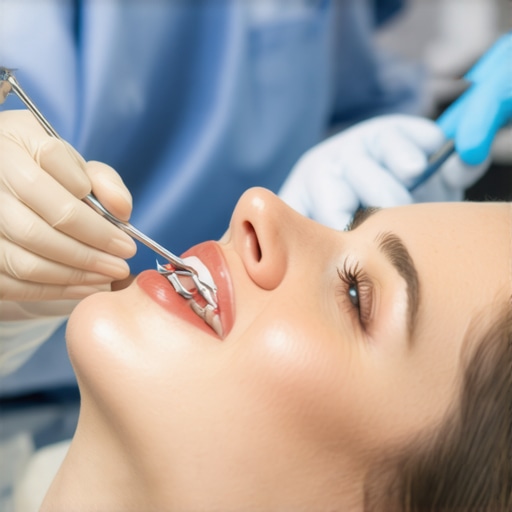
It was just another busy Tuesday morning when I felt that sudden, sharp pain while sipping my coffee. My tooth — that seemingly innocent molar — decided to betray me, bustling with a sharp jolt of discomfort. Turns out, my filling had given up the ghost right in the middle of a hectic workday. Talk about a wake-up call! Many of us think dental emergencies like this only happen during off-hours or in the dentist’s chair, but the truth is, they can strike unexpectedly—even during a crucial meeting or a packed workday.
Handling a Lost Filling at Work: The Immediate Steps
When that unexpected fall-out happens, it’s easy to feel panicked or helpless. But here’s the thing: knowing what to do right now can turn a DIY disaster into a manageable situation. First, don’t ignore the pain or leave the area exposed. An open cavity can lead to further decay or even infections if not addressed promptly. Instead, try to stay calm, and if possible, gather the lost filling or take a clear picture for your dentist. Over-the-counter pain relievers can help manage discomfort temporarily, but avoid using too much and never put aspirin directly on your gum or tooth.
And here’s a quick tip—keep a small dental repair kit in your glove box or desk drawer. These kits contain temporary filling materials that can buy you some time until you see your dentist. Remember, it’s essential to schedule an appointment as soon as possible, especially if the loss of the filling exposes sensitive dentin or causes persistent pain.
But here’s where many folks, including myself early on, stumble. The mistake of trying to
Secure the Area and Gently Clean the Site
First, stay calm and prevent further damage. If you’ve lost a filling or experienced a chipped tooth, rinse your mouth with warm water to clear debris.
Use a soft cloth or gauze to gently remove any blood or loose particles. Think of this step as cleaning a delicate piece of jewelry before repair; cleanliness is key to prevent infection and facilitate future treatment.
Preserve the Lost Filling or Fragment
If you find the missing piece, handle it carefully with clean tweezers or gloves. Place it in a small container filled with milk or saliva—these preserve the material better than plain water. In my own experience, collecting the fragment saved my dentist valuable time during the repair appointment, and it sometimes allows for reattachment.
Apply Temporary Relief and Protect Exposed Dentin
If the cavity or damage exposes sensitive dentin, apply a temporary filling material from your dental repair kit. Squeeze a small amount into the cavity, molding it gently with a toothpick to seal the area. This acts like a patch on a leaky pipe, providing a barrier that reduces sensitivity and bacterial intrusion until you reach your dentist.
Manage Pain and Swelling
Over-the-counter pain relievers such as ibuprofen can help, but avoid aspirin directly on your gums or teeth as it can worsen bleeding and irritation. Use a cold compress on your cheek for 10-15 minutes to reduce swelling and numb discomfort. The cold acts like applying ice to a sprained ankle—it’s a straightforward way to control inflammation and pain.
Schedule Immediate Dental Care
Contact your dentist as soon as possible. Explain the situation clearly; urgency matters. Many dental issues, like a lost crown or filling, can be temporarily managed but require professional intervention for long-term stability. I once called my dentist and was advised to come in within 24 hours—they promptly replaced my lost filling, preventing further decay.
Be Ready with a Dental First Aid Kit
Having a kit in your desk or car can streamline response efforts. Include temporarily filling materials, gauze, tweezers, and pain relief medications. This preparation minimizes panic and allows for swift action. Think of it as a toolkit for small miracles—your quick fix keeps you comfortable until professional help is available.
Many patients assume they fully understand dental restorations and treatments, but as an expert, I’ve seen common misconceptions that can hinder optimal care. One prevalent myth is that dental crowns are only for aesthetic purposes—while they indeed improve appearance, their primary role is to restore tooth strength and function after decay or damage. Contrary to popular belief, not all crowns are created equal; material choice impacts longevity and compatibility, so consult your dentist about options like porcelain-fused-to-metal versus all-ceramic crowns.
Why do some patients believe Invisalign and braces are interchangeable and which suits your orthodontic needs better?
In my experience, many overlook that Invisalign excels for discreet, minor corrections, but complex alignments or bite issues may require traditional braces. A recent study by the American Association of Orthodontists highlights that treatment complexity influences the choice—so don’t fall for one-size-fits-all solutions. Understanding this nuance ensures you don’t waste time and money on ineffective options. Moreover, some assume that family dentistry is only about cleanings—however, integrating advanced techniques like digital scans and laser therapy enhances preventive care and early intervention. This proactive approach reduces the risk of future restorative needs. Beware the trap of undervaluing the importance of personalized oral health plans; a generic routine may overlook specific risks like acid erosion or gum recession. Staying informed about the latest trends and technologies empowers you to make better decisions for your family’s dental wellbeing. Remember that each treatment modality has its intricacies—whether it’s choosing the right crown material, understanding the limitations of Invisalign, or leveraging modern family dental practices. Engage with your dental professional to tailor a plan that fits your unique needs, rather than relying solely on popular myths or assumptions. Good knowledge doesn’t just prevent dental emergencies—it fosters confidence in maintaining a healthy, radiant smile for life. Have you ever fallen into this trap? Let me know in the comments.Maintaining your dental crowns, Invisalign trays, and overall oral health requires specific tools and practices that can help extend their lifespan and keep your smile bright. One of my top recommendations is investing in a high-quality ultrasonic toothbrush, such as the Oral-B Genius series. These devices use oscillating-rotating technology combined with pulsation to effectively remove plaque without damaging sensitive restorations like crowns or veneers. I personally prefer models with a timer and pressure sensor to prevent over-brushing, which can lead to deterioration of bonding interfaces. Regular flossing is essential, but with the advent of interdental brushes like TePe’s Soft Picks, cleaning around crowns and braces becomes much more efficient and gentle. These tools fit precisely between teeth and around restorations, ensuring no food debris or plaque buildup escapes. Additionally, consider using a water flosser—like the Waterpik Ultra—especially if you have crowns or implants. The pulsating water can dislodge particles from hard-to-reach areas, reducing the risk of decay at margin edges. Proper storage of Invisalign trays is another aspect often overlooked. I recommend cleaning trays with a dedicated denture or retainer cleaner like Efferdent Daily Cleanser, which eliminates bacteria and prevents cloudiness. For long-term results, I rely on a magnifying mirror and good lighting to monitor the condition of restorations periodically. Staying vigilant prevents minor issues from escalating into costly repairs. Looking ahead, advancements in technology, such as AI-powered monitoring apps, are likely to play an increasing role in at-home oral health maintenance, providing real-time feedback on brushing and flossing techniques. Recent studies, like those referenced in the *Journal of Dental Research*, confirm that such innovations significantly improve adherence and outcomes. If you’re serious about keeping your restorations performing well, I encourage you to incorporate a water flosser into your daily routine—it’s a game-changer for effective cleaning around crowns and implants. Want to see a difference? Try integrating this tool today and notice how much easier it becomes to maintain your oral health between dental visits. For more tips on modern dental techniques, explore our detailed guide on family dentistry trends, where we talk about integrating technology for better results.
Over the years, I’ve realized that the most valuable insights often come from unexpected moments—like a lost filling during a busy workday or a quick visit to fix a chipped tooth. One secret I’ve uncovered is that every dental mishap is a chance to learn something deeper about how best to maintain our smiles and avoid future emergencies. The first lesson: a small problem, like a loose crown or a misplaced filling, isn’t just a one-time fix—it’s part of an ongoing conversation with your dental team about preserving your oral health for the long haul.
Another key takeaway: technology is transforming family dentistry in ways that most patients don’t realize. Digital scans, laser treatments, and even AI-powered monitoring now offer proactive solutions, allowing us to catch issues before they become painful or costly. Embracing these tools can make a world of difference, especially when it comes to Invisalign and crowns, where precision and material choice are critical to outcomes. Knowing which innovations to trust and when to ask your dentist about their latest tech can empower you to make smarter decisions for your family.
My final insight is that prevention isn’t just about brushing and flossing—it’s about understanding the nuances of your oral health. For example, choosing the right crown material or understanding the real capabilities of Invisalign can prevent frustration and enhance results. As someone deeply invested in family dentistry, I’ve seen firsthand how tailored strategies, rather than generic routines, lead to healthier, happier smiles. So, take your time to ask questions, stay informed, and don’t hesitate to explore new options that can revolutionize your dental care journey.